Global Armored Vehicles and Military Trucks by Country 2025
Armored Vehicles and Trucks by Country in 2025
As we look at the global landscape of military operations in 2025, armored vehicles and trucks have become essential assets for countries around the world. They are not just tools for combat; they serve various roles from logistics to direct engagement in warfare. This article explores the types of armored military vehicles by nation, highlights the features that set them apart, and compares their design and operational capabilities.
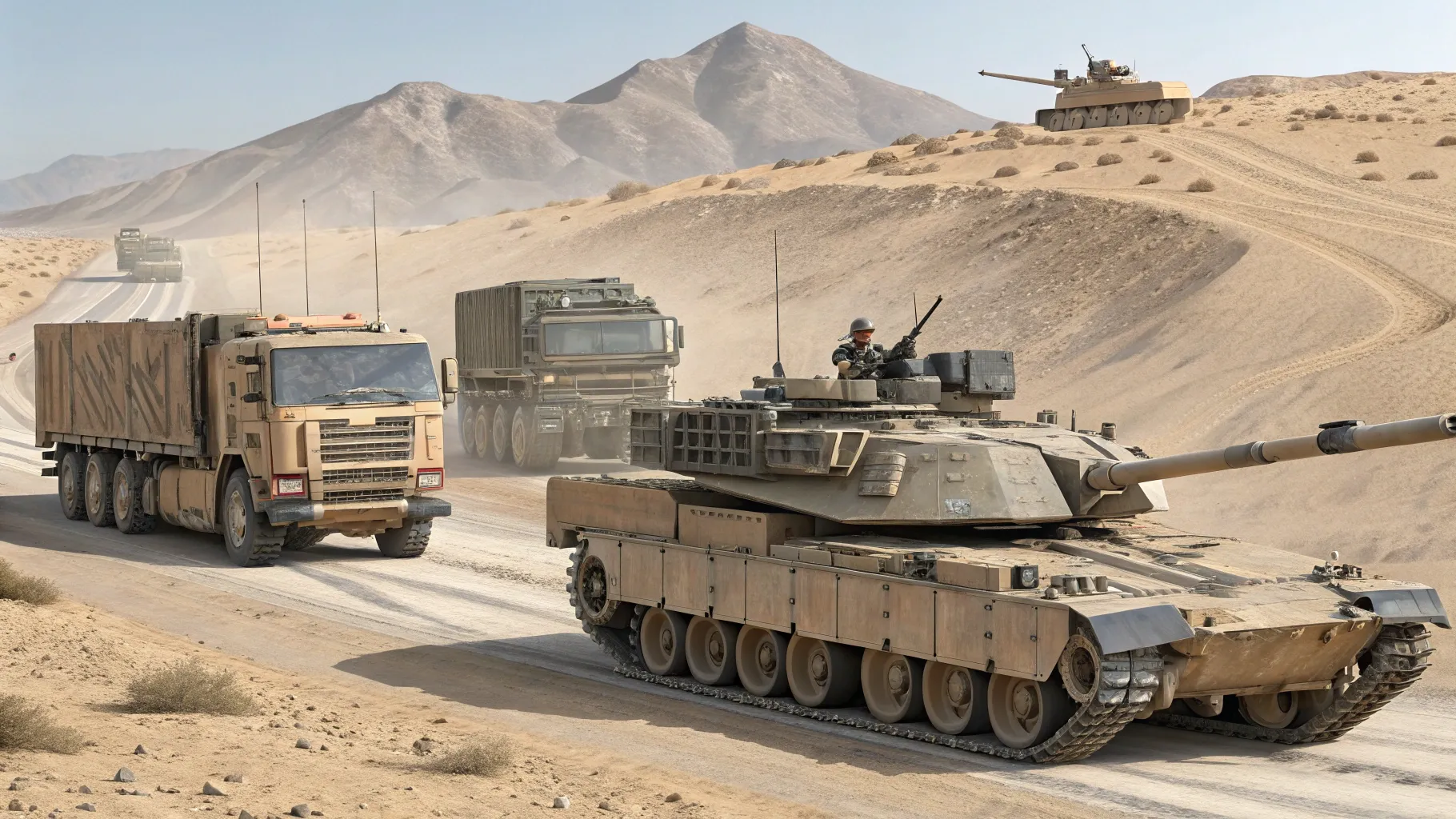
List of Armored Military Vehicles by Nation
Across the globe, countries are investing in and upgrading their fleets of armored vehicles to enhance their military readiness. Here are some notable examples of armored vehicles by key nations:
- United States: The U.S. military operates a range of armored vehicles, including the M1 Abrams tank, known for its powerful weaponry and advanced armor. The Army has also been expanding its fleet of MRAPs (Mine-Resistant Ambush Protected vehicles) to provide better protection for troops.
- Russia: Russia's T-14 Armata represents a significant leap in tank design with its unmanned turret and high-tech systems. The BTR-82A armored personnel carrier provides versatility across various terrains.
- China: China’s Type 99A tank is among the most advanced, featuring modern electronics and combat capabilities. The WZ-551 armored vehicle is a common sight in the People’s Liberation Army, adapted for various support roles.
- Israel: Known for its innovative military technology, Israel’s Merkava tank is designed for infantry support, equipped with state-of-the-art protection against modern threats.
- United Kingdom: The British Army focuses on the Challenger 2, a key battle tank fitted with advanced battlefield communication systems and armor.
Each of these vehicles is tailored to meet the specific military and tactical needs of their respective countries, reflecting advancements in technology and battle strategies.
Types of Military Trucks Used Worldwide
Military trucks play a vital role in logistics and transportation, supporting various operations. Here’s a rundown of some popular types currently used by different nations:
- Logistics Trucks: The Oshkosh FMTV (Family of Medium Tactical Vehicles) is used by the U.S. for transporting troops and equipment. The UK utilizes the MAN SV, designed for rugged terrain and versatility.
- Heavy Transporters: Vehicles like the Volvo FMX and MAN TGS are commonly employed for their ability to carry heavy loads across demanding landscapes.
- Armored Transports: Countries like South Africa deploy the SAPD (South African Police Service) armored trucks for troop transport in high-risk areas.
- Fuel and Water Trucks: The U.S. and other militaries operate specialized trucks for transporting fuel and water, crucial for sustaining operations in the field.
These trucks not only enhance mobility but also ensure that logistical chains are maintained even in challenging conditions.
Comparison of Armored Vehicles Across Countries
When comparing armored vehicles, factors such as firepower, protection, and mobility come into play. For instance, the M1 Abrams from the U.S. stands out for its exceptional firepower paired with impressive armor, making it one of the strongest battle tanks globally. In contrast, the Russian T-90 is lighter and designed for mobility, focusing on speed and tactical flexibility.
Modern trends show that nations are increasingly emphasizing technology integration within their armored vehicles. Advances in digital warfare systems, sensor arrays, and automation are common themes across many countries. The integration of artificial intelligence is expected to revolutionize the battlefield further, enhancing decision-making speed and effectiveness.
Features of Armored Vehicles by Country
Each country's armored vehicles are distinguished by specific features tailored to their operational philosophy. For example, Israeli vehicles often reflect their need for rapid responses to threats, incorporating high mobility and protective measures against IEDs (Improvised Explosive Devices). Meanwhile, countries like Russia are focusing on creating vehicles capable of sustaining severe combat conditions, evidenced by their heavy usage of composite armor materials that increase durability without significantly adding weight.
Beyond traditional features, there’s a growing focus on modular design, allowing military forces to adapt vehicles for various missions without the need for entirely different models.
Costs of Armored Vehicles Worldwide
The cost of producing and maintaining armored vehicles varies significantly by country. On average, modern tanks like the U.S. M1 Abrams can cost around $8 million per unit, while lighter armored vehicles tend to cost between $1 million to $3 million, depending on their specifications. Countries are continually seeking ways to optimize costs while ensuring high standards of functionality and protection.
In recent times, nations have turned to defense partnerships and collaborations to share research, ultimately lowering costs while maintaining cutting-edge standards. This has led to increased joint ventures and shared technologies that expedite the development of next-generation armored vehicles.
Trends in Military Trucks and Armored Vehicles
In 2025, the trend leans towards enhanced mobility, increased automation, and improved battlefield connectivity. Countries are actively seeking to implement unmanned and autonomous capabilities within their armored fleets. Enhanced surveillance systems, drones, and weapons management are becoming integral components in modern military vehicles. These advancements not only promote safety for personnel but also pave the way for a more strategic approach to combat scenarios.
Furthermore, eco-friendliness is becoming a pivotal concern, with some nations exploring hybrid or electric-powered military trucks to reduce carbon footprints without compromising performance. Experts predict that as environmental considerations rise in importance, we’ll see a shift in how military logistics and operations are conducted globally.
As global conflicts continue, the role of armored vehicles and military trucks will undoubtedly be critical. Countries are focusing on innovation and adaptation fuelled by emerging challenges in modern warfare that redefine existing military doctrines.
Authored by FreshLifeWire team