Glaucoma Surgery for Seniors Costs Options Recovery Guide
Understanding Glaucoma Surgery for Seniors
Glaucoma remains one of the leading causes of blindness for seniors, affecting around 3 million individuals in the United States today. As our eyes age, the risk of developing this debilitating eye condition rises significantly. It is paramount for those diagnosed to be aware of the surgical options available, costs involved, and recovery processes. This guide will dive into essential information regarding various surgeries for glaucoma including trabeculectomy, minimally invasive glaucoma surgeries (MIGS), and more, all tailored to help you or your loved ones make informed choices.
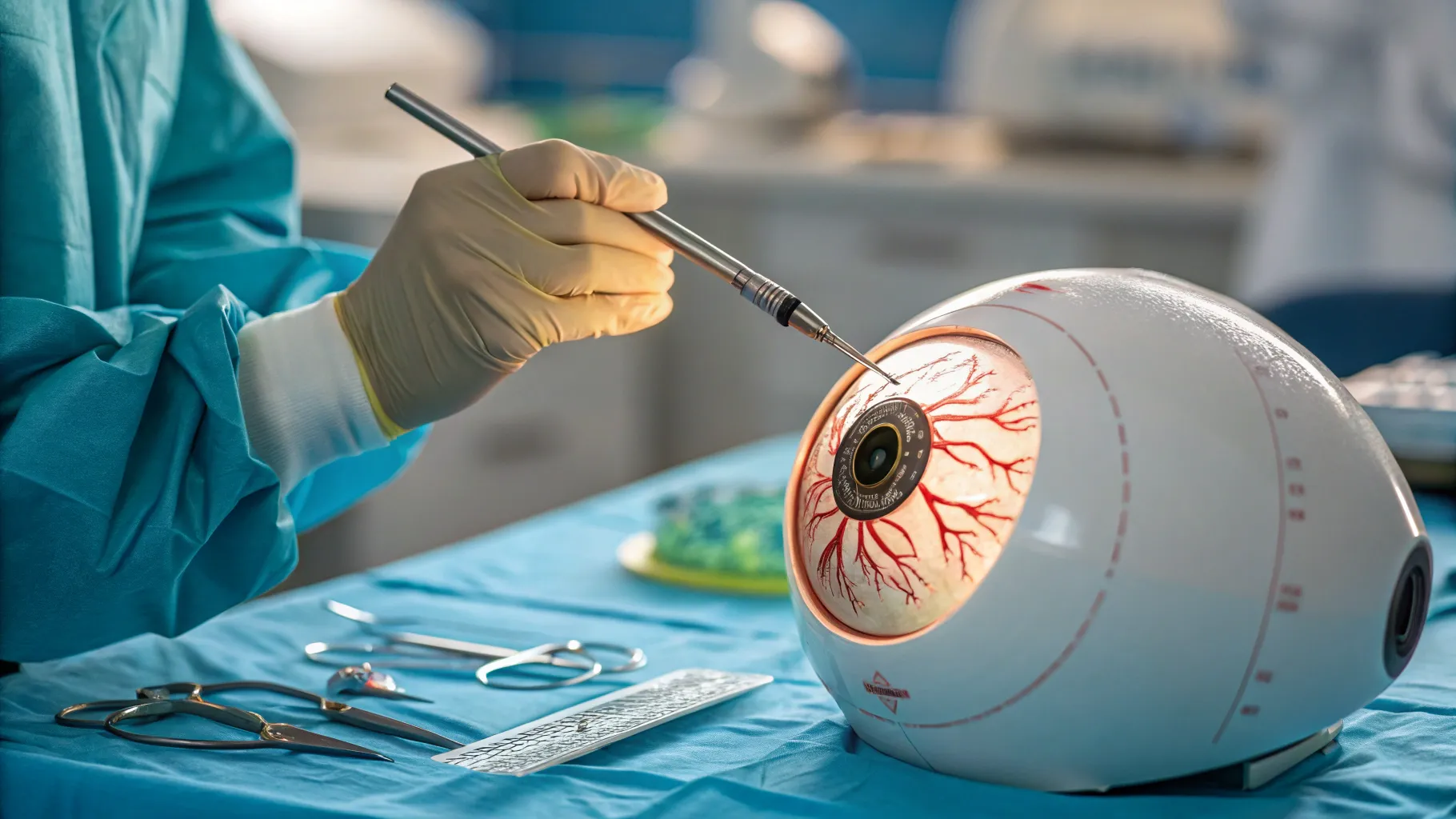
Types of Glaucoma Surgery and Their Costs
Understanding the available surgical options for glaucoma is crucial for managing this condition effectively. Glaucoma surgeries range from traditional procedures to newer, less invasive alternatives. The cost of these surgeries varies significantly, influenced by factors such as the specific procedure, the healthcare facility, and insurance coverage. Below are some of the prevalent surgical options along with their estimated costs:
Trabeculectomy
Trabeculectomy has long been regarded as a standard surgical solution for glaucoma. The surgery involves creating a new drainage pathway for intraocular fluid, thereby reducing pressure within the eye. Seniors can expect the average cost for this procedure to be around $4,000 to $8,000 for each eye, which can be daunting. Thankfully, Medicare plans often cover a significant portion of this expense, making it a more manageable option for seniors.
Minimally Invasive Glaucoma Surgery (MIGS)
For those seeking less invasive alternatives, MIGS has become an increasingly popular choice. These surgeries involve smaller incisions and generally come with reduced recovery times and less postoperative pain. MIGS procedures typically range in cost from $1,500 to $5,000. Popular techniques within MIGS include the iStent and Hydrus Implant, both designed to enhance the drainage of fluid from the eye, making them especially appealing for patients with additional health concerns.
Laser Treatments
Laser therapies for glaucoma include options like laser iridotomy and selective laser trabeculoplasty (SLT). Laser iridotomy involves creating a tiny hole in the outer edge of the iris, relieving intraocular pressure. The expense associated with this procedure is approximately $1,000 to $3,000 per eye. In contrast, SLT, which utilizes gentle laser energy to facilitate better fluid drainage, costs between $750 to $2,500. Both procedures are typically covered under Medicare, making them accessible for elderly patients.
Drainage Tube Insertion
For patients diagnosed with advanced glaucoma, drainage tube insertion may be recommended. This procedure involves placing a tube into the eye to bypass blocked drainage pathways. The cost for this surgical option tends to be around $5,000 to $10,000, depending on factors such as complexity and necessary follow-up care.
Examining Medicare Coverage for Glaucoma Surgery
One significant concern for seniors considering surgical intervention is understanding the financial implications, particularly how much of the cost Medicare will cover. Fortunately, Medicare is generally very accommodating when these surgeries are categorized as medically necessary. It’s crucial for patients to consult with their ophthalmologists to discuss their individual cases, determine the recommendations, and understand their potential out-of-pocket expenses.
Recovery Time After Glaucoma Surgery
After undergoing glaucoma surgery, recovery times can vary significantly based on the type of procedure performed. Here's what you can typically expect:
- Trabeculectomy: Recovery may span several weeks, during which patients are advised to avoid heavy lifting or strenuous activities. Many patients begin to notice improvements in their vision within a few weeks.
- MIGS: This newer approach generally allows for quicker recovery, with many patients returning to their daily routines within just a few days.
- Laser Iridotomy: Often, recovery from this type of laser procedure is quite rapid, with many individuals resuming normal activities the same day.
- Drainage Tube Insertion: Patients can expect a recovery period of weeks, and it's often recommended they avoid vigorous activities for at least a month following the procedure.
What to Expect After Glaucoma Surgery
Postoperative experiences can vary from person to person. Common sensations include minor discomfort, which may manifest as mild pain or blurred vision. Physicians typically prescribe medications to manage pain and mitigate inflammation. During this recovery phase, many find it beneficial to have family or friends lend support, particularly during the early days following surgery. Regular follow-up appointments with ophthalmologists are essential to monitor recovery progress and ensure intraocular pressure remains at safe levels.
Every individual’s recovery experience is different; therefore, maintaining communication with healthcare providers and strictly adhering to prescribed medication schedules can foster a smoother recovery.
Personalizing Your Choices for Glaucoma Surgery
Choosing the right surgical intervention for glaucoma is a highly personal decision influenced by individual health status, the severity of the condition, and lifestyle factors. Engaging in thorough discussions with healthcare providers is vital to tailor the best treatment path. New advancements in glaucoma surgery technology pave the way for improved outcomes and a better quality of life for seniors facing this condition. By being proactive and informed, patients can embrace a brighter future, optimizing their chances of maintaining healthy vision for years ahead.
Authored by FreshLifeWire team