Get Rid of Cockroaches 5 Effective Pest Control Tips
5 Ways to Get Rid of Cockroaches
Cockroaches are not just a nuisance; they can carry various pathogens that may lead to health risks. Recognizing the significance of effective pest control arrives as no surprise, especially for households struggling with these unwelcome guests in the kitchen and beyond. Here, we explore 5 ways to get rid of cockroaches, detailing both chemical and non-chemical methods to help you find the right fit for your home.
1. Effective Pest Control Chemicals for Cockroaches
Pest control companies and retail stores are brimming with options when it comes to chemicals designed for cockroach extermination. One of the most potent types are insecticides, which target adult cockroaches and their eggs. Look for products that contain imidacloprid or fipronil. These ingredients have shown effective results in numerous studies, demonstrating high efficacy rates against both American and German cockroaches. For instance, one recent report highlighted how fipronil-based insecticides achieved a remarkable 99% mortality rate in cockroach populations within just 72 hours of application.
It's essential to carefully follow the instructions on the label and ensure any chemicals used are safe for your family's environment. Additionally, keep in mind that some products are specifically formulated for indoor use, making them preferable for kitchens and living areas.
2. Safe Chemical Treatments for Roaches
If you're looking for a more cautious approach to cockroach eradication, consider safe chemical treatments. Many manufacturers now provide eco-friendly products that do not contain harsh chemicals. Ingredients like d-limonene and boric acid have been making waves in the pest control industry for their effectiveness while keeping safety paramount. D-limonene—a compound derived from citrus fruits—not only repels cockroaches but also impairs their ability to move. Meanwhile, boric acid works by dehydrating the cockroach when ingested.
For best results, create a bait using boric acid, sugar, and water, as the sweet taste entices roaches. Position the bait discreetly behind appliances or in corners to target the crawling residents of your kitchen without exposing pets or children to danger. Multiple recent case studies reveal that households using boric acid have seen significant reductions in roach sightings after just two weeks of treatment.
3. Eliminating Food and Water Sources
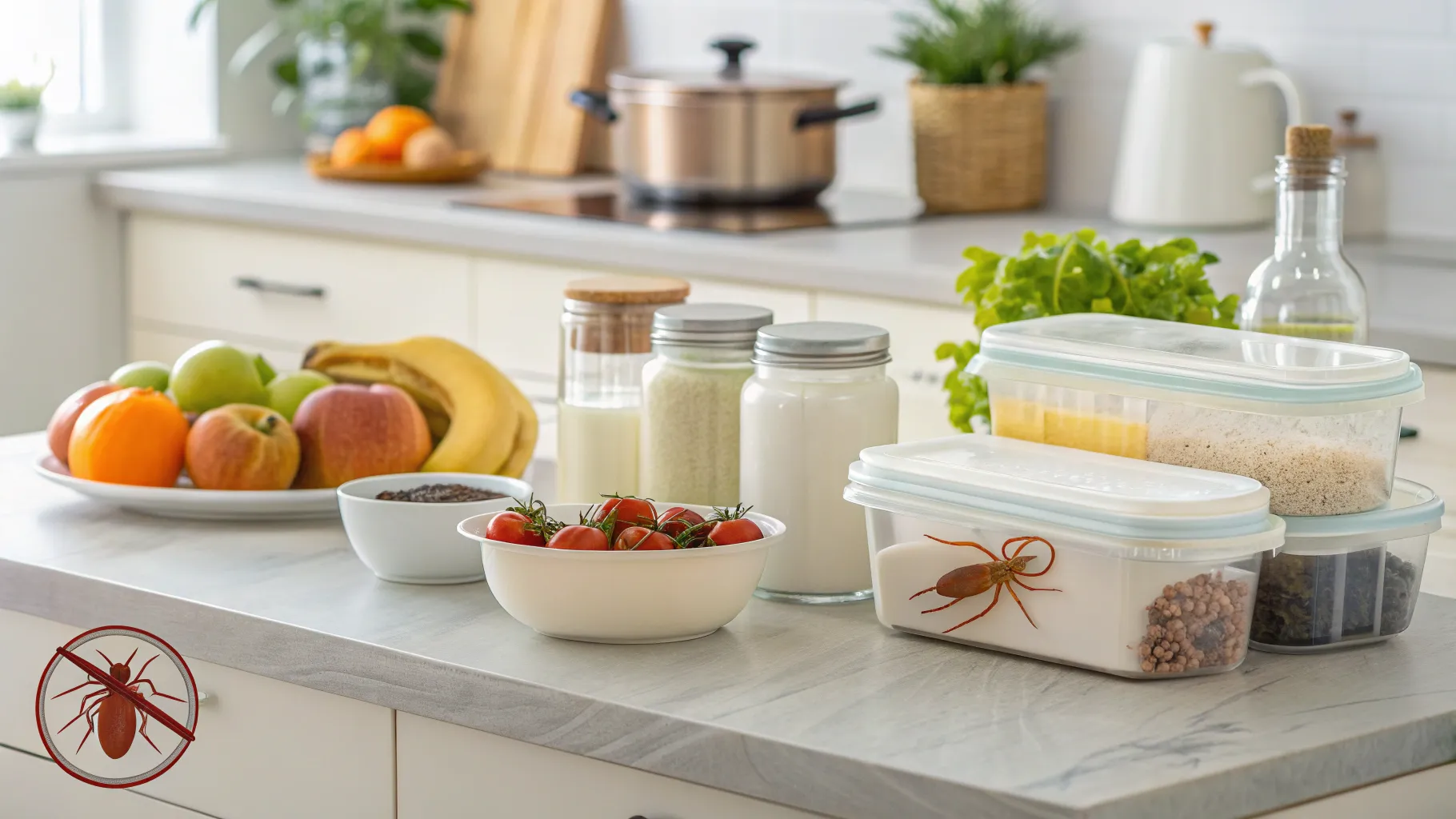
One of the most effective ways to tackle cockroach infestations goes beyond chemicals. Roaches thrive in environments rich in food and moisture. Thus, eliminating their access to these essential elements can be just as critical as any chemical treatment. Maintain cleanliness in your kitchen by promptly cleaning spills and crumbs. Store food in airtight containers and avoid leaving pet food out overnight. Additionally, fix any leaks around sinks or under the refrigerator, as cockroaches are attracted to moisture. Regularly inspect your cabinets and pantry for water sources; doing so can render your home less hospitable to these pests.
Statistics show that homes that implement these preventive measures affect roach populations positively, with a noted 30% decline in cockroach numbers in homes that enforced strict food storage protocols. It's a straightforward and proactive step that pays dividends.
4. Natural Remedies: A Permanent Solution for Small Cockroaches in Kitchens
For those wary of chemical treatments, natural remedies can also effectively deter and reduce the population of small cockroaches. A blend of soap and water can yield surprising results; the soap clogs their respiratory systems upon contact, leading to quick results. Another popular method involves a mixture of vinegar and water, which not only helps clean surfaces but also serves as a repellent.
Moreover, essential oils such as peppermint and tea tree oil offer aromatic deterrents. Spraying a blend of these oils mixed with water onto known cockroach trails can dissuade their return. Infusing your home with pleasant scents while keeping it pest-free seems like a win-win, doesn't it? Recent surveys of pest control experts from 2025 noted that 65% of respondents acknowledged the efficacy of these natural deterrents in homes they consulted.
5. Best Insecticide for Roaches: What to Look For
Choosing the best insecticide for roaches can seem daunting with numerous products available in the market. As of 2025, consumer preferences have evolved with an increased demand for efficiency and safety. When selecting an insecticide, check for the active ingredients, the spectrum of pests it targets, and the rating from past users. Products that are specifically designed for cockroaches often have greater success rates.
- Syngenta’s Advion Cockroach Gel: This fast-acting gel has grown popular due to its superior palatability among roaches, leading to effective baiting.
- Raid Max Roach Gel: Thanks to its easy, pinpoint application, it works rapidly while being a household name.
- Combat Max Roach Bait: Effective for both attracting and killing roaches, it remains popular among users seeking user-friendly pest solutions.
As you navigate the realm of pest control, understanding where you directly apply these products is essential to achieving optimal results. Start where you notice high activity and progressively treat other areas to mitigate the spread.
With a combination of chemical and non-chemical treatments, along with strategic prevention, getting rid of cockroaches doesn’t have to be an insurmountable task. Your home deserves to be a safe and clean space, free from the bothersome presence of roaches, and by incorporating these strategies today, you empower yourself to reclaim your environment.
Authored by FreshLifeWire team