Essential Generator Buying Guide for Home and Outdoor Needs
Generator Buying Guide: How to Choose a Generator for Your Needs
Choosing the right generator can feel overwhelming, especially with the numerous options available today. In 2025, the demand for reliable power sources continues to grow, making understanding your needs more critical than ever. Whether you’re considering a portable generator for outdoor activities or a standby generator to power your entire home during outages, this generator buying guide breaks down essential factors to help you make an informed decision.
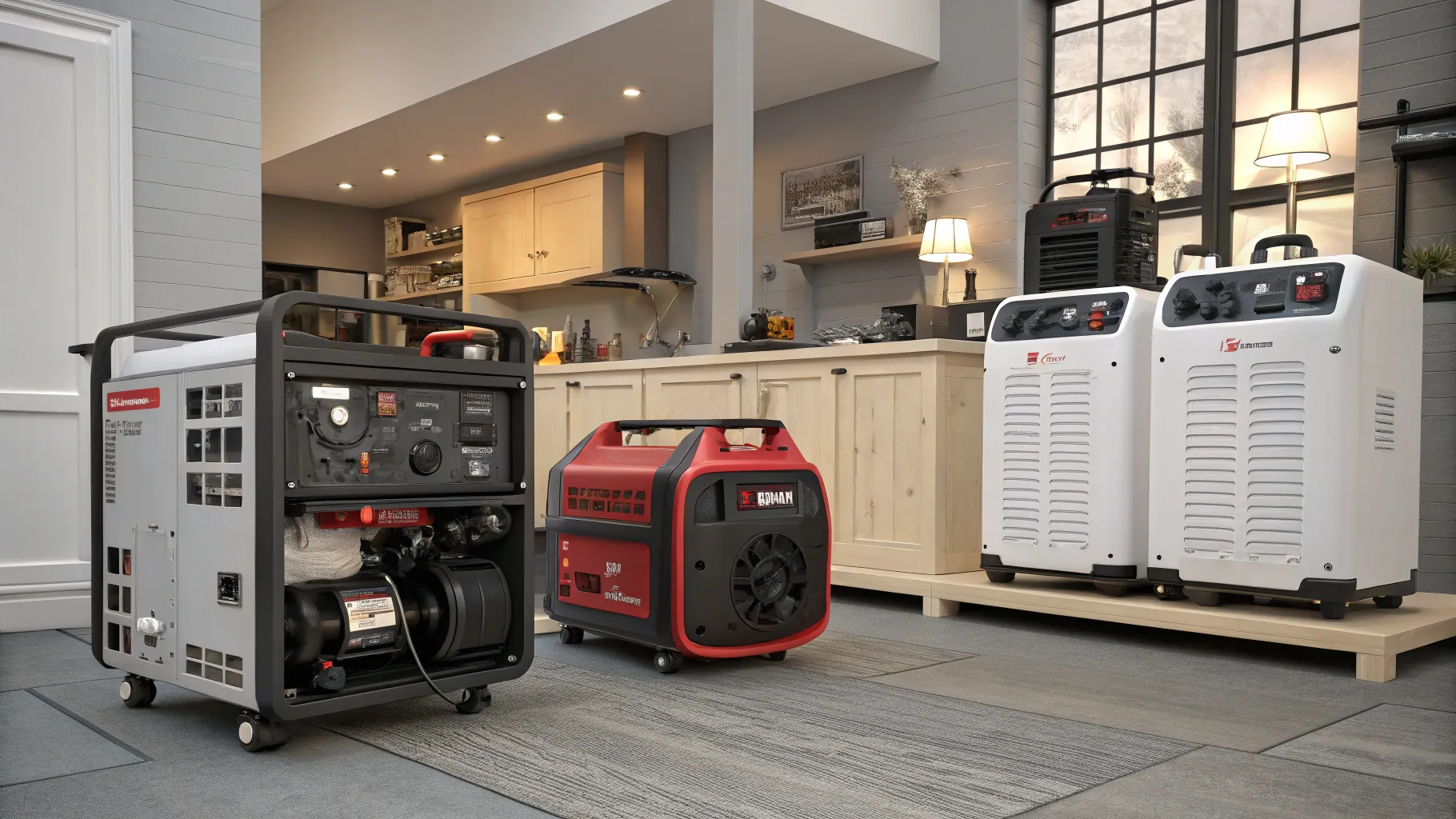
Types of Generators for Home Use
When selecting a generator, it’s essential to first identify the type that best suits your needs. Here are the main types:
- Portable Generators: Perfect for outdoor use and emergencies, portable generators are versatile and easy to transport. They generally come with a variety of outlets, allowing you to power multiple devices.
- Standby Generators: These are permanently installed systems that automatically provide backup power during outages. They can power more appliances and are ideal for homeowners looking for a seamless power solution.
- Inverter Generators: Known for their quiet operation and fuel efficiency, inverter generators produce cleaner energy, making them suitable for sensitive electronic devices.
Whole House Generator Buying Guide
If you want a generator that can provide seamless power to your entire home during an outage, a whole-house generator is an excellent choice. These systems kick in automatically and can run on natural gas or propane, ensuring you have a constant power supply. Recent statistics show that about 40% of homeowners are investing in standby generators as a safety net against power outages, particularly in areas prone to severe storms.
How to Choose Generator Capacity
Determining the required capacity is crucial. You wouldn’t want to invest in a generator that can’t meet your power needs. Here’s how to get it right:
- Calculate Total Wattage: Make a list of all the appliances you wish to power, including refrigerators, HVAC systems, and lights. Add up their running watts and start-up watts to determine the total wattage needed.
- Use a Generator Sizing Guide: Many manufacturers provide sizing guides to help you choose the right model based on your total wattage needs. It’s often recommended to opt for a generator that offers at least 20% more capacity than what you calculate.
Common Mistakes When Buying a Generator
Avoiding pitfalls in the buying process can save you money and ensure you get the right unit for your needs. Here are common mistakes to watch out for:
- Not Considering Fuel Type: Generators run on various fuels, including gasoline, diesel, and propane. Each fuel type has its pros and cons, like availability and economy, so choose wisely.
- Ignoring Noise Levels: If you plan to use your generator in a residential area, consider models branded as "quiet generators." Inverter generators, for example, are often far quieter than conventional units.
- Neglecting Maintenance: A generator requires regular maintenance to ensure reliability. Skipping this can lead to costly repairs or even complete failure when you need it the most.
Outdoor Generator Buying Tips
If you’re looking for a generator for outdoor activities like camping or tailgating, portability, weight, and fuel efficiency are key factors. Many people now prefer inverter generators for these activities because they are lightweight, quiet, and easy to transport. They can power everything from lights to small appliances and usually provide fuel efficiency greater than traditional portable generators.
Generator Brands You Can Trust
When investing in a generator, reliability from the brand can matter greatly. Some of the most reputable brands in 2025 include:
- Honda: Known for its durable and efficient inverter generators.
- Generac: Offers a range of standby generators with excellent automatic operations and power management features.
- Yamaha: Provides reliable portable options that are favored for their consistency and fuel efficiency.
- Champion: Known for innovative designs and reliable performance, particularly in the portable generator market.
Generator Fuel Options and Efficiency
Understanding fuel options is essential. Different fuel types impact not only power generation but also the environment. In 2025, many users opt for propane because it’s cleaner and tends to be more efficient. For those using gasoline generators, regular fuel stabilizers are recommended to prevent degradation and ensure performance over time.
Recent studies indicate that propane generators can be up to 30% more fuel-efficient than gasoline models, which can lead to significant savings on fuel costs, especially during prolonged use.
Generator Safety Tips
The safety of you and your home should always come first. Here are a few critical safety tips to keep in mind:
- Never Operate Indoors: Always run generators outdoors to prevent carbon monoxide poisoning. Make sure there is plenty of ventilation.
- Use Grounding Cables: To prevent electrical shocks and ensure safe operation, use proper grounding techniques when connecting to your home’s electrical system.
- Regularly Inspect for Wear: Before every use, check hoses, cables, and the fuel system for damages to prevent accidents.
By considering all these factors, you’ll be equipped to choose the perfect generator that meets your specific needs. In 2025, generators remain an essential investment for both home and outdoor enthusiasts, providing peace of mind through reliable power options. So take your time, evaluate your situation, and make a decision that will keep your home powered and your adventures powered up.
Authored by FreshLifeWire team