Comprehensive Generator Buying Guide
Generator Buying Guide a Step by Step Approach
In our technology-driven world, home generators have become more crucial than ever. Whether you face a sudden power outage, seek reliable power for outdoor adventures, or need a dependable backup for your entire residence, understanding how to choose the right generator can significantly affect your comfort and safety. This guide is designed to help you confidently navigate through the various generator types features and specifications.
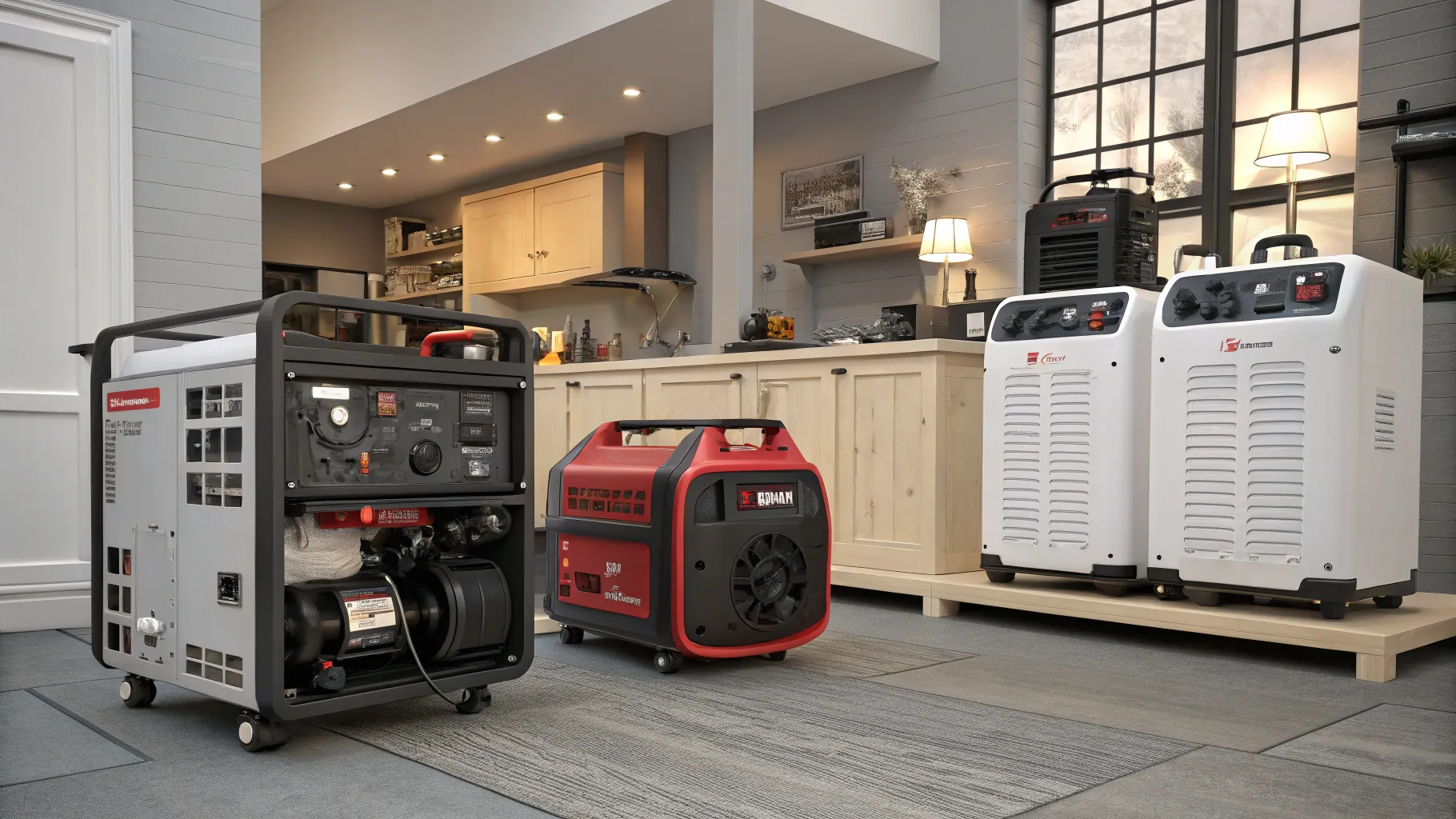
Types of Generators for Home Use
Choosing the right type of generator is fundamental to meeting your specific needs. Below are the most common types of generators available today along with their standout characteristics:
- Portable Generators: These versatile and lightweight generators are ideal for light power requirements such as camping trips or supporting essential appliances during outages. They most often run on gasoline or propane, providing flexibility and ample power for smaller tasks.
- Standby Generators: Perfect for homeowners who desire an automatic solution. Installed permanently, these generators activate within seconds of a power outage, ensuring a seamless supply of power. They are generally larger, often using natural gas or propane, and are an excellent investment for whole-house backup.
- Inverter Generators: If you need a solution that combines fuel efficiency with a lower noise profile, inverter generators are your best bet. They produce clean energy suitable for delicate electronics like laptops and TVs, making them perfect for recreational activities and family outings.
How to Choose Generator Capacity
Determining your generator's capacity is vital for an efficient power supply. Understanding the wattage requirements for your home is the first step in selecting the right size. Every generator provides two wattage ratings: the starting (or surge) wattage and the running wattage.
To gauge the capacity you need, follow these steps:
- List Essential Appliances: Identify which appliances are critical during an outage, such as your refrigerator, heating or cooling systems, and lights.
- Check Appliance Wattages: Examine the wattage ratings of each appliance; note that motors often require additional power when starting.
- Add Up Your Needs: Sum the running wattages and add a buffer of around 20% to account for unexpected demands or future additions.
Generator Brands and Models
When looking for reliable generators, brand reputation plays an essential role. As of 2025, several manufacturers have established themselves as leaders in the generator market:
- Honda: Primarily known for their quiet inverter generators, Honda remains a staple in the portable generator category, appreciated for durability and efficiency.
- Generac: A renowned name in standby generators, Generac provides a range of models that boast automatic activation and reliability during power outages.
- Champion: Known for affordability and power, Champion offers a diverse range of both portable and standby generators catering to different budgets and power needs.
Generator Fuel Options
Fuel source is another vital consideration when buying a generator. Familiarize yourself with the various fuel options and evaluate their availability and costs based on your location. Here are the most common fuels:
- Gasoline: Often used in portable generators, gasoline is widely available but has a shorter shelf life, so it's essential to rotate your supply regularly.
- Propane: Popular in dual-fuel generators, propane is advantageous due to its long shelf life and cleaner burning, resulting in lower emissions.
- Natural Gas: Commonly found in standby generators, using natural gas is convenient for homes with an existing gas line, offering a constant supply without the need for refueling.
Fuel Efficiency and Environmental Impact
In 2025, fuel efficiency is a significant concern for consumers. Generators equipped with inverter technology cleverly adjust engine speed according to load, which not only conserves fuel but also minimizes emissions. As environmental awareness grows, opting for generators with lower emissions standards and renewable fuel capabilities like biodiesel is increasingly appealing.
Additionally, consider the noise output of your generator. Many modern units feature quiet operation technologies, making them suitable for residential settings where noise could disturb neighbors. Look for models listed as quiet generators that operate at reduced decibel levels, ensuring you can enjoy uninterrupted power without disturbing your peace.
Common Mistakes When Buying a Generator
When navigating the generator buying process, homeowners frequently encounter pitfalls. Here are common mistakes to sidestep:
- Undersizing: Underestimating your power needs can lead to a generator that simply does not suffice during outages or outdoor events.
- Ignoring Noise Levels: Failure to consider noise outputs can turn your generator into an unwelcome disturbance, particularly in suburban neighborhoods.
- Overlooking Safety Features: Always ensure your generator is equipped with vital safety features such as automatic low oil shutoff and overload protection to enhance safety during operation.
Outdoor Generator Buying Tips
If you plan on using a generator for outdoor activities like camping or tailgating, portability is paramount. Look for lightweight generators with strong handles and straightforward setup processes. Battery-operated generators have surged in popularity, as they tend to be quieter and require less maintenance, making them perfect companions for those peaceful escapes into nature.
Safety is critical when using a generator outdoors. Be sure to follow basic protocols: operate your generator outdoors to prevent carbon monoxide buildup, use appropriate extension cords that can handle the generator's wattage, and place the unit on a stable surface to avoid fuel spills.
By diligently following this guide, assessing your unique requirements, and conducting thorough research, you can confidently select the right generator. A well-informed choice will maximize reliability, enhance safety, and offer peace of mind when facing power interruptions or enjoying outdoor activities.
Authored by FreshLifeWire team