Gel Injections for Knees: The Ultimate Guide to Non Surgical Knee Pain Relief
Facts:
- Viscosupplementation has been FDA-approved since 1997.
- A rising trend for non-invasive options fuels interest in gel injections for knee relief.
Understanding Viscosupplementation for Chronic Knee Discomfort
When chronic knee pain, often caused by osteoarthritis, begins to impede daily activities, many individuals seek effective solutions that don't involve major surgery. This is where gel injections for knee pain, also known as viscosupplementation, come into play as a premier non surgical knee treatment. This procedure involves injecting a gel-like substance called hyaluronic acid directly into the knee joint. Hyaluronic acid is a naturally occurring molecule in the synovial fluid that lubricates and cushions the joint, allowing for smooth, pain-free movement. In osteoarthritic knees, this fluid thins and loses its efficacy. These injections aim to replenish the joint's natural lubricant, thereby reducing pain, improving mobility, and potentially delaying the need for more invasive procedures. It has become one of the most sought-after alternatives to knee replacement for suitable candidates seeking lasting knee pain relief.
How Do Hyaluronic Acid Knee Injections Work?
The science behind hyaluronic acid knee injections is centered on restoring the natural biomechanics of the knee joint. The injected substance mimics the properties of healthy synovial fluid. Its primary functions are to act as a lubricant, reducing friction between the cartilage surfaces of the femur and tibia, and as a shock absorber, cushioning the joint during weight-bearing activities like walking or running. Beyond its mechanical effects, hyaluronic acid may also have anti-inflammatory properties and can stimulate the body's own production of this vital substance. The treatment typically involves a series of one to five injections, spaced one week apart, depending on the specific product used. This gradual introduction allows the joint to adapt and begin reaping the benefits, leading to sustained knee pain relief for many months. This approach offers a targeted non surgical knee treatment that directly addresses the root cause of osteoarthritic pain.
Who is an Ideal Candidate for This Non Surgical Knee Treatment?
Determining candidacy for gel injections for knee pain involves a thorough evaluation by a healthcare professional. Generally, the ideal candidate is someone experiencing mild to moderate osteoarthritis knee pain who has not found sufficient relief from more conservative treatments. These first-line treatments often include lifestyle modifications, physical therapy, and over-the-counter pain relievers like NSAIDs. Patients who are trying to postpone or avoid surgery are prime candidates for this non surgical knee treatment. It is also an excellent option for individuals who cannot undergo surgery due to other health conditions. Conversely, it may not be suitable for those with severe, bone-on-bone arthritis, active knee infections, or certain allergies. A proper diagnosis, often involving imaging like X-rays, is crucial to confirm that hyaluronic acid knee injections are the right path forward among the various alternatives to knee replacement.
Comparing Gel Injections to Other Alternatives to Knee Replacement
When exploring alternatives to knee replacement, it's important to understand where gel injections fit. Corticosteroid injections are another common option, offering powerful, rapid anti-inflammatory effects and fast knee pain relief. However, their benefits are often short-lived, and repeated use can potentially damage cartilage. In contrast, hyaluronic acid knee injections provide more gradual but longer-lasting relief by restoring lubrication rather than just suppressing inflammation. Platelet-Rich Plasma (PRP) therapy is another contender, using the patient's own blood components to promote healing, but it is often considered investigational and may not be covered by insurance. Physical therapy remains a cornerstone of any non surgical knee treatment plan, strengthening surrounding muscles to support the joint. Gel injections can be highly effective when used in conjunction with physical therapy, creating a comprehensive approach to managing knee pain without immediate recourse to surgery.
What to Expect: The Procedure and Recovery
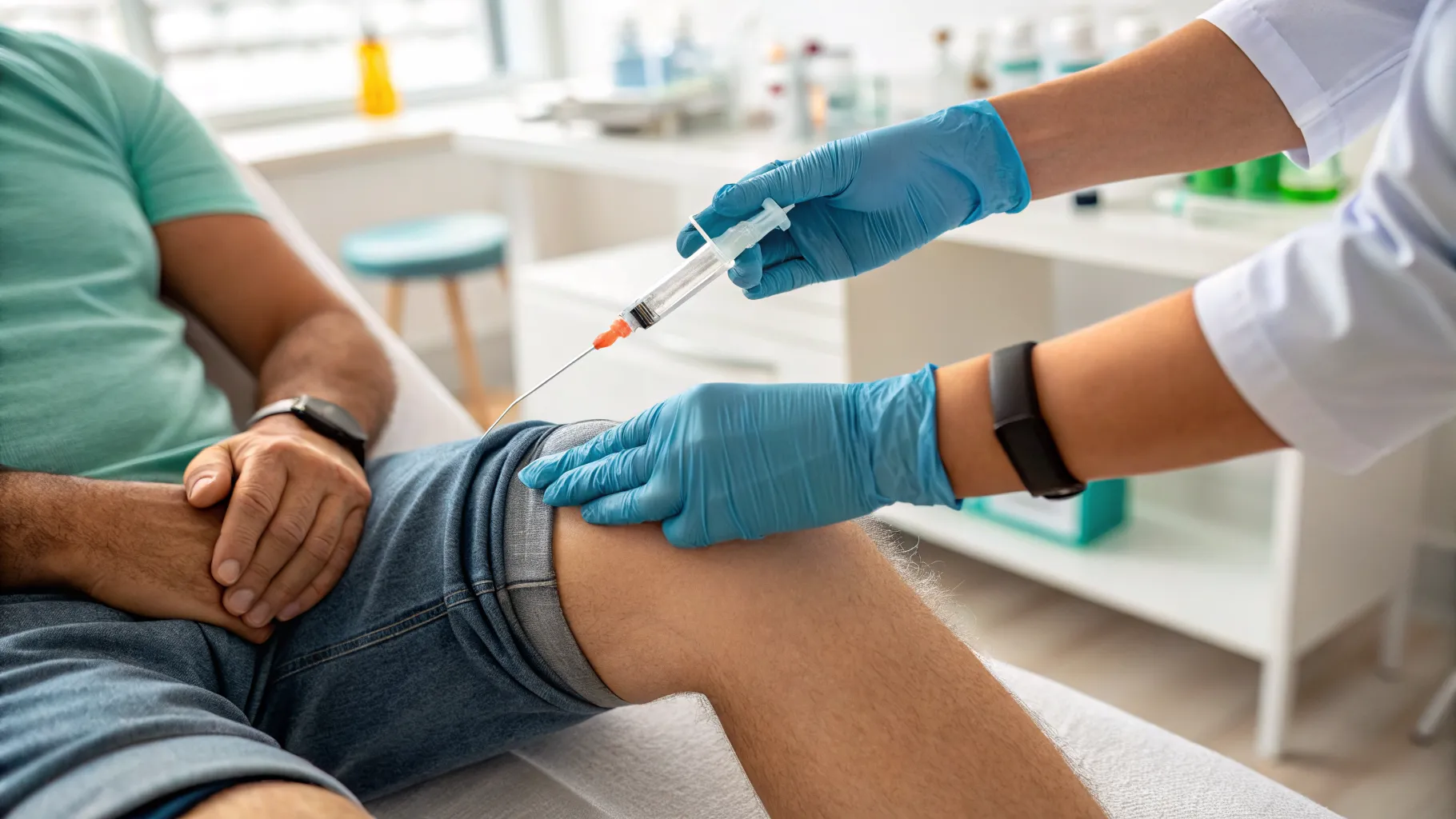
Undergoing a course of gel injections for knee is a relatively straightforward outpatient procedure. Here is a step-by-step guide to what you can typically expect, ensuring you are well-prepared for this effective method of knee pain relief.
- Preparation: The area around your knee will be thoroughly cleaned with an antiseptic. A local anesthetic may be applied or injected to numb the area and minimize discomfort during the procedure.
- The Injection: If there is excess fluid in your knee (an effusion), the doctor may aspirate it first with a needle and syringe. Using a new needle, the hyaluronic acid gel is then carefully injected directly into the joint space. Ultrasound guidance is often used to ensure precise placement.
- Post-Procedure Care: After the injection, you will be advised to avoid strenuous activities, such as jogging or heavy lifting, for about 48 hours to allow the gel to settle within the joint.
- Recovery and Results: It's common to experience some mild pain, swelling, or warmth at the injection site, which usually subsides quickly. Unlike steroid shots, the relief from hyaluronic acid knee injections is not immediate. It may take several weeks for the full benefits to become apparent as the substance integrates with the synovial fluid.
Frequently Asked Questions
How long does the knee pain relief from gel injections last?
The duration of knee pain relief from gel injections for knee can vary significantly among individuals. However, most patients experience relief for approximately six months. Some studies have shown benefits lasting up to a year, making it a durable non surgical knee treatment.
Are hyaluronic acid knee injections painful?
Most patients report minimal discomfort. A local anesthetic is typically used to numb the skin before the injection. You might feel some pressure as the gel enters the joint space, but severe pain is uncommon. Post-injection soreness is usually mild and temporary.
Is this treatment covered by insurance?
In many cases, hyaluronic acid knee injections are covered by Medicare and most private insurance plans, especially for patients with documented osteoarthritis who have not responded to other conservative treatments. It is always best to check with your specific insurance provider for coverage details.
Can gel injections be repeated?
Yes, if the initial course of injections was successful in providing knee pain relief, the treatment can typically be repeated after six months. This makes it a viable long-term management strategy and one of the most sustainable alternatives to knee replacement.
References
- Journal of Bone and Joint Surgery
- American Academy of Orthopaedic Surgeons (AAOS) Guidelines
- Osteoarthritis and Cartilage Journal
- Clinical studies on Viscosupplementation
Authored by FreshLifeWire team