Top Gardening Trends for Sustainable Weed Control in the US
Facts:
- Over 80% of US gardeners now prefer organic methods.
- Mulching is a top trend for sustainable weed control.
Embracing a Greener Approach to Garden Maintenance
In recent years, a significant shift has occurred among American gardeners, moving away from harsh chemical solutions towards more holistic and earth-friendly practices. This movement is at the heart of eco-friendly gardening, a philosophy that prioritizes the health of the soil, local ecosystems, and the gardeners themselves. The demand for effective organic weed removal techniques has never been higher, as homeowners seek ways to maintain beautiful landscapes without compromising environmental integrity. These emerging Gardening Trends for Sustainable Weed Control in the US are not just fads; they represent a fundamental change in how we interact with our green spaces, focusing on long-term health and balance rather than short-term fixes.
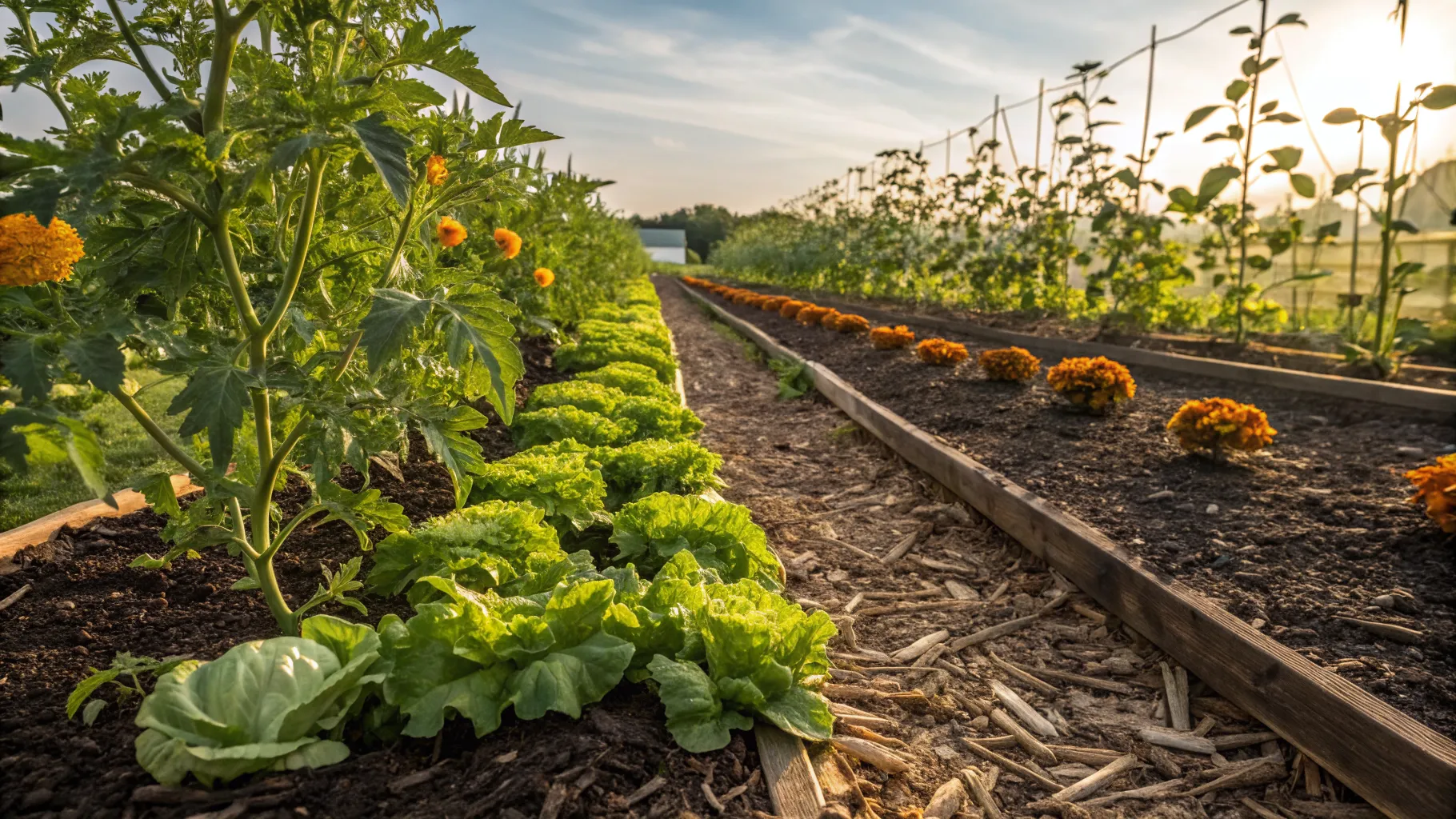
Leading Gardening Trends for Sustainable Weed Control in the US
As gardeners become more environmentally conscious, innovative and time-tested methods for managing weeds are gaining popularity. These approaches focus on preventing weeds before they start and managing them without synthetic herbicides. This focus on proactive and natural weed prevention is changing the landscape of home gardening, making it more sustainable and rewarding. Let's explore the top trends defining the future of weed management.
Advanced Mulching Techniques (Sheet Mulching)
While mulching is not a new concept, modern approaches like sheet mulching, or lasagna gardening, are transformative for sustainable weed control. This method involves layering organic materials like cardboard, newspaper, compost, and wood chips directly onto the ground. This thick barrier effectively smothers existing weeds and prevents new seeds from germinating by blocking sunlight. Over time, these layers decompose, enriching the soil with organic matter and improving its structure. This is a cornerstone of eco-friendly gardening, as it not only controls weeds but also builds a healthier foundation for plants to thrive, reducing the need for fertilizers and excessive watering.
The Rise of Soil Solarization and Occultation
For gardeners dealing with particularly stubborn or widespread weed infestations, solarization and occultation offer powerful, chemical-free solutions. Solarization involves covering moist soil with a clear plastic sheet for 4-6 weeks during the hottest part of summer. The sun's heat gets trapped, raising soil temperatures high enough to kill weed seeds, pathogens, and nematodes. Occultation works similarly but uses an opaque black tarp to block all light, preventing photosynthesis and starving weeds. Both methods are highly effective forms of organic weed removal and are perfect for preparing new garden beds for planting, ensuring a clean slate for your desired flora.
Bio-Herbicides and Horticultural Vinegar
The market for plant-based herbicides is expanding, offering gardeners effective alternatives to synthetic chemicals. These products often use ingredients like corn gluten meal, which inhibits seed germination, or essential oils that act as contact herbicides. Horticultural vinegar, with its higher acetic acid concentration, is another popular tool for organic weed removal. It works by burning the top growth of weeds. While it may require repeat applications for perennial weeds, it provides a quick, biodegradable solution for managing unwanted plants in paths and driveways, aligning perfectly with green gardening tips for a healthier yard.
Strategic Use of Cover Crops and Living Mulches
One of the most effective Gardening Trends for Sustainable Weed Control in the US is the principle of never leaving soil bare. Cover crops like clover, vetch, or buckwheat are planted during off-seasons to cover the soil. They outcompete weeds for light, water, and nutrients, and many can be tilled back into the soil, adding valuable nitrogen. Similarly, living mulches—low-growing groundcovers planted around taller plants—create a dense mat that suppresses weeds during the growing season. This strategy is a prime example of natural weed prevention, creating a self-sustaining system that requires less manual labor over time.
Actionable Green Gardening Tips for Your Yard
Implementing a strategy for sustainable weed control is achievable for any gardener. It's about working with nature, not against it. By adopting a few key practices, you can significantly reduce weed pressure and create a more resilient, low-maintenance garden. The following green gardening tips are practical steps you can take to foster a healthier garden ecosystem where weeds struggle to gain a foothold.
- Improve Soil Health: Healthy, well-structured soil gives your desired plants a competitive advantage over weeds. Regularly amend your soil with compost and organic matter to boost fertility and create a robust environment where garden plants can thrive and naturally crowd out intruders. This is a foundational principle of eco-friendly gardening.
- Plant Densely: Space your plants according to their mature size to create a dense canopy of foliage. This natural shade will block sunlight from reaching the soil, inhibiting the germination of many weed seeds. This living mulch is a highly effective method of natural weed prevention.
- Water Wisely: Use drip irrigation or soaker hoses to deliver water directly to the base of your plants. By avoiding overhead sprinklers that water indiscriminately, you deny water to weed seeds in the surrounding bare soil, making it harder for them to establish themselves.
- Embrace Manual Weeding: While it sounds simple, regular, and timely hand-pulling or hoeing is a cornerstone of organic weed removal. The key is to remove weeds when they are small and before they set seed. A sharp hoe used to slice weeds just below the soil surface is a quick and effective tool for this task.
Frequently Asked Questions
What is the most effective method for sustainable weed control?
The most effective method for sustainable weed control is an integrated approach that combines several techniques. Starting with a thick layer of organic mulch is foundational for preventing germination. Combining this with dense planting and targeted watering creates an environment where weeds struggle. For existing problems, manual removal or the use of horticultural vinegar can be very effective.
Is organic weed removal as effective as chemical herbicides?
Yes, organic weed removal can be just as effective, though it often requires more persistence and a different strategy. While chemicals offer a quick kill, organic methods focus on long-term prevention and soil health. Techniques like sheet mulching and soil solarization can completely clear a garden bed more permanently than a single spray of herbicide, which often allows weeds to return.
How does eco-friendly gardening help with weed prevention?
Eco-friendly gardening promotes a balanced ecosystem. Healthy, biologically active soil enables your plants to grow strong and outcompete weeds. By avoiding broad-spectrum chemicals, you protect beneficial insects and soil microorganisms that contribute to a resilient garden. It’s a holistic approach where natural weed prevention is a byproduct of overall garden health.
Can I use household vinegar for weeding?
Household vinegar (typically 5% acetic acid) can work on very small, young weeds but is often not strong enough for established ones. Horticultural vinegar (10-20% acetic acid) is much more effective. Always use caution, wear protective gear, and avoid spraying it on your desired plants as it is a non-selective plant killer.
References
- US Department of Agriculture - Organic Gardening Practices
- The National Gardening Association Journal
- Ecological Soil Management Studies
- Modern Horticulture Trends Report
Authored by FreshLifeWire team