From Ruins to Reality: A Guide to Restoring Abandoned Houses into Dream Homes
Facts:
- Over 1 million homes in the US are currently vacant.
- A rising trend in sustainable renovation for eco-conscious home buyers.
The Blueprint for Transforming Neglect into a Masterpiece
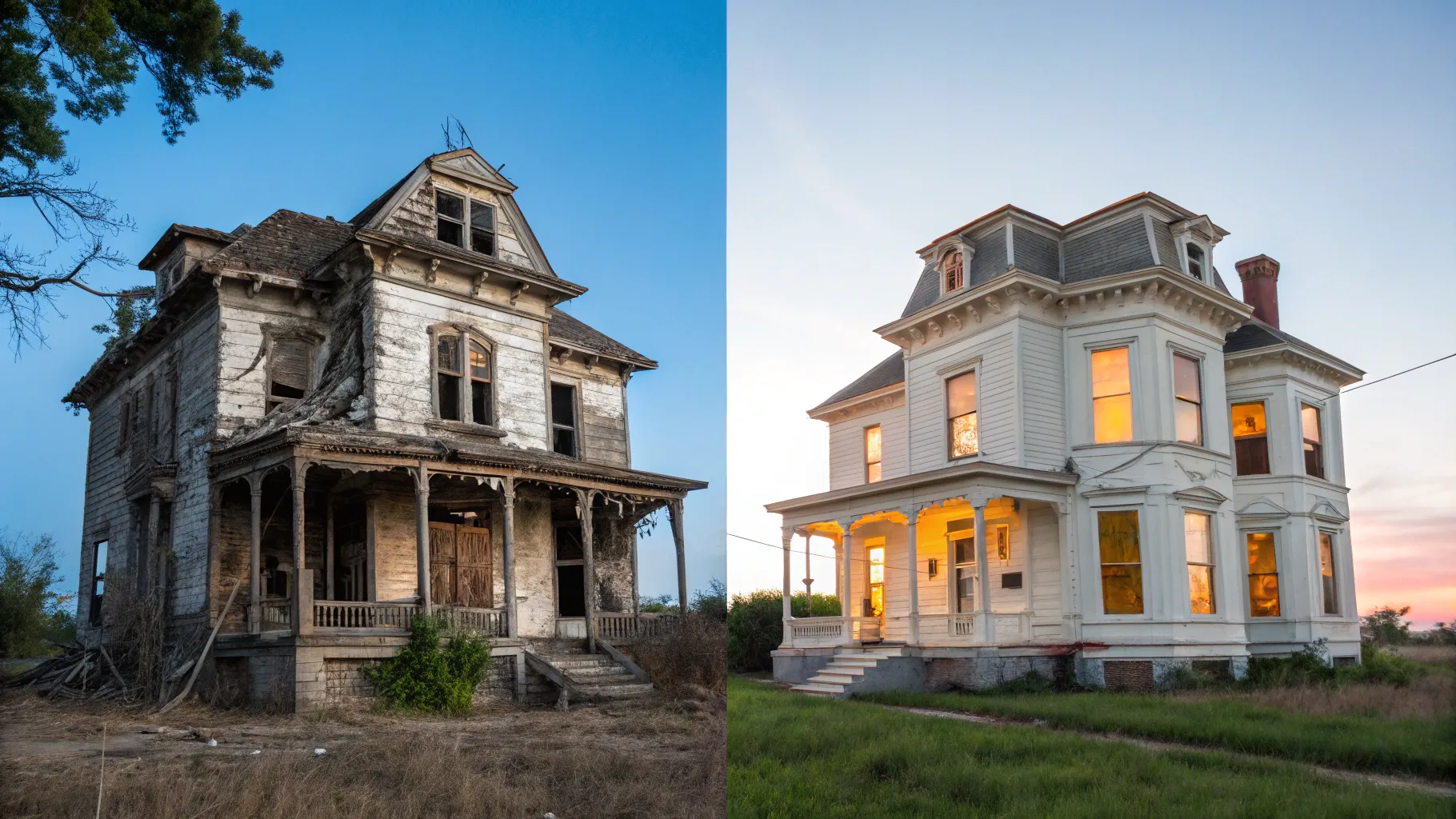
The allure of transforming a forgotten structure into a cherished home is a powerful one. It's a journey that speaks to our desire for creation and legacy. This process, a true adventure of From Ruins to Reality: A Guide to Restoring Abandoned Houses into Dream Homes, is not for the faint of heart. It requires vision, dedication, and a solid plan to navigate the immense challenges and reap the incredible rewards. Turning a dilapidated building into a bespoke living space is the ultimate recycling project, breathing life back into a piece of history and crafting a home that is uniquely yours. This comprehensive guide will walk you through the essential stages of this rewarding endeavor.
Step 1: Identifying and Assessing the Diamond in the Rough
The journey of From Ruins to Reality: A Guide to Restoring Abandoned Houses into Dream Homes begins with finding the right property. This is arguably the most critical step. Look beyond the broken windows and overgrown yards to see the potential that lies beneath. Potential properties can be found through real estate auctions, local council listings, and specialized realtors who handle distressed properties. Once you've identified a candidate, comprehensive due diligence is non-negotiable. You must hire a qualified structural engineer to assess the foundation, load-bearing walls, and roof integrity. Additionally, inspections for hazardous materials like asbestos, lead paint, and mold are essential. Understanding the true condition of the property will inform your budget and timeline, preventing catastrophic surprises down the line.
Step 2: The Critical First Response - Securing and Stabilizing
Once you've acquired the property, the clock starts ticking. Your first priority is to protect your investment from further decay and unauthorized entry. This means securing the site by boarding up broken windows and doors, and repairing any significant holes in the roof to prevent water damage, which is the number one enemy of vacant buildings. This stabilization phase is a core part of restoring abandoned houses into dream homes. You may need to perform emergency structural bracing if the engineer's report highlighted critical weaknesses. This stage isn't about aesthetics; it's about creating a safe and stable environment for the major renovation work that lies ahead.
Step 3: Navigating the Labyrinth of Planning and Permits
Before a single wall is moved, you must navigate the bureaucratic landscape of planning and permits. This is a pivotal phase in our guide to restoring abandoned houses into dream homes. Engage an architect or a designer early to draw up detailed plans that respect the original character of the house while incorporating your modern needs. These plans will be the foundation of your application for building permits. Depending on the property's age or location, you may also need to consult with historical preservation societies. Their input can add restrictions but also provide valuable guidance on authentic restoration. An actionable plan is key:
Actionable Advice for a Smooth Permitting Process
- Engage Local Authorities Early: Have an informal discussion with your local planning office before submitting formal plans. This can provide invaluable insight and prevent costly revisions.
- Prepare Detailed Architectural Plans: Your submission should be as comprehensive as possible, including structural calculations, materials specifications, and site plans. This shows professionalism and speeds up the approval process.
- Budget for Unexpected Fees: Always allocate a contingency in your budget for planning fees, potential survey costs, and any amendments required by the authorities.
Step 4: The Heart of the Transformation - Core Renovations
With permits in hand, the real transformation begins. This is where you address the core systems of the house. A complete overhaul of the electrical, plumbing, and HVAC systems is typically required for safety, efficiency, and modern living standards. This is the moment where the dream of From Ruins to Reality: A Guide to Restoring Abandoned Houses into Dream Homes starts to materialize from the dust and debris. Structural repairs, such as reinforcing floor joists, repairing masonry, or replacing rotten timbers, are addressed now. If you plan to alter the layout, this is when non-load-bearing walls come down and new ones go up. This phase is methodical and often the most expensive, but it forms the reliable skeleton of your future home.
Step 5: The Final Polish - From Structure to Sanctuary
After the structural and systemic work is complete, you move on to the finishes that turn a house into a home. This is the final and most visually rewarding stage. Installing high-performance insulation, hanging drywall, and skim coating the walls create the blank canvas. Then comes the color and texture: painting, flooring installation, and tile work. Kitchens and bathrooms are fitted out, and carpenters can install trim, cabinetry, and restore original features like staircases or window frames. The exterior is not forgotten; landscaping, exterior painting or brick repointing, and installing new windows and doors complete the curb appeal, finalizing the incredible journey of restoring abandoned houses into dream homes.
Frequently Asked Questions
How much does it cost to implement a full guide to restoring abandoned houses into dream homes?
The cost varies dramatically based on the house's condition, size, location, and the level of finish desired. A safe estimate is to budget at least the purchase price again for renovations, but a full structural and hazardous material survey will provide a more accurate financial picture.
Is it profitable to flip a derelict property after restoration?
It can be very profitable, especially in rising markets. The key is to accurately calculate the 'After Repair Value' (ARV) and strictly control your renovation budget. Success in this From Ruins to Reality: A Guide to Restoring Abandoned Houses into Dream Homes project as a financial venture depends on meticulous planning and market knowledge.
What are the biggest unforeseen challenges in a restoration project?
The most common surprises are hidden structural issues, extensive rot or pest damage not visible during the initial inspection, and unexpected planning or permitting delays. Always have a contingency fund of at least 15-20% of your total budget to cover these unforeseen problems.
References
- National Trust for Historic Preservation Guidelines
- International Building Code (IBC) Handbook
- Old-House Journal
- The Environmental Protection Agency (EPA) Guide to Asbestos and Lead Paint
Authored by FreshLifeWire team