Foods to Avoid for Fatty Liver Disease Management: A Complete Guide
Facts:
- Fatty liver disease affects up to 25% of people globally.
- A key trend is focusing on whole foods for non alcoholic fatty liver nutrition.
Navigating Your Diet: Key Foods to Exclude for Optimal Liver Health
Managing fatty liver disease, also known as hepatic steatosis, fundamentally begins on your plate. The journey to a healthier liver is paved with conscious dietary choices, focusing as much on what to exclude as what to include. Understanding the specific foods to avoid for fatty liver disease is the first and most critical step in reversing damage and supporting liver function. Adhering to proper hepatic steatosis diet guidelines can significantly reduce liver fat, prevent inflammation, and improve overall metabolic health. This guide will provide a comprehensive overview of the dietary culprits that can exacerbate the condition, offering a clear path forward for anyone seeking to improve their non alcoholic fatty liver nutrition and reclaim their well-being.
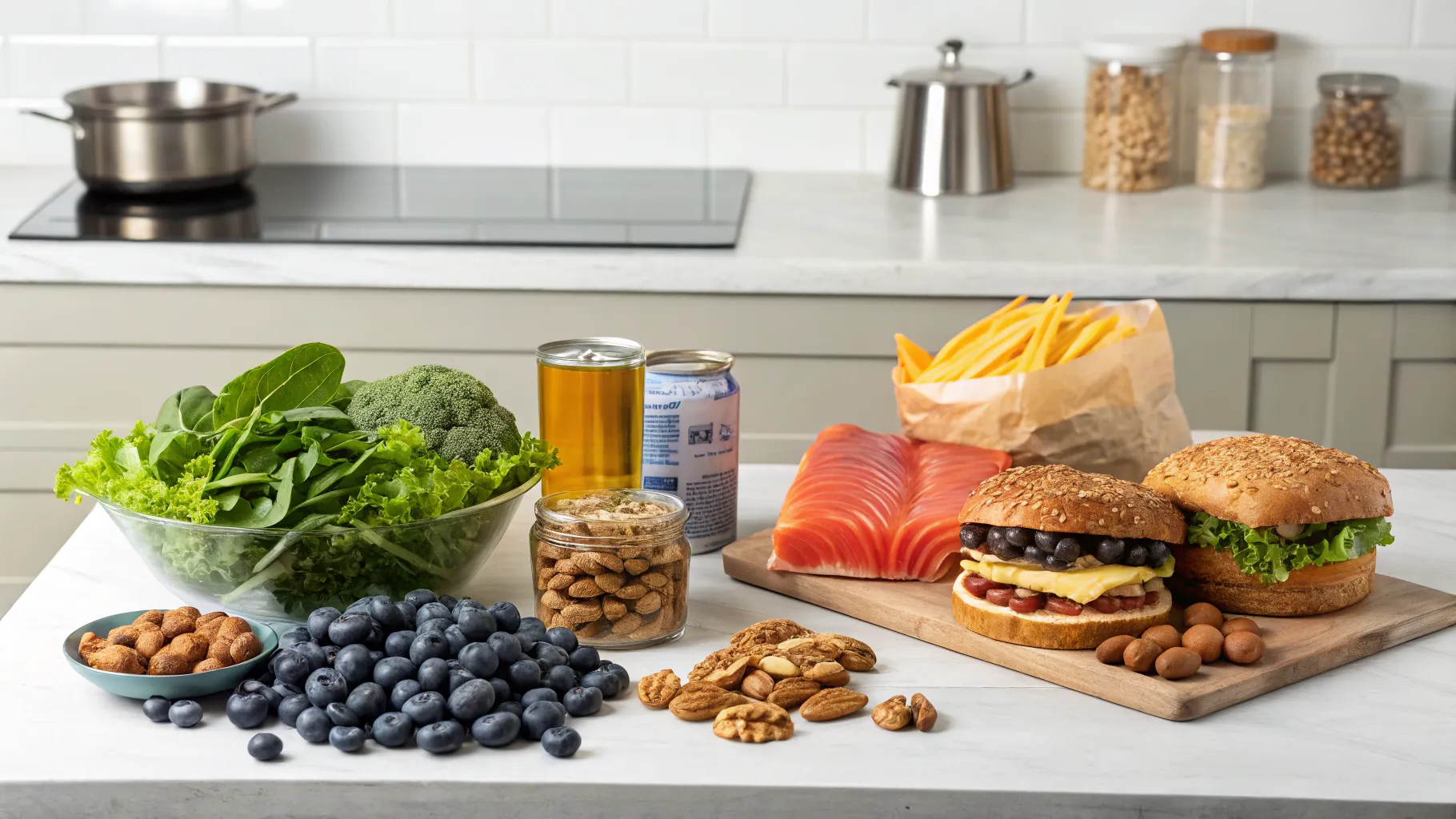
High-Fructose Corn Syrup and Added Sugars: The Silent Culprits
Perhaps the most significant category of foods to avoid for fatty liver disease is items laden with added sugars, especially high-fructose corn syrup (HFCS). The liver is the primary organ responsible for metabolizing fructose. When consumed in excess, the liver becomes overwhelmed and converts the fructose into fat through a process called de novo lipogenesis. This directly contributes to fat accumulation in liver cells. Common sources include sodas, sweetened juices, energy drinks, candy, pastries, and many breakfast cereals. It is essential to become a diligent label-reader, as added sugars are often hidden in sauces, condiments, and seemingly healthy packaged foods. Eliminating these is a cornerstone of any effective cleansing hepatic diet rows, as it directly reduces the metabolic burden on your liver.
Saturated and Trans Fats: Understanding Unhealthy Fats
Following strict hepatic steatosis diet guidelines means significantly reducing your intake of unhealthy fats. Saturated fats, found predominantly in red meat, full-fat dairy products, butter, and tropical oils like coconut and palm oil, can promote inflammation and contribute to liver fat. While small amounts may be acceptable, a diet high in these fats is detrimental. Even more dangerous are artificial trans fats, often found in fried foods, fast food, margarine, and commercially baked goods. Trans fats not only increase liver fat but also raise bad cholesterol (LDL) levels while lowering good cholesterol (HDL), creating a perfect storm for both liver and cardiovascular disease. Focusing your diet on unsaturated fats from sources like avocados, nuts, seeds, and olive oil is a much healthier approach.
Refined Carbohydrates and White Flour Products
Refined carbohydrates act similarly to sugar once they enter the bloodstream. Foods like white bread, white pasta, white rice, and other products made from refined flour have a high glycemic index, causing rapid spikes in blood sugar and insulin. This insulin surge can promote fat storage in the liver. A diet rich in these foods is a major contributor to the development and progression of NAFLD. Instead, a key principle of non alcoholic fatty liver nutrition is to choose complex carbohydrates that are high in fiber. Fiber slows down digestion, helps regulate blood sugar, and can aid in weight management. Swapping white bread for 100% whole grain, white rice for brown rice or quinoa, and incorporating more legumes and vegetables into your meals can make a profound difference. These dietary shifts are essential for a successful cleansing hepatic diet rows.
Excessive Alcohol and Sodium Intake
While this guide focuses on non-alcoholic fatty liver disease, it is crucial to understand that alcohol consumption can significantly worsen the condition and accelerate damage, potentially leading to more severe inflammation and scarring (cirrhosis). Therefore, avoiding alcohol is highly recommended. Another dietary component to monitor closely is sodium. High-sodium diets, common in processed and packaged foods, can contribute to fluid retention and high blood pressure, putting additional stress on the body and potentially exacerbating liver issues. Many people searching for liver enzyme support recipes find that reducing sodium and focusing on herbs and spices for flavor is a game-changer. Lowering your intake of canned soups, frozen dinners, cured meats, and salty snacks is a simple yet powerful step.
Actionable Advice: Practical Swaps for a Liver-Friendly Diet
Implementing these changes can feel overwhelming, but starting with simple, practical swaps can build momentum. Here are some actionable tips based on effective hepatic steatosis diet guidelines:
- Swap Sugary Drinks for Water: Instead of soda, sweetened iced tea, or juice, opt for water, herbal tea, or black coffee. Infusing water with lemon, cucumber, or mint can add flavor without sugar.
- Choose Whole Grains Over Refined Grains: Replace white bread with 100% whole-wheat bread. Switch from white pasta to whole-wheat pasta or legume-based alternatives like chickpea pasta. Use brown rice, quinoa, or barley instead of white rice.
- Prioritize Lean Proteins: Reduce red meat consumption and instead choose lean protein sources like poultry, fish (especially fatty fish like salmon for its omega-3s), beans, and lentils. These are central to many liver enzyme support recipes.
- Cook at Home More Often: Restaurant and takeout meals are often high in sodium, unhealthy fats, and added sugars. Cooking at home gives you full control over your ingredients, which is the core of successful non alcoholic fatty liver nutrition.
Frequently Asked Questions
What are the worst foods to eat for a fatty liver?
The absolute worst foods to avoid for fatty liver disease are those high in added sugar (especially fructose), trans fats, and refined carbohydrates. This includes sugary drinks, fast food, commercially baked goods like donuts and cookies, and processed meats. These items directly promote fat accumulation and inflammation in the liver.
Can you reverse a fatty liver with diet?
Yes, in many cases, especially in the early stages, non-alcoholic fatty liver disease can be significantly improved or even reversed through sustained lifestyle changes. A diet low in sugar, unhealthy fats, and processed foods, combined with regular exercise and weight loss, is the most effective strategy. Following clear hepatic steatosis diet guidelines is essential for this process.
Are there specific recipes that can help my liver?
Yes, focusing on liver enzyme support recipes can be very beneficial. These typically involve whole foods, lean proteins, and plenty of vegetables. Think grilled salmon with roasted asparagus and quinoa, a large salad with a variety of greens and a lemon-olive oil vinaigrette, or a hearty lentil soup. The goal is to provide nutrients without overburdening the liver.
References
- The Role of Diet in Non-Alcoholic Fatty Liver Disease - Journal of Hepatology
- Nutritional Recommendations for Patients with NAFLD - American Liver Foundation
- Fructose Consumption and Metabolic Disease - Nature Reviews Endocrinology
- Dietary Fats and Liver Health: A Clinical Review - The Lancet Gastroenterology & Hepatology
Authored by FreshLifeWire team