Foods To Avoid For Fatty Liver Disease: A Comprehensive Guide
Facts:
- Nonalcoholic fatty liver disease (NAFLD) affects up to 30% of adults worldwide.
- Diet is the primary and most effective treatment for managing NAFLD.
- A key trend in fatty liver wellness topics is the focus on the gut-liver axis for comprehensive health.
Understanding the Direct Impact of Diet on Fatty Liver Disease
Managing nonalcoholic fatty liver disease (NAFLD) begins in the kitchen. The connection between what you eat and the health of your liver is direct and profound. A diet high in certain types of foods can promote fat accumulation, inflammation, and even scarring (fibrosis) in the liver. Therefore, a critical component of any management plan involves identifying and eliminating the primary culprits. Understanding the specific foods to avoid for fatty liver disease is not just advice; it's a therapeutic strategy. Many ongoing fatty liver diet discussions emphasize that dietary intervention is the cornerstone of reversing damage and improving overall metabolic health. Focusing on proper liver health nutrition can halt the progression of the disease and significantly enhance your quality of life.
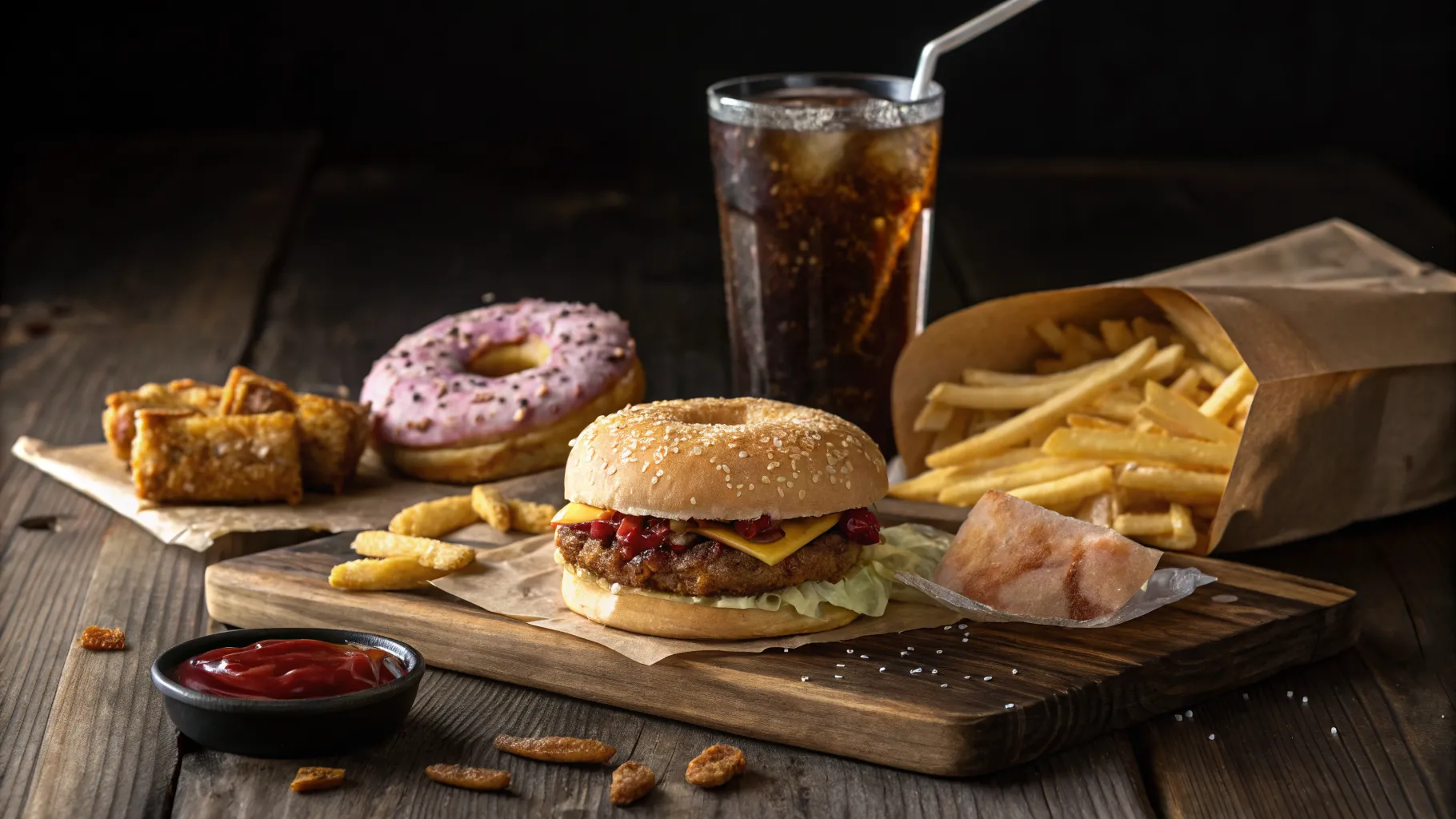
The Top Food Groups That Harm Your Liver
When creating a liver-friendly diet, the primary goal is to reduce the burden on this vital organ. Certain food groups are particularly damaging, contributing directly to fat buildup and inflammation. Here we break down the most important categories of foods to avoid for fatty liver disease, explaining the mechanisms behind their negative impact.
1. Added Sugars and High-Fructose Corn Syrup (HFCS)
Perhaps the single worst offender for liver health is added sugar, especially in the form of high-fructose corn syrup (HFCS) found in sugary drinks, candies, baked goods, and many processed foods. Unlike glucose, which can be used by cells throughout the body, fructose is metabolized almost exclusively by the liver. When the liver is overloaded with fructose, it converts the excess into fat through a process called de novo lipogenesis. This process directly contributes to the fat deposits characteristic of NAFLD. Reducing or eliminating sugar-sweetened beverages is one of the most impactful changes you can make and is a central theme in all fatty liver diet discussions.
2. Saturated and Trans Fats
Fats are not all created equal. Saturated fats, found in red meat, full-fat dairy products, and tropical oils like palm oil, can contribute to insulin resistance and inflammation. Trans fats, often found in fried foods, margarines, and commercially prepared baked goods (look for 'partially hydrogenated oils' on the label), are even more detrimental. These artificial fats are strongly foods linked to liver health problems, as they promote inflammation and can increase liver fat levels significantly. Shifting your fat intake towards healthier unsaturated sources is crucial for effective liver health nutrition.
3. Refined Carbohydrates
Refined carbohydrates, such as white bread, white rice, pasta, and pastries, have been stripped of their fiber and nutrients. They have a high glycemic index, meaning they cause rapid spikes in blood sugar and insulin levels. High insulin levels signal the body to store fat, and the liver is a primary site for this storage. Over time, a diet rich in refined grains can contribute to the development and progression of fatty liver disease. These items are consistently listed among the top foods to avoid for fatty liver disease for their impact on metabolic health.
Actionable Dietary Swaps for Improved Liver Health
Making sustainable changes is key to long-term success. Instead of just focusing on removal, it's beneficial to think in terms of smart substitutions. This approach makes adopting a new eating pattern less daunting and more effective. Many fatty liver wellness topics focus on these positive swaps.
- Instead of Soda or Sweetened Juice: Drink water, herbal tea, or black coffee. Hydration is vital, and removing liquid sugar calories is a massive step forward.
- Instead of White Bread: Choose 100% whole-grain or sprouted-grain bread. The fiber helps slow down sugar absorption and improves digestive health.
- Instead of Red and Processed Meats: Opt for lean proteins like fish (especially fatty fish like salmon for its omega-3s), poultry, beans, and lentils. This is a fundamental principle of good liver health nutrition.
- Instead of Fried Snacks: Reach for a handful of nuts, seeds, or fresh vegetables with hummus. These provide healthy fats, fiber, and valuable micronutrients.
The Hidden Dangers: Reading Food Labels
One of the biggest challenges is navigating the grocery store, where many seemingly healthy products contain hidden ingredients that are harmful to the liver. It's essential to become a vigilant label-reader. Look for hidden sugars under names like sucrose, dextrose, agave nectar, and corn syrup. Be wary of 'low-fat' products, which often compensate for the lack of fat with extra sugar and sodium. Understanding what you are consuming is the most empowering part of managing your diet, a common point raised in fatty liver diet discussions. Being aware of these hidden elements is crucial when identifying foods linked to liver health issues.
Beyond Diet: A Holistic Approach to Liver Wellness
While diet is the cornerstone, a holistic approach yields the best results. Regular physical activity is incredibly important, as it helps improve insulin sensitivity and can directly reduce liver fat. Aim for at least 150 minutes of moderate-intensity exercise, such as brisk walking or cycling, per week. Weight management is also critical; losing even 5-10% of your body weight can dramatically decrease liver fat and inflammation. Combining these lifestyle strategies with a careful diet focused on avoiding harmful foods creates a powerful synergy for liver recovery. This comprehensive view is at the heart of modern fatty liver wellness topics.
Frequently Asked Questions
What is the number one food to avoid for a fatty liver?
While many foods are detrimental, most experts in fatty liver diet discussions agree that sugar-sweetened beverages, due to their high concentration of fructose, are arguably the single worst item for liver health.
Can you reverse fatty liver disease completely?
Yes, in many cases, especially in the earlier stages, NAFLD can be reversed through sustained and significant lifestyle changes. A strict diet avoiding the harmful foods to avoid for fatty liver disease combined with exercise and weight loss can reduce liver fat and inflammation.
Is cheese bad for fatty liver?
Cheese is high in saturated fat and sodium, which are not ideal for liver health. While small amounts of high-quality cheese may be acceptable for some, it is generally recommended to limit its consumption as part of a proper liver health nutrition plan.
References
- The American Liver Foundation: A Guide to Diet and Fatty Liver Disease
- Journal of Hepatology: Dietary Recommendations for Patients with NAFLD
- National Institute of Diabetes and Digestive and Kidney Diseases (NIDDK): Nonalcoholic Fatty Liver Disease & NASH
- World Journal of Gastroenterology: The Role of Diet in NAFLD
Authored by FreshLifeWire team