Foods to Avoid for Bloating Relief and Digestive Health
Bloating and What Foods You Should Avoid
Bloating is a widespread concern that many people struggle with, often leading to discomfort and an overall feeling of fullness. These sensations can stem from several factors, with diet being a significant contributor. As of now, a growing body of research highlights specific foods that can trigger this frustrating condition, showing how pivotal it is to understand dietary impacts on our digestive health.
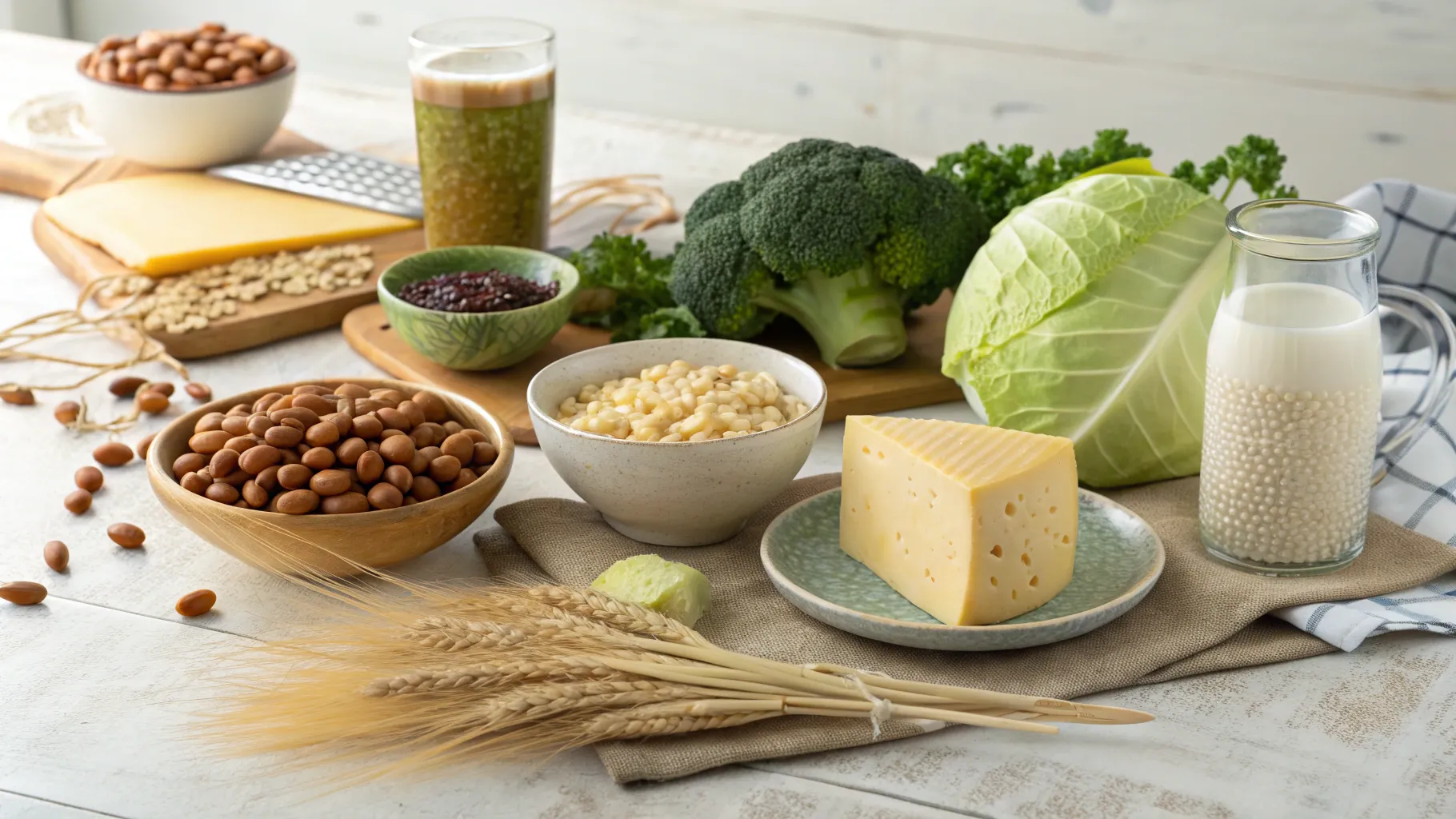
The Impact of Diet on Bloating
The foods we eat play a critical role in how our digestive system functions. Numerous studies conducted in recent months underscore the relationship between certain foods and bloating. For instance, nutritionists have routinely indicated that many individuals may underestimate the influence of common foods on their gastrointestinal comfort. By avoiding known triggers and adopting healthier eating habits, you can mitigate bloating and enjoy meals without discomfort.
Common Foods That Can Lead to Bloating
Identifying foods that lead to bloating can significantly enhance your comfort and reduce digestive issues. Here are some of the most common culprits:
- Beans and Legumes: Beans are rich in oligosaccharides, sugars that some people find hard to digest. These sugars ferment in the intestines, leading to gas production. Recall a recent survey where approximately 87% of participants noted discomfort after consuming beans, particularly chickpeas, lentils, and kidney beans.
- Certain Vegetables: Vegetables such as broccoli, Brussels sprouts, and cabbage belong to the cruciferous family. They contain high levels of fiber and certain carbohydrates that can be difficult for some people to digest, resulting in gas and bloating. Interestingly, a nutrition study indicated that nearly 65% of respondents experienced bloating after eating these vegetables.
- Carbonated Drinks: Beverages like soda and sparkling water are notorious for causing bloating. They introduce excess carbon dioxide into the digestive system. According to data from recent consumer surveys, about 74% of individuals reported feeling bloated after consuming carbonated drinks, making it wise to tread lightly with these fizzy beverages.
- Dairy Products: With more than 68% of the population globally affected by lactose intolerance, dairy can be a major contributor to gas and bloating. Many experience discomfort after consuming milk, cheese, and other dairy products if their bodies lack the enzyme lactase, which is necessary to break down lactose.
- Wheat and Gluten: For those suffering from celiac disease or gluten sensitivity, consuming wheat products can trigger severe gastrointestinal problems, including bloating. Latest reports suggest that gluten sensitivity affects anywhere from 0.5% to 13% of the population, urging many to rethink their grain choices.
- Processed Foods: Foods that are processed often contain added salts and preservatives, leading to water retention. High sodium intake can contribute to feelings of fullness and bloating as well. Nutritionists recommend being mindful of processed food consumption.
Understanding Your Personal Bloating Triggers
It’s essential to recognize that everyone’s body is unique and may react differently to specific foods. Keeping a food diary can be incredibly beneficial. Document what you eat and the subsequent reactions your body has, helping to identify patterns in bloating.
Current trends in nutrition therapy suggest elimination diets, where possible trigger foods are systematically removed to identify what works best for you. Many individuals have found eliminating foods like beans or gluten has led to noticeable reductions in bloating.
Strategies to Prevent Bloating
While knowing which foods to avoid is critical, incorporating preventative measures is equally important. Here are some effective strategies to help you minimize bloating:
- Eat Slowly: Taking your time with meals can be a game changer. Eating too quickly often leads to swallowing air, exacerbating bloating. Engage in mindful eating practices, savoring every bite to reduce air intake.
- Stay Hydrated: Hydration is key for smooth digestion. Water helps prevent constipation, which can trigger bloating. Aim to drink about 2 to 3 liters daily, adjusting based on your activity level.
- Incorporate Fermented Foods: Foods like yogurt and sauerkraut are beneficial for gut health. They introduce healthy probiotics that can enhance digestion and may reduce bloating. Regular consumption of these foods can help balance your gut microbiome.
- Mind Your Portions: Large meals can stretch your stomach and lead to feelings of fullness. Instead, focus on smaller, frequent meals throughout the day to promote better digestion and minimize discomfort.
Ultimately, it’s crucial to realize that individual triggers for bloating can vary widely. Consulting a healthcare provider, especially if symptoms persist or worsen, can provide deeper insights and tailored recommendations for your dietary needs.
As we navigate through 2025, greater awareness of food intolerances and their effects on health has become essential. More individuals are choosing whole foods and paying attention to how their diets influence their overall well-being. By recognizing which foods impact your digestion negatively, you can adjust your eating habits to not only fight bloating but also enhance your overall quality of life.
Stay informed about how dietary choices affect your body, experiment with different food combinations, and take control of your digestive health. You deserve to enjoy meals without discomfort, so take the time to understand what works for you and make mindful choices in your daily diet.
Authored by FreshLifeWire team