Foods that Support Bladder Comfort in Seniors: A Guide to Urinary Tract Support Nutrition
Facts:
- Certain foods can significantly reduce bladder irritation and urgency.
- A growing trend in senior wellness is focusing on urinary tract support nutrition for better quality of life.
Nourishing Your Body: The Link Between Diet and Bladder Wellness
As we age, maintaining bladder comfort becomes a significant aspect of overall health and well-being. Many seniors experience increased urinary frequency, urgency, or discomfort, which can often be influenced by diet. The good news is that strategic food choices can play a pivotal role in managing these symptoms. Adopting specific dietary habits for bladder comfort over 60 is not about restriction, but rather about empowerment through knowledge. By focusing on non-irritating, nutrient-dense foods, older adults can actively support their urinary system, reduce inflammation, and enhance pelvic floor wellness, leading to a more comfortable and confident lifestyle.
Top Bladder-Friendly Foods for Older Adults
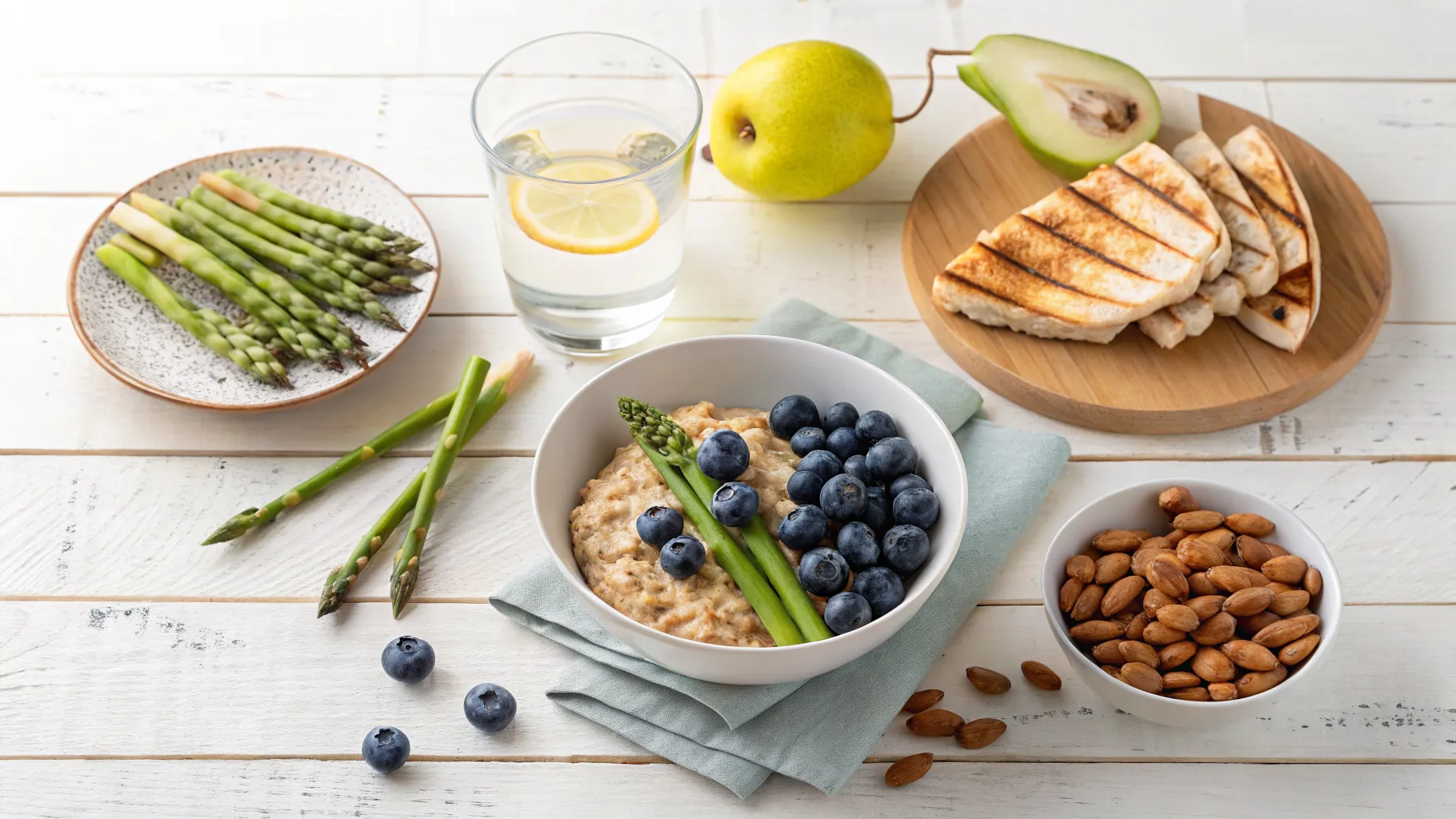
Incorporating the right foods into your daily meals is a foundational step towards better bladder health. The focus should be on whole, unprocessed foods that are low in acid and gentle on the urinary tract. Making an informed choice is central to an understanding non irritating food selection. These foods provide essential nutrients without triggering inflammation or irritation. Here are some of the best categories of bladder friendly foods older adults should consider adding to their diet for sustained comfort.
Low-Acid Fruits and Vegetables
Many fruits and vegetables are packed with vitamins and fiber, but some can be highly acidic and irritate the bladder lining. Opting for low-acid varieties is crucial. Pears, bananas, avocados, melons (like cantaloupe and watermelon), and blueberries are excellent fruit choices. For vegetables, focus on green beans, cucumbers, broccoli, asparagus, and potatoes. These foods are not only gentle on the bladder but also provide hydration and fiber, which helps prevent constipation—a condition that can put extra pressure on the bladder.
Fiber-Rich Whole Grains
Constipation is a common issue for seniors and it can exacerbate bladder problems by placing pressure on the urinary tract. A diet rich in fiber from whole grains like oatmeal, brown rice, and whole-wheat bread can promote regular bowel movements. These complex carbohydrates provide sustained energy and are a cornerstone of effective urinary tract support nutrition. They help maintain a healthy digestive system, which is intrinsically linked to urinary comfort.
Lean Proteins
Protein is vital for muscle health, including the pelvic floor muscles that support the bladder. However, some processed or cured meats can contain additives that may act as bladder irritants. Stick to lean proteins such as grilled chicken, turkey, fish, and eggs. Plant-based proteins like lentils and beans are also excellent choices, providing both protein and fiber. These options support overall health without aggravating sensitive bladder tissues.
Understanding Non-Irritating Food Selection: What to Limit
Just as important as knowing what to eat is knowing what to avoid. A key part of this informative guide to pelvic floor wellness is identifying and reducing common bladder irritants. These substances can cause the bladder muscles to contract, leading to a sudden, strong urge to urinate. While individual triggers can vary, some foods and drinks are notorious for causing issues. Limiting your intake of caffeine (found in coffee, tea, and soda), alcohol, carbonated beverages, spicy foods, chocolate, and artificial sweeteners can make a significant difference. Acidic foods like tomatoes, citrus fruits (oranges, lemons, grapefruits), and vinegars should also be consumed with caution. Keeping a food diary can help you identify your personal triggers and refine your dietary approach.
Hydration Habits for Optimal Bladder Function
It might seem counterintuitive to drink more water when dealing with urinary frequency, but proper hydration is essential. Dehydration can lead to concentrated urine, which is highly irritating to the bladder lining and can worsen symptoms. Aim to drink plenty of plain water throughout the day. Sipping water consistently, rather than drinking large amounts at once, can help prevent overwhelming the bladder. If you find plain water unappealing, try infusing it with bladder-friendly ingredients like cucumber or pear slices. Herbal teas like chamomile or peppermint are also generally considered safe and hydrating options for senior bladder health.
Actionable Dietary Habits for Bladder Comfort Over 60
Integrating these changes into your lifestyle can feel daunting, but small, consistent steps lead to significant improvements. Here is some practical advice for adopting better dietary habits for bladder comfort over 60.
- Plan Your Meals: Dedicate some time each week to plan meals rich in bladder friendly foods older adults can easily prepare. This removes the guesswork and makes it easier to stick to a supportive diet.
- Read Labels Carefully: When grocery shopping, pay close attention to food labels. Avoid products with hidden caffeine, artificial sweeteners, or high levels of sodium and acidic preservatives. This is a critical part of understanding non irritating food selection.
- Cook at Home: Preparing meals at home gives you full control over the ingredients. You can ensure your food is low in salt, free from spicy seasonings, and focused on whole, unprocessed components that support your urinary health.
- Listen to Your Body: Pay attention to how different foods affect your symptoms. A food diary can be an invaluable tool in personalizing your diet and achieving the best possible urinary tract support nutrition.
Frequently Asked Questions
What are the best first steps for creating a bladder-friendly diet?
The best first step is to start by eliminating the most common irritants like caffeine, alcohol, and spicy foods for a couple of weeks to see if symptoms improve. Simultaneously, increase your intake of water and known bladder friendly foods older adults thrive on, such as pears, bananas, and oatmeal. This simple elimination and substitution process can provide immediate insights.
How does fiber intake relate to pelvic floor wellness?
Fiber is crucial for preventing constipation. A full bowel can press against the bladder, increasing pressure and the sensation of urgency. An informative guide to pelvic floor wellness will always emphasize a high-fiber diet to ensure regular, soft bowel movements, which reduces this pressure and supports overall pelvic health.
Can my diet completely cure my bladder issues?
While diet is a powerful tool for managing symptoms, it may not be a complete cure, as bladder issues can have multiple causes. However, adhering to proper dietary habits for bladder comfort over 60 can dramatically reduce irritation, frequency, and urgency, significantly improving your quality of life and working in conjunction with other treatments recommended by your doctor.
References
- National Institute on Aging - Bladder Health for Older Adults
- Urology Care Foundation - Bladder-Friendly Diet Guide
- Journal of Gerontology & Geriatric Research - Dietary Influences on Urinary Tract Health
- International Urogynecological Association - Pelvic Floor Health and Nutrition
Authored by FreshLifeWire team