Foods That Cause Bloating and How to Avoid Them
Understanding Bloating and What Foods You Should Avoid
Bloating is a common digestive issue that many people experience. It often leads to discomfort and can significantly affect your quality of life. If you've ever felt your stomach swell after eating certain foods, you're not alone. This sensation can make you feel like you're wearing a tight corset and can be both physically and emotionally distressing. Let’s delve into the foods that commonly cause bloating and look at ways to mitigate these effects.
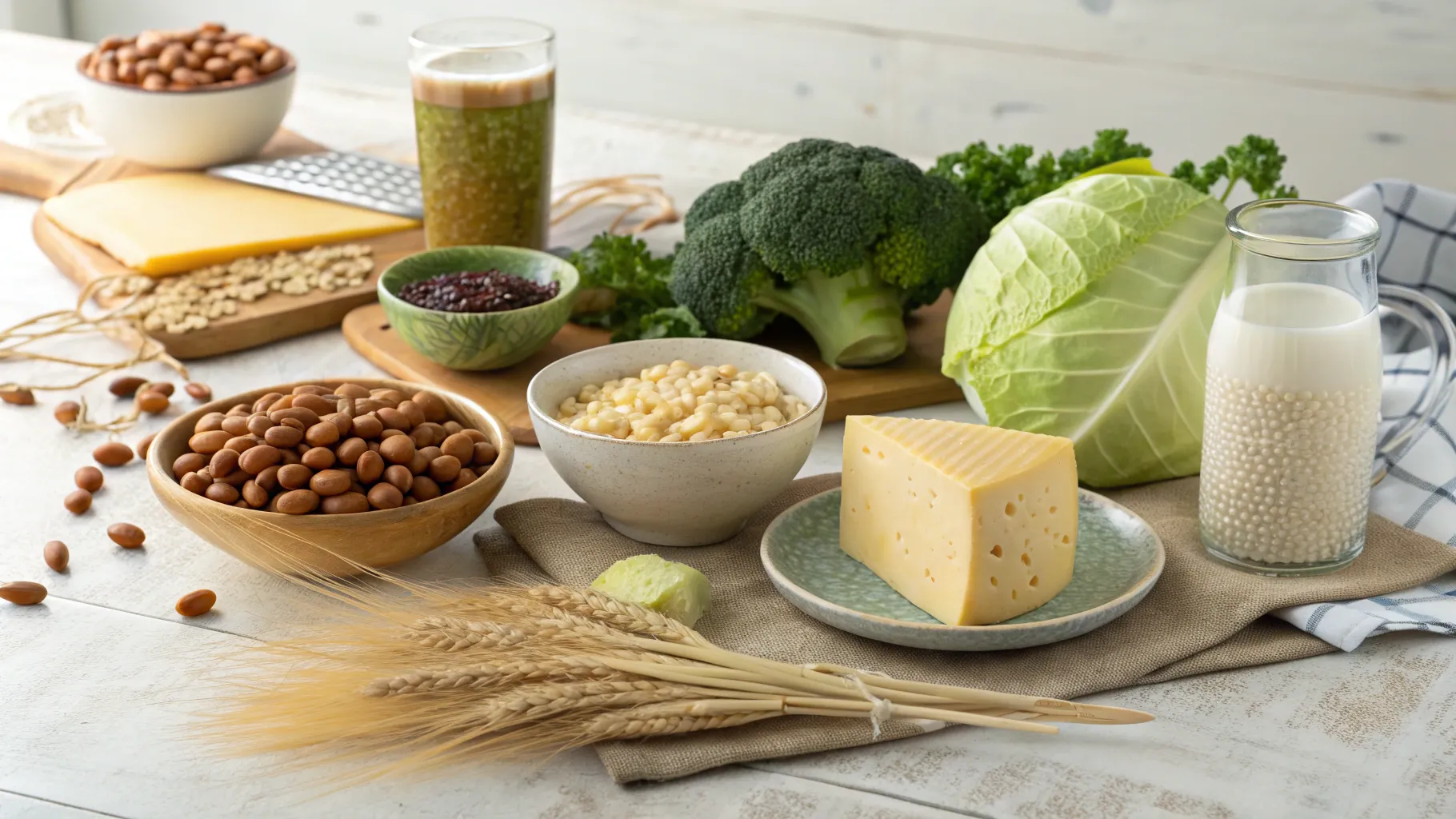
Foods That Cause Bloating
In 2025, more individuals are becoming aware of their dietary habits and how they influence their digestive health. Here are some of the main culprits that may lead to bloating:
- Legumes: Beans, lentils, and peas are notorious for causing gas and bloating. This phenomenon occurs because they contain oligosaccharides, which can be difficult for the body to digest. When these sugars reach the gastrointestinal tract, bacteria ferment them, producing gas that leads to bloating.
- Dairy Products: For many people, especially those who are lactose intolerant, dairy can trigger bloating. Milk, cheese, and yogurt contain lactose, a sugar that some individuals cannot digest properly, leading to gas and swelling in the abdomen.
- Cruciferous Vegetables: While vegetables like broccoli, cauliflower, and cabbage are healthy, they can contribute to bloating. These vegetables contain sulfur-containing compounds and fiber that can be hard for some people to digest. The fermentation process of these fibers can also cause gas production.
- Carbonated Drinks: Bubbles in carbonated beverages can lead to bloating. When the gas from these drinks is released in the stomach, it can result in a feeling of fullness or pressure, causing discomfort.
- Wheat and Gluten: With increasing rates of gluten sensitivity and celiac disease diagnosis, many have found that wheat products can cause bloating. Foods like bread, pasta, and baked goods may not sit well with everyone, leading to digestive issues.
Recognizing Symptoms of Food-Induced Bloating
Individuals often mistake bloating for other digestive issues. Common symptoms of bloating include a feeling of fullness, pressure in the stomach, visible swelling, and sometimes abdominal pain. Staying attuned to your body and the foods you consume can reveal patterns that may help identify specific trigger foods.
Interestingly, recent studies indicate that nearly 30% of adults report feeling bloated after meals, especially after consuming high-fiber or dairy-rich dishes. Surveys also emphasize that awareness of food intolerances is on the rise, motivating people to assess their diets more critically.
Dietary Tips to Reduce Bloating
If you frequently experience bloating after meals, consider these actionable tips to minimize discomfort:
- Eat Slowly: Rushing through meals can force air into your digestive tract, exacerbating bloating. Take your time to chew your food thoroughly.
- Keep a Food Diary: Tracking what you eat can help pinpoint specific foods that trigger your bloating. This can guide you in making informed dietary choices and adjustments.
- Stay Hydrated: Drinking plenty of water can help with digestion and prevent water retention, which can contribute to a bloated feeling.
- Choose Non-Dairy Alternatives: For those with lactose intolerance, switching to lactose-free milk or plant-based alternatives can alleviate bloating.
- Incorporate Probiotics: Foods rich in probiotics, such as yogurt or fermented foods like kimchi and kefir, can aid digestion and help reduce bloating.
Current Trends in Nutrition Awareness
As 2025 unfolds, new trends are emerging in nutrition that prioritize digestion-friendly eating. More health-conscious individuals are gravitating towards whole foods and plant-based diets to maintain gut health. Moreover, there’s a surge in interest regarding the microbiome's role in digestion and the overall body’s response to various foods.
Additionally, with access to information through digital platforms, people are more informed about conditions like IBS (Irritable Bowel Syndrome) and food intolerances. This awareness often leads to dietary modifications that prioritize individual health needs.
For those who suspect underlying conditions affecting their digestion, from food allergies to intolerances or more complex gastrointestinal disorders, consulting with a healthcare provider is essential. Nutritional therapy might be a beneficial approach to manage symptoms effectively.
Foods to Introduce for Digestive Wellness
While avoiding specific foods is important, incorporating others can promote digestive health. Some foods that may improve gut health and reduce bloating include:
- Ginger: Known for its anti-inflammatory properties, ginger can help soothe the digestive tract.
- Bananas: Rich in potassium, bananas can help reduce bloating by balancing electrolytes and facilitating digestion.
- Fennel: This herb can help relax intestinal spasms and prevent gas buildup.
- Peppermint: A natural remedy known for its digestive benefits, peppermint can ease bloating and discomfort.
- Asparagus: This vegetable acts as a natural diuretic and can reduce water retention.
Embracing an intuitive approach towards food consumption that respects your body’s signals will ultimately empower you in your journey to mitigate bloating. By staying informed and mindful of your dietary choices, you can enjoy your meals without the fear of discomfort that bloating can bring.
Authored by FreshLifeWire team