Foods That Relieve Arthritis Pain and Inflammation
Can Certain Meals Relieve Arthritis Pain
Arthritis—a condition that millions face globally—creates a pathway for daily discomfort through joint pain, stiffness, and persistent inflammation. This affects over 54 million adults in the United States alone, as reported by the CDC. Consequently, people are increasingly on the lookout for effective management strategies. A fascinating avenue gaining traction is the role of diet in alleviating arthritis pain. Indeed, many are asking, can diet reduce arthritis inflammation? The consensus is becoming clearer, with a resounding yes emerging from recent studies and anecdotal evidence alike.
How Does Food Affect Joint Pain
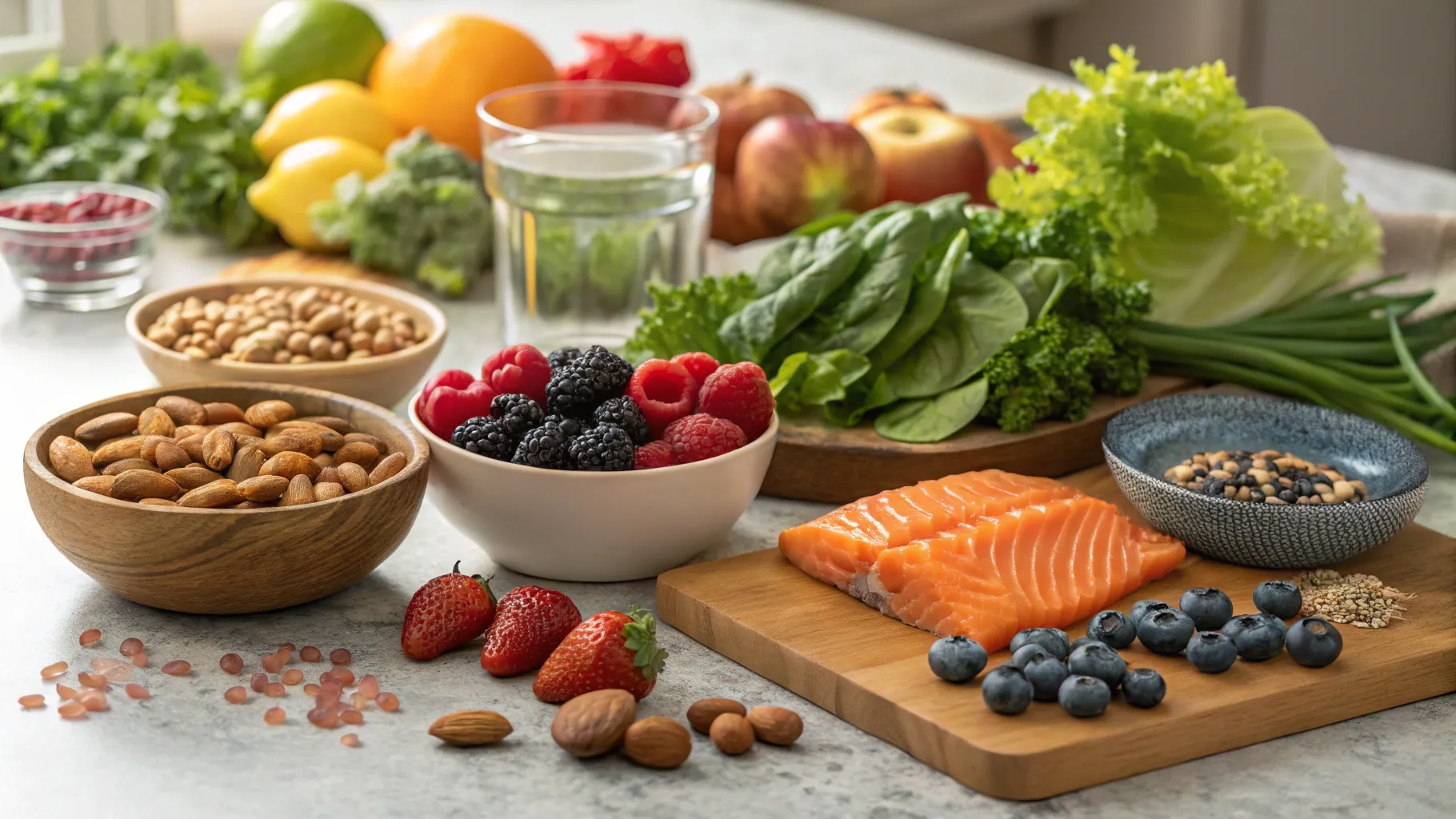
The connection between food and overall wellness is immense, and its specific impact on arthritis is slowly coming to light. Certain foods exhibit anti-inflammatory properties that actively diminish joint pain and swelling. A robust diet composed of fruits, vegetables, healthy fats, and lean proteins can greatly aid in reducing arthritis symptoms.
For example, a recent study showcased in the Journal of Pain Research spotlighted the Mediterranean diet, revealing that individuals adhering to this eating pattern reported significant relief from joint pain. This diet encourages the consumption of whole grains, nuts, seeds, and fatty fish, all rich in omega-3 fatty acids known for their anti-inflammatory capabilities. Omega-3s obstruct the production of inflammatory molecules, elucidating how food directly impacts joint pain.
A large-scale investigation published in the European Journal of Clinical Nutrition also found that increased consumption of ultra-processed foods correlates with higher inflammatory markers in the body. Therefore, pivoting towards a diet that favors unprocessed, natural foods can be an effective strategy in managing arthritis pain. This aligns with nutritional strategies many health enthusiasts are adopting.
Which Nutrients Support Arthritis Relief
- Omega-3 Fatty Acids: Found in fatty fish like salmon and sardines, as well as flaxseeds and walnuts, omega-3s are acclaimed for their anti-inflammatory properties.
- Antioxidants: Vitamins C and E—abundant in fruits like oranges and strawberries, alongside vegetables like spinach—help combat oxidative stress and related inflammation.
- Vitamin D: Crucial for bone health, vitamin D can be obtained through sun exposure, fortified foods, and fatty fish. Recent studies suggest that a deficiency in vitamin D may worsen arthritis symptoms.
- Curcumin: The active compound in turmeric, curcumin, has shown promising results in reducing inflammation for those with arthritis.
- Fiber: Found in whole grains, beans, fruits, and vegetables, fibers help to lower inflammatory markers in the bloodstream, providing another avenue for pain relief.
Can Changing Your Meals Ease Arthritis
Adjusting your meal choices is not solely about what you incorporate; it’s equally about what you remove. Many individuals report improved arthritis symptoms after eliminating highly processed foods, sugars, and trans fats, which are known to be inflammatory and can intensify joint pain. In 2025, the trend is undeniably shifting towards more unrefined eating patterns, with those experiencing arthritis leading this evolution.
Integrative approaches that prioritize diet as part of comprehensive treatment plans are steadily gaining traction, with health professionals often recommending meal plans incorporating anti-inflammatory ingredients. Notably, the addition of:
- Leafy Greens: Vegetables such as spinach and kale serve as rich sources of antioxidants known to lower inflammation.
- Berries: Their high levels of antioxidants help mitigate inflammatory markers in the body.
- Nuts: Almonds and walnuts not only add healthy fats to the diet but also support an anti-inflammatory regimen.
A compelling case study in 2025 involved a 56-year-old woman with rheumatoid arthritis who embarked on a distinctive anti-inflammatory diet. Within weeks of committing to her new nutritional plan, she noted significant reductions in both pain and swelling. Under the guidance of her nutritionist, she prioritized foods rich in healthy fats while steering clear of refined sugars and grains. This type of transformation underscores how what you eat directly influences arthritis symptoms, showcasing a remarkable impact on countless individuals.
How to Use Food to Manage Arthritis Pain
Incorporating beneficial foods into one’s diet need not be daunting. Here are several practical strategies on how to use food to effectively manage arthritis pain:
- Plan Your Meals: Crafting a weekly meal plan guarantees a variety of anti-inflammatory foods. Strive for at least five servings of fruits and vegetables daily.
- Snack Smart: Opt for healthy snacks such as nuts, seeds, or fresh fruits over processed options.
- Experiment with Cooking: Employ various cooking methods for vegetables. Techniques like steaming, baking, or grilling can enhance their taste and nutritional benefits.
- Stay Hydrated: Drinking an ample amount of water can aid in reducing joint stiffness and maintaining overall health.
- Seek Professional Guidance: Collaborating with a registered dietitian can lead to tailored meal plans that align with personal preferences and needs.
Embracing a diet supportive of joint health can result in transformative changes for those combating arthritis. By focusing on nutrient-dense and anti-inflammatory foods while making conscious dietary choices, managing arthritis pain becomes a more attainable goal for many individuals. It’s heartening to witness ongoing changes in dietary habits, lending hope for diminished pain and a healthier life.
Authored by FreshLifeWire team