Which foods increase the risk of stroke?
Foods That Increase the Risk of Stroke
In today’s world, the food we consume plays an undeniable role in our health, especially concerning serious conditions such as stroke. As numerous studies have shown, there are particular dietary choices that can heighten the risk of stroke—a leading cause of death and disability globally. Understanding these food types can empower individuals to make informed decisions about their diets, ultimately aiming at reducing the strokes they may face.
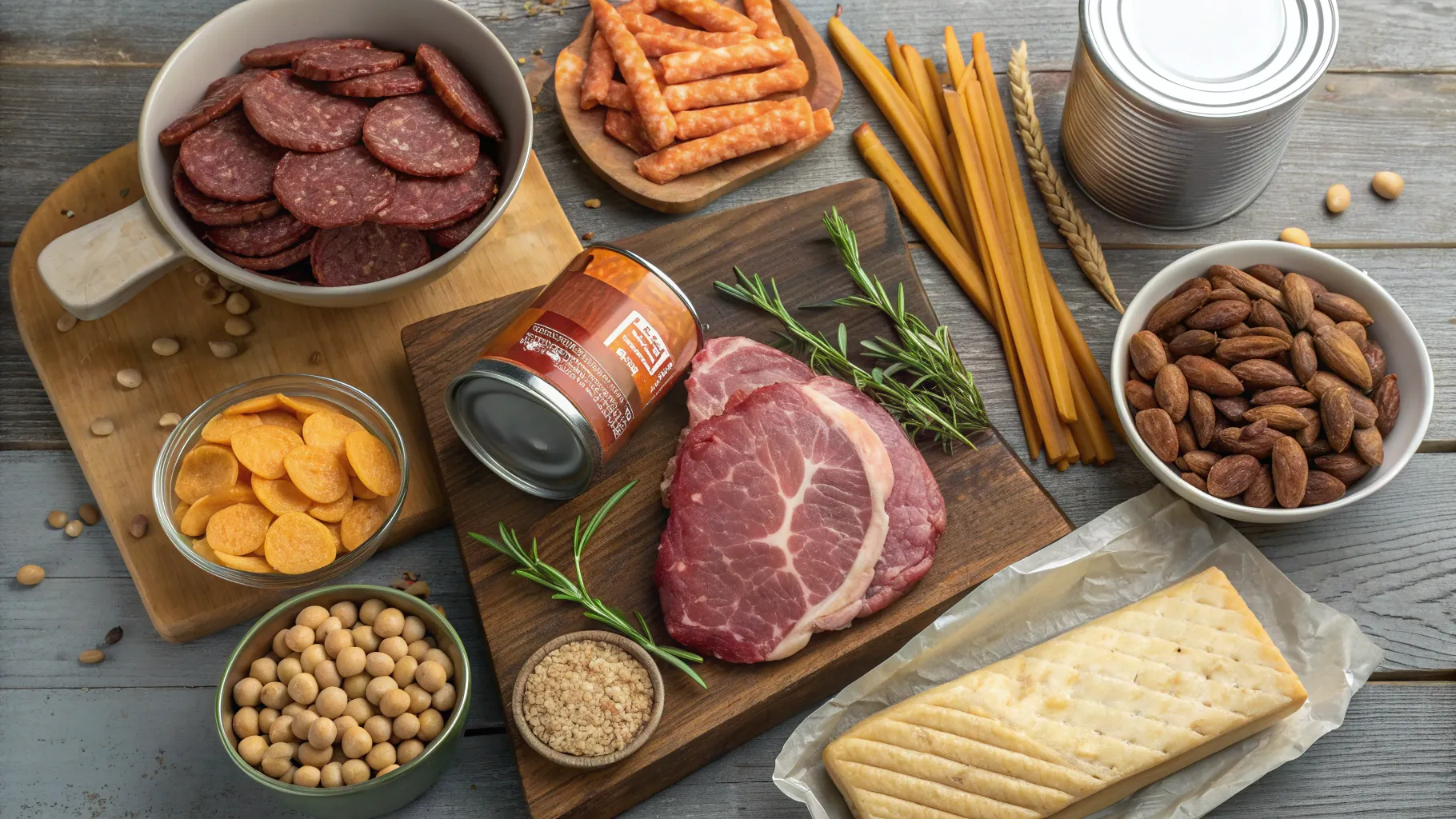
How Do Fatty Foods Contribute to Stroke Risk?
Fatty foods are notorious for their adverse effects on cardiovascular health. Specifically, saturated and trans fats are the culprits to watch out for. Saturated fats, commonly found in products like fatty cuts of meat, butter, and full-fat dairy, lead to cholesterol accumulation in our arteries. This accumulation can narrow the passages, making it easier for blockages to form—potentially resulting in a stroke. Recent dietary research from early 2025 confirms that those who indulge in high saturated fat diets have a 20% higher risk of experiencing a stroke than those adhering to heart-healthy alternatives.
Trans fats, frequently packaged within processed foods, baked goods, and certain margarine types, are equally pernicious. They contribute to inflammation and can damage the delicate lining of our blood vessels, escalating not only cholesterol levels but also the risk of heart diseases. Recommendations from the American Heart Association stress the importance of limiting the intake of trans fats to safeguard heart health.
The Downside of High Sodium Intake
Salt is an essential ingredient in many kitchens, yet excessive sodium intake can have dire implications for our blood vessels. The link between high sodium and elevated blood pressure is crucial, considering hypertension is a leading risk factor for stroke. Items like processed meats, canned soups, and savory snacks such as chips are notoriously high in salt.
When we consume too much salt, it raises our blood pressure considerably. In turn, this translates to more force exerted on vessel walls, putting immense strain on our cardiovascular system. Research conducted in early 2025 indicates that individuals who consume over 2,300 milligrams of sodium daily face a notably higher risk of stroke compared to those who keep their intake lower. Adopting a diet lower in salt can play a significant role in maintaining vascular integrity.
Processed Foods and Their Dangers
Processed foods have become a staple in many diets, yet they may pose substantial health risks, particularly concerning stroke. These food items often harbor high levels of added sugars, unhealthy fats, and sodium, all of which can lead to obesity, high blood pressure, and a cascade of other risk factors associated with stroke.
Numerous studies emphasize a staggering correlation: individuals who consume diets rich in processed foods are 30% more likely to experience a stroke than those who eat primarily whole, nutrient-dense foods. This is largely due to the lack of essential nutrients in processed foods, which are often stripped during production. By choosing fresh fruits, vegetables, whole grains, and lean proteins over processed options, consumers can take a proactive approach to their health.
Eating Habits That Elevate Stroke Likelihood
It's not just about the types of food consumed; the habits surrounding eating also play a pivotal role in stroke risk. For instance, the frequent intake of sugary beverages has been linked to obesity and metabolic disorders, both of which correlate with increased stroke incidences.
- Large Portion Sizes: Portion control is crucial. Larger servings can prompt excessive calorie intake, resulting in weight gain and increased health risks over time.
- Irregular Eating Patterns: Skipping meals or maintaining inconsistent eating schedules can disrupt metabolism and negatively affect heart health.
- High Alcohol Consumption: While moderation is key, excessive alcohol intake is known to raise blood pressure significantly, amplifying stroke risk.
A health initiative launched in 2025 emphasizes the importance of adopting plant-based diets, rich in whole foods such as fruits, vegetables, and healthy fats. Businesses and health organizations are putting their efforts together to guide the public toward these healthier dietary patterns, which can effectively combat the adverse effects associated with consuming unhealthy foods.
The Role of Education in Stroke Prevention
Education is vital when it comes to making sustainable dietary changes. With increasing awareness in communities about the relationship between food and health outcomes, individuals are beginning to realize the profound impact of their food choices. Community workshops and local health organizations are providing valuable resources to help individuals understand what constitutes a heart-healthy diet.
Additionally, government programs have increasingly made nutrition education accessible, helping people choose more nutritious options over harmful ones. With comprehensive knowledge and community support, individuals are more empowered to tackle dietary habits that contribute to stroke risk. By being proactive and taking charge of their health, people can drastically lower their chances of experiencing a stroke.
To sum up, dietary choices play a crucial role in determining stroke risk. Being mindful of saturated fats, sodium, and processed foods can make a significant difference in overall health and well-being. By fostering healthier eating habits, individuals not only enhance their quality of life but also work towards preventing strokes, ultimately leading to a healthier society.
Authored by FreshLifeWire team