Foods That Help Reduce Effects of Smoking for Ex-Smokers
Foods to Aid in Recovery After Smoking
With over 1.3 billion smokers worldwide, the importance of effective recovery strategies for those who have recently quit cannot be overstated. Quitting smoking is a significant milestone on the path to better health, but the effects of smoking on your body can linger long after the last cigarette. Many ex-smokers are left wondering which foods can help them detoxify and cleanse their bodies from the harmful toxins accumulated over years of smoking. Fortunately, there is good news: a variety of foods can support this recovery process, enhance lung health, and improve overall well-being.
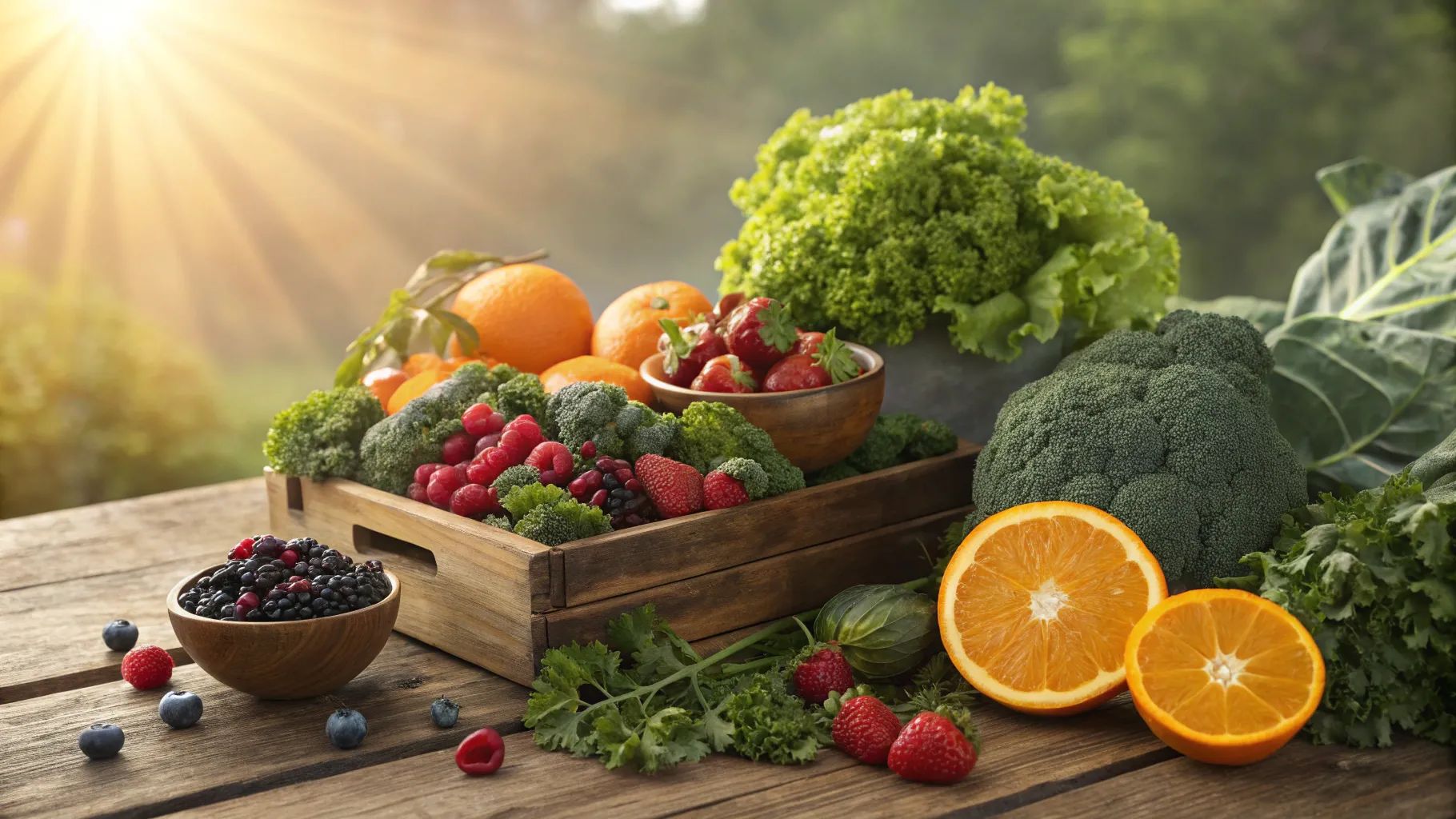
The Power of Fruits and Vegetables in Detoxification
Fruits and vegetables are not simply nutritious; they are pivotal for detoxifying the body and restoring it to a healthier state. Loaded with vitamins, minerals, and antioxidants, they play a crucial role in countering the oxidative stress caused by tobacco smoke, which can lead to various chronic health issues.
- Citrus Fruits: Oranges, lemons, and grapefruits stand out for their high vitamin C content. This antioxidant is renowned for its tissue repair capabilities and vital function in strengthening the immune system, which can be particularly important for those recovering from smoking.
- Leafy Greens: Spinach, kale, and other leafy greens are rich in vitamins A, C, and K. These nutrients are not just good for you; they are essential for lung health and play a significant role in the recovery process.
- Berries: Blueberries, strawberries, and raspberries are packed with antioxidants that help reduce inflammation and aid in the healing of lung tissue damaged by smoking. Research has indicated that these fruits can significantly promote recovery.
According to research from early 2025, individuals who increased their intake of fruits and vegetables after quitting smoking saw marked improvements in lung function within a mere six months. These nutrient-dense foods enhance the body’s ability to cleanse itself of toxins and effectively support the healing process.
How Fruits and Vegetables Contribute to Detoxification
Beyond their nourishing qualities, fruits and vegetables contain specific phytochemicals that provide a natural defense against carcinogens found in cigarette smoke. This additional layer of protection can significantly influence the recovery journey of an ex-smoker.
- Cruciferous Vegetables: Broccoli, cauliflower, and Brussels sprouts are abundant in glucosinolates, which have been shown to support liver function in detoxifying harmful substances from the body.
- Garlic: This flavorful bulb is well-known for its anti-inflammatory properties and potential links to reduced lung cancer risks. Incorporating garlic into your diet can be a simple yet effective way to promote lung health.
- Beets: Rich in betalains, beets bolster liver detoxification processes, making them an excellent choice for those navigating recovery post-smoking.
Nutritionists emphasize the importance of integrating these powerful foods into daily meals. A report from the American Lung Association in 2025 highlighted the positive correlation between high consumption of these detoxifying foods and a significant decrease in respiratory disease risks among former smokers.
The Role of Antioxidants in Reducing Smoking Effects
Antioxidants play a critical role in addressing oxidative stress—a major consequence of smoking. When there is an imbalance between free radicals and antioxidants, it can lead to cellular damage, particularly in lung tissues. Smokers already exhibit elevated free radical levels, contributing to a worsening of chronic conditions.
Several antioxidants have gained attention for their ability to mitigate the adverse effects of smoking. Consider adding these nutrients to your post-smoking diet:
- Vitamin C: Vital not only for immune health but also crucial for tissue repair, this vitamin should be a staple in the diets of recovering smokers.
- Vitamin E: Found in nuts, seeds, and leafy greens, vitamin E is essential for protecting cell membranes from oxidative damage.
- Selenium: Known for its detoxification support, selenium, found in foods like Brazil nuts, may also lower the risk of lung cancer.
A recent study published in early 2025 showed that ex-smokers who incorporated these antioxidants into their diets reported feeling healthier and experienced significantly fewer respiratory issues compared to those who did not.
Vital Vitamins for Smoking Recovery
The journey towards recovery after smoking can be challenging, but adequate nutrition can bolster it immensely. Several vitamins are particularly beneficial for individuals seeking to heal from smoking-related damage:
- Vitamin A: Essential for maintaining lung health, a deficiency in this vitamin is often correlated with chronic lung diseases common in smokers.
- Vitamin D: Recent studies indicate that low levels of vitamin D may indeed exacerbate lung function issues, making its role in respiratory health critical.
- Omega-3 Fatty Acids: Found in fish and flaxseeds, these healthy fats are anti-inflammatory and can significantly support lung health.
Healthcare experts urge ex-smokers to focus on fortifying their diets with these vitamins, whether through natural food sources or dietary supplements. Not only do these vitamins facilitate recovery, but they are also protective against diseases commonly associated with smoking.
Transitioning from being a smoker to embracing a healthier lifestyle involves committing to intentional dietary changes. By incorporating whole foods rich in antioxidants, vitamins, and essential nutrients, individuals can effectively combat the negative effects of smoking. In 2025, the power of nutrition for detoxification and improving quality of life after smoking has never been more important.
Embarking on this journey of recovery requires dedication, but with the right foods, support, and mindset, the aspiration for a healthier, smoke-free life is within reach. Make these dietary adjustments today, and reap the benefits of a revitalized life ahead.
Remember, the road to recovery is not just about quitting smoking but also about embracing a holistic and health-focused lifestyle.
Authored by FreshLifeWire team