Discover Foods Causing Bloating and What to Avoid
Foods That Cause Bloating What Foods You Should Avoid
Bloating can be an uncomfortable and sometimes embarrassing experience for many people. A distended stomach, often accompanied by gas and discomfort, can arise from various food choices. Understanding what foods cause bloating is essential for those looking to maintain digestive health in 2025. Let's explore the top culprits that contribute to bloating and discuss how to navigate dietary choices effectively.
Bloating and What Foods You Should Avoid
Many foods may trigger bloating, which affects millions of individuals. According to recent surveys, nearly 30% of people report feeling bloated at least once a week. Certain foods, particularly those high in specific carbohydrates, can lead to excessive gas production and subsequent bloating. Here’s a closer look at some of the main offenders:
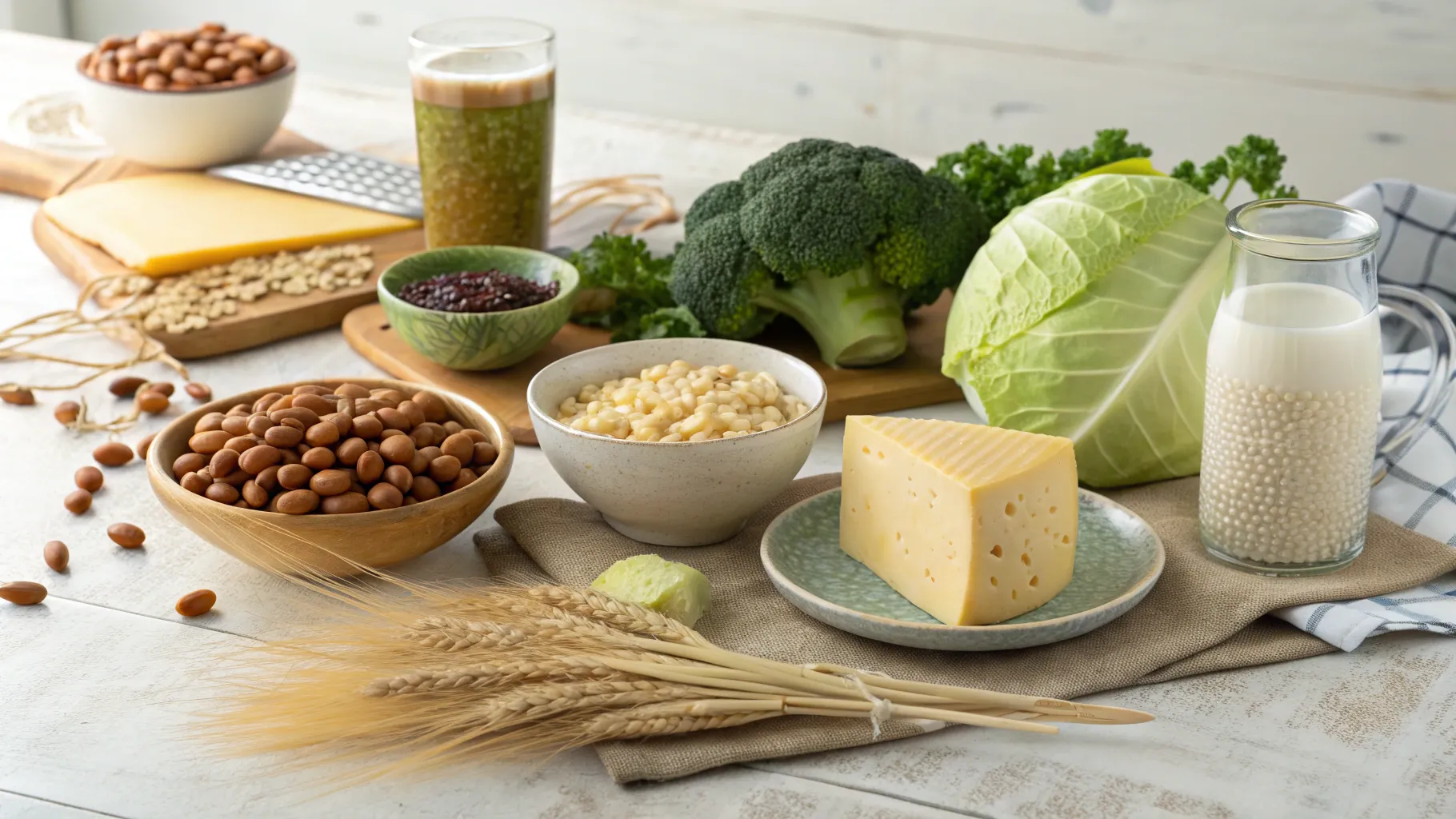
- Legumes: Beans, lentils, and chickpeas are notorious for making people feel bloated. These foods contain oligosaccharides, which are complex carbohydrates that the human body struggles to digest. When they reach the large intestine, bacteria ferment these sugars, producing gas as a byproduct.
- Dairy Products: Milk, cheese, and yogurt can cause bloating for those who are lactose intolerant. This condition affects an estimated 65% of the world's population and leads to difficulty digesting lactose, the sugar found in milk.
- Cruciferous Vegetables: Broccoli, cauliflower, and cabbage belong to the cruciferous family and can exacerbate bloating. While they are packed with nutrients, they also contain sulfur compounds and fiber that can lead to gas production when digested.
- Processed Foods: Foods high in sodium supplements, preservatives, and artificial flavorings can contribute to water retention, making you feel more bloated. Snack foods and ready-made meals often fall into this category, so it’s wise to check labels carefully.
- Carbonated Drinks: Soft drinks and sparkling water may introduce carbon dioxide gas to your digestive system, which can lead to bloating. Even health-conscious individuals should watch their intake of fizzy beverages.
Real-World Examples Of Bloating Inducing Foods
Consider Sarah, a 32-year-old teacher who recently switched her diet to include more healthy foods. She started adding legumes to her salads and snacking on cheese, thinking these choices were wholesome. However, she began experiencing significant bloating and discomfort. After consulting with a nutritionist, Sarah learned about how her newly introduced foods could be affecting her digestion. By gradually reducing her legume intake and opting for lactose-free dairy products, she found relief from her bloating symptoms.
Similarly, many individuals frequently consume salads loaded with cruciferous veggies and dressings high in sugar and preservatives. A local restaurant owner reported that her salads, which were once considered a healthy option, frequently received complaints about the post-meal bloating that patrons experienced. Responding to this feedback, she began offering lighter salad options with less cruciferous content and house-made dressings without preservatives.
In the realm of beverages, the rise of fizzy flavored waters has been a recent trending topic. However, many consumers may not realize the bloating these drinks can cause. A recent survey indicates that 25% of consumers reported discomfort after consuming sparkling beverages, leading the trend to fade as awareness grew about their side effects.
Intolerances and Sensitivities
It’s important to distinguish between food intolerances and allergies. Although lactose intolerance is common, a significant number of people also report issues with gluten—a protein found in wheat, barley, and rye. Recent statistics show that gluten intolerance affects around 1% of the global population with an even larger number experiencing non-celiac gluten sensitivity. Individuals struggling with gluten may experience bloating, fatigue, and digestive discomfort upon consuming wheat-based products.
Other potential intolerances include FODMAPs (fermentable oligosaccharides, disaccharides, monosaccharides and polyols) found in many fruits and vegetables, including onions, garlic, and certain sweeteners. Individuals following a low FODMAP diet—often recommended for Irritable Bowel Syndrome (IBS) sufferers—prove that targeted dietary adjustments significantly alleviate bloating, with studies indicating an over 70% success rate.
Pro Tips for Reducing Bloating
If you are among the many who suffer from bloating, here are some strategies to consider in your daily routine:
- Mind Your Portions: Eating smaller, more frequent meals can ease the digestive process, reducing the likelihood of bloating.
- Stay Hydrated: Drinking plenty of water aids digestion and helps flush excess sodium from the body, reducing bloating.
- Chew Thoroughly: Taking time to chew your food well before swallowing can lessen the air you swallow, reducing gas buildup and bloating.
- Identify Triggers: Keeping a food diary can help you determine which foods consistently lead to bloating. Adjust your diet accordingly.
- Incorporate Probiotics: Foods such as yogurt, sauerkraut, and kombucha contain beneficial bacteria that can improve gut health, potentially easing symptoms of bloating.
By being aware of the foods that cause bloating and implementing small changes, you can find significant relief and enjoy your meals without discomfort. Remember that everyone’s body is different, and experimenting with food choices is essential in discovering what works best for you.
Authored by FreshLifeWire team