Fluorocarbon Lines for Sale Choosing the Best Fishing Line
Fluorocarbon Lines for Sale: Your Ultimate Guide to Choosing the Right Fishing Line
Fishing is one of the most popular outdoor activities, and having the right gear is crucial for success. Among the essential tools every angler should consider is their fishing line. In 2025, one particular type of line, fluorocarbon, continues to gain popularity among fishermen for its unique advantages. This article delves into the benefits of fluorocarbon lines compared to monofilament and braid, provides insights on how to choose the perfect fluorocarbon line, and highlights some of the top fluorocarbon lines for bass fishing.
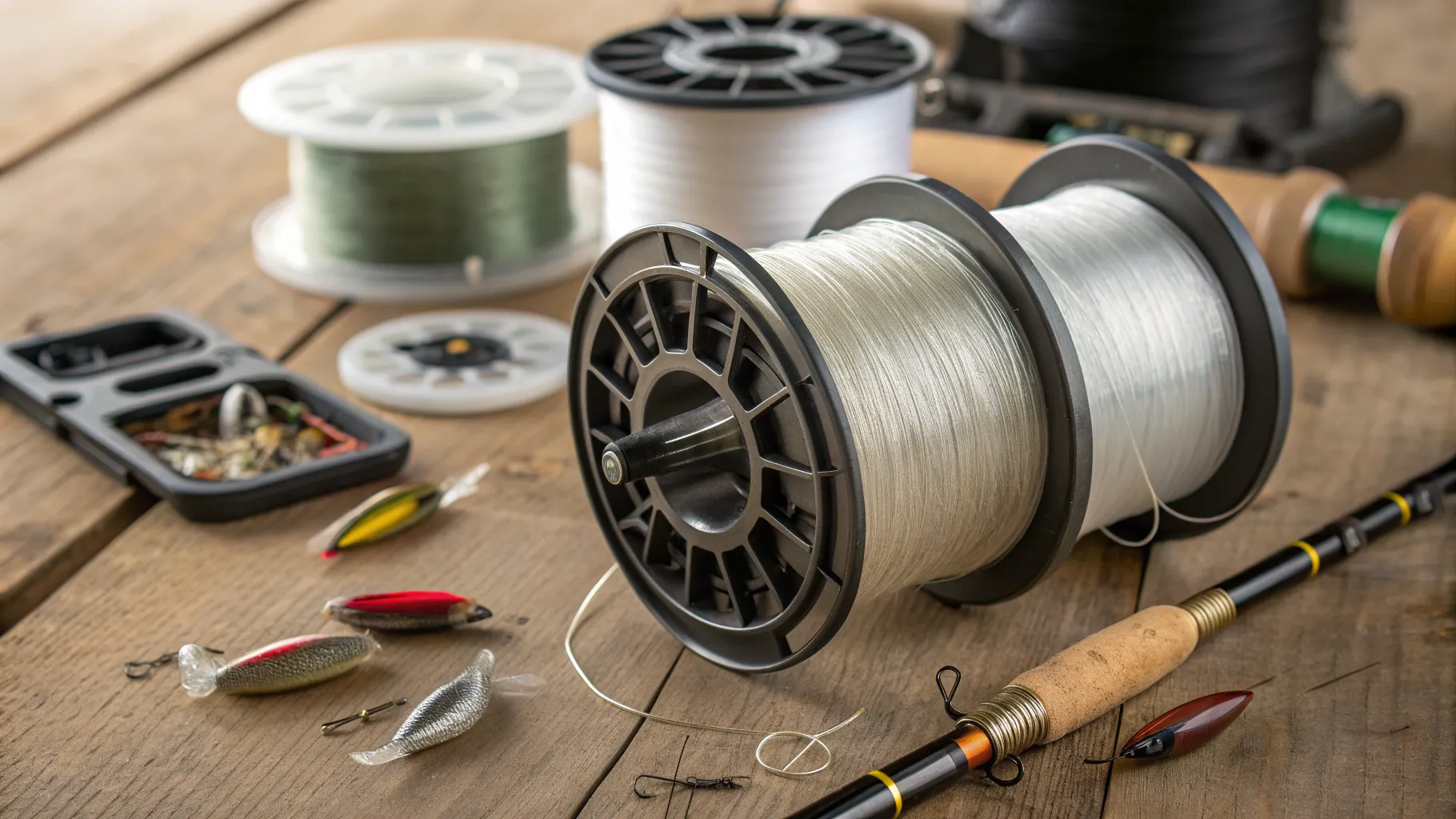
Fluorocarbon vs Monofilament vs Braid: Understanding Your Options
To make an informed decision about your fishing line, it's essential to understand the differences between fluorocarbon, monofilament, and braid. Each type of line comes with its own set of characteristics that make it suitable for different fishing conditions.
- Fluorocarbon Line: Made from polyvinylidene fluoride, fluorocarbon is famous for being nearly invisible underwater. Its low visibility makes it ideal for wary fish. Moreover, fluorocarbon lines have a higher density than water, allowing them to sink faster, which is beneficial when targeting species that lurk below the surface. Additionally, fluorocarbon is abrasion-resistant, making it suitable for fishing in rocky areas.
- Monofilament Line: This type of line is made from a single strand of nylon, offering a stretchy quality that can be advantageous for absorbing shock during a catch. However, monofilament has a tendency to degrade over time, especially when exposed to UV light, making it less durable than fluorocarbon. Its buoyancy can also be a disadvantage when targeting deeper waters.
- Braid Line: Braid fishing lines are made from multiple strands of nylon or other synthetic fibers tightly woven together. Braid is notably strong, thin, and sensitive, providing great feel when a fish bites. However, its visibility can be a drawback in clear waters compared to fluorocarbon.
In essence, choosing between fluorocarbon, monofilament, and braid depends on the fishing conditions and target species. Understanding these differences can help you make the best choice for your tackle box.
Fluorocarbon Line Benefits: Why You Should Use It
Fluorocarbon lines are increasingly recommended by professionals and avid fishermen alike, mainly because of the numerous benefits they offer. Below are some of the key advantages of using fluorocarbon fishing lines:
- Low Visibility: One of the standout features of fluorocarbon is its near-invisibility in water. This is crucial when fishing in clear waters, as a visible line can scare away potential catches.
- Exceptional Abrasion Resistance: Fluorocarbon lines are robust and resistn wear and tear, especially useful when fishing in structures or heavy cover areas.
- UV Resistance: Unlike monofilament, fluorocarbon does not degrade with exposure to sunlight. This longevity means fewer line replacements and more time on the water.
- Lower Stretch: With less elasticity than monofilament, fluorocarbon provides increased sensitivity. Anglers can feel the slightest nibble, enhancing their catch rates.
With the right fluorocarbon line, anglers can significantly improve their fishing success across various environments.
How to Choose the Right Fluorocarbon Line
Selecting the right fluorocarbon line is crucial for optimizing your fishing experience. Here are some factors to consider:
- Test Strength: This refers to the line's quality and how much weight it can handle without breaking. Choose a line with a test strength that matches or slightly exceeds your target species' expected size.
- Diameter: The thinner the line, the less visible it is in water, but also the less strength it generally has. Striking a balance between visibility and strength is crucial based on your fishing conditions.
- Type of Fishing: Consider what fishing technique you will use. For instance, if you need a line that sinks quickly for deep-water fishing, select a higher density fluorocarbon line.
- Brand Reputation: Broadly respected brands like Seaguar, Sunline, and P-Line offer a variety of fluorocarbon lines with great reviews. It’s wise to stick to reputable names that stand behind their products.
Taking these factors into account will ensure you choose the best fluorocarbon line for your fishing needs.
Top Fluorocarbon Lines for Bass Fishing
As bass fishing remains one of the most popular types of fishing, many anglers are on the lookout for the best fluorocarbon lines on the market. Here are some top choices available in 2025:
- Seaguar Tatsu: This premium line is known for its outstanding clarity, sensitivity, and durability. Tatsu is a top choice for serious anglers targeting bass in clear water.
- Sunline FC Sniper: Renowned for its strength-to-diameter ratio, the FC Sniper line offers high sensitivity and excellent casting distance, making it a favorite among bass fishermen.
- P-Line Floroclear: This economical option is well-regarded for its balance of visibility and strength, perfect for those who want quality without breaking the bank.
Choosing any of these fluorocarbon lines can markedly improve your chances of landing trophy bass. Whether you're fishing in lakes, rivers, or reservoirs, the right line type can make all the difference.
As we enter an era where precision in fishing gear is paramount, using fluorocarbon lines can provide a competitive edge. The advantages of using virtually invisible lines increase the chances of hooking a fish. Invest in the right fluorocarbon line today and elevate your fishing game to new heights.
Authored by FreshLifeWire team