Flatbed Trailer Prices in 2025 and Key Influencing Factors
Understanding Flatbed Trailer Prices in 2025
As we dive into 2025, flatbed trailers continue to be a cornerstone of the transport industry. These versatile trailers are not only popular for their adaptability but also for their evolving prices influenced by a variety of factors. Understanding what affects trailer price changes is essential for fleet owners and buyers alike. In this article, we will explore the dynamic landscape of flatbed trailer prices in 2025, the role of trailer design in durability, material improvements that enhance safety, and how weather impacts maintenance.
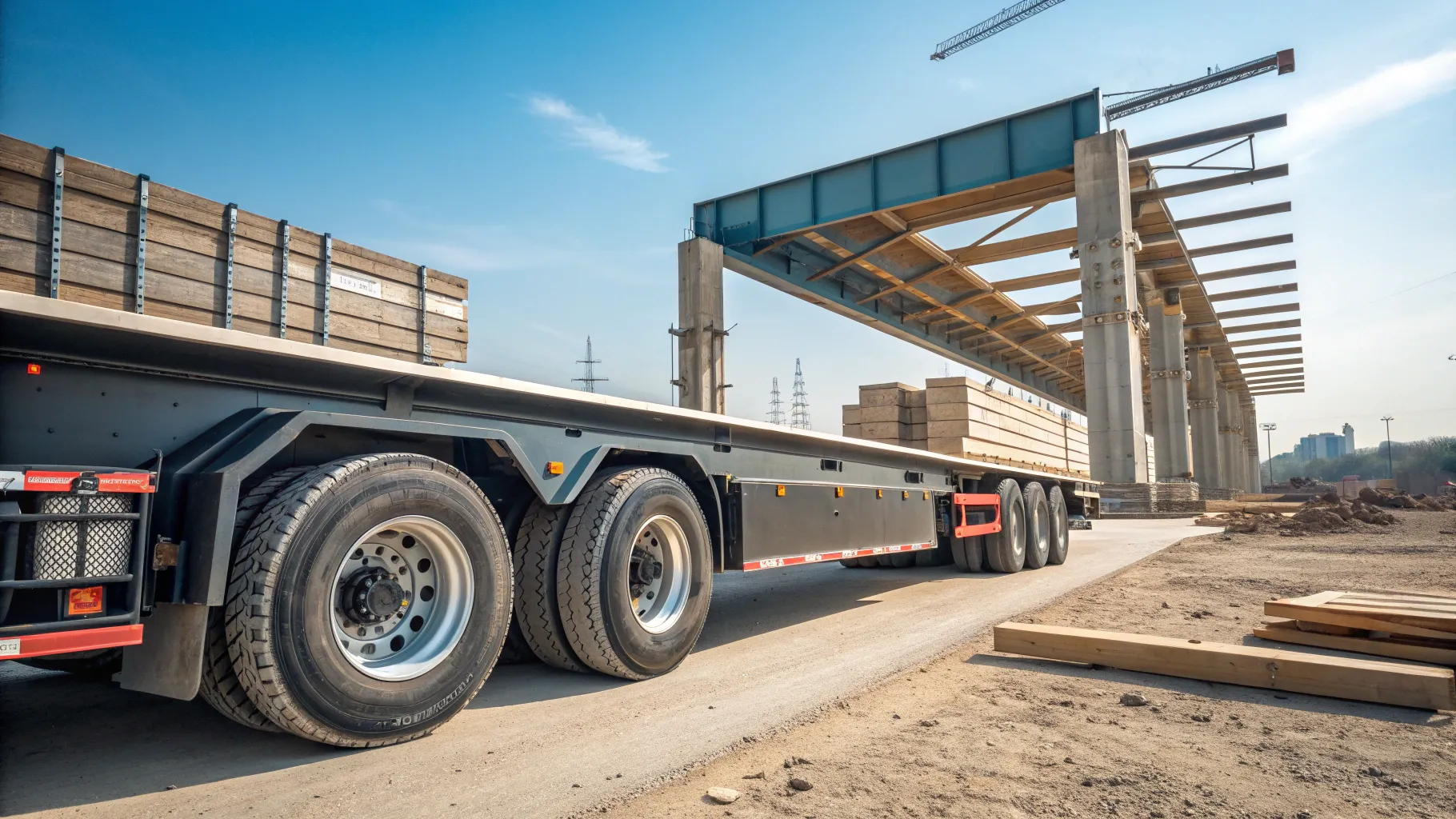
Factors Affecting Flatbed Trailer Prices
The price of flatbed trailers in 2025 is driven by several interrelated factors. Here’s a closer look at the primary influences:
- Supply Chain Constraints: The ongoing global supply chain issues have led to fluctuations in material costs. Steel prices have seen a significant increase due to production slowdowns and shipping delays, impacting the overall cost of trailers.
- Demand in the Transport Industry: The demand for flatbed trailers continues to rise as e-commerce and construction industries ramp up their operations. This increased demand can lead to higher prices, as manufacturers and suppliers adjust their offerings to meet market conditions.
- Technological Advancements: The incorporation of advanced technologies, such as telematics and safety features, contributes to higher prices. Trailers equipped with smart features are often more expensive but offer improved efficiency and reliability.
In the first half of 2025, average flatbed trailer prices have seen a rise of approximately 8% compared to the previous year. This increase can be attributed largely to material shortages and heightened production costs. Statistically, a basic flatbed trailer now costs between $30,000 to $50,000, depending on size and configuration.
Trailer Design and Durability
Another significant factor influencing flatbed trailer prices is the design and engineering involved in their construction. Modern flatbed trailers are built to last, designed with durability in mind to withstand harsh transport conditions. Here are some aspects of trailer design that enhance longevity:
- Frame Construction: Steel and aluminum are the most commonly used materials in flatbed trailer design. Steel frames offer strength, while aluminum frames provide lighter weight and corrosion resistance.
- Enhanced Suspension Systems: Advanced suspension systems contribute to better load distribution and improved ride quality, minimizing wear and tear on the trailer over time.
- Corners and Cross Members: Innovative corner shapes and reinforced cross members enhance structural integrity, allowing trailers to handle heavier loads without compromising safety.
For instance, a leading manufacturer reported that their reinforced flatbed trailers have a lifespan of up to 20% longer than standard models. This longevity can lead to lower total cost of ownership over time, making the initial investment worthwhile despite higher upfront costs.
Popularity of Flatbed Trailers in Transport
Flatbed trailers have gained immense popularity in the transport sector, largely due to their versatility. Unlike enclosed trailers, flatbeds can accommodate a wide range of cargo, from construction materials to oversized machinery. Their open design enhances loading and unloading efficiency, crucial in sectors where time is of the essence.
The ability to transport a variety of loads makes flatbed trailers indispensable in industries such as construction, agriculture, and logistics. For example, construction firms frequently use flatbeds to transport steel beams, lumber, and other large items that wouldn’t fit in standard enclosed trailers. This adaptability not only simplifies logistics but also reduces operational costs.
Additionally, the rise in modular construction practices, where buildings are constructed off-site and then transported, has further solidified the role of flatbed trailers in logistics. These trends point towards continued demand and, consequently, stable pricing for flatbed trailers.
Materials That Improve Trailer Safety
Safety is paramount in the transport industry, and flatbed trailers are no exception. Recent advancements in materials used in their construction have significantly enhanced trailer safety. Here are several developments:
- High-Tensile Steel: This material provides superior strength and minimizes the risk of deformation under heavy loads, ensuring a safer transport.
- Anti-Slip Coatings: Trailers now often come with surfaces treated for anti-slip properties, crucial for preventing cargo from shifting during transit.
- Reflective Materials: Improved visibility for trailers using reflective coatings during low-light conditions has become a key safety feature that many manufacturers are incorporating.
These material innovations not only help in enhancing the safety of the loads transported but also aid in maintaining compliance with increasingly stringent safety regulations. In recent trade reports, it was noted that trailers equipped with these advancements saw a 15% reduction in accidents and safety incidents.
Weather Impacting Trailer Maintenance
The maintenance of flatbed trailers is also dictated by weather conditions. In regions experiencing severe weather patterns, maintaining these trailers can become a challenge. Here’s how weather influences maintenance needs:
- Rust and Corrosion: Frequent exposure to rain and snow can lead to rust if proper protective coatings are not applied. Owners must ensure regular inspections and timely maintenance to combat corrosion.
- Temperature Fluctuations: Extreme heat can affect tire pressure and material flexibility, leading to quicker wear. In contrast, cold temperatures can affect brakes and couplings.
- Debris from Storms: Heavy winds and storms often leave debris which can damage trailers, necessitating thorough checks post-storm.
Many transport companies are now adopting seasonal maintenance routines to proactively address these weather-related issues, which can extend the lifespan of their trailers significantly. In fact, reports indicate that companies practicing rigorous seasonal maintenance have seen a reduction in repair costs by up to 20%.
In summary, flatbed trailer prices in 2025 are not solely a function of market demand but rather influenced by a complex web of factors including supply chain dynamics, trailer design, material innovations, and environmental conditions. As technology advances and the economic landscape evolves, staying abreast of these elements will be key for anyone involved in the transport industry.
Authored by FreshLifeWire team