Firefighter Salary and Lifestyle in Australia Explained
Salary Overview for Firefighters in Australia
Firefighting is a noble profession that requires bravery, resilience, and unwavering dedication. If you’re considering this career path in Australia, one of the first questions you might have is about the salary. As of 2025, firefighters in Australia earn varying salaries depending on their experience, location, and whether they work full-time or part-time.
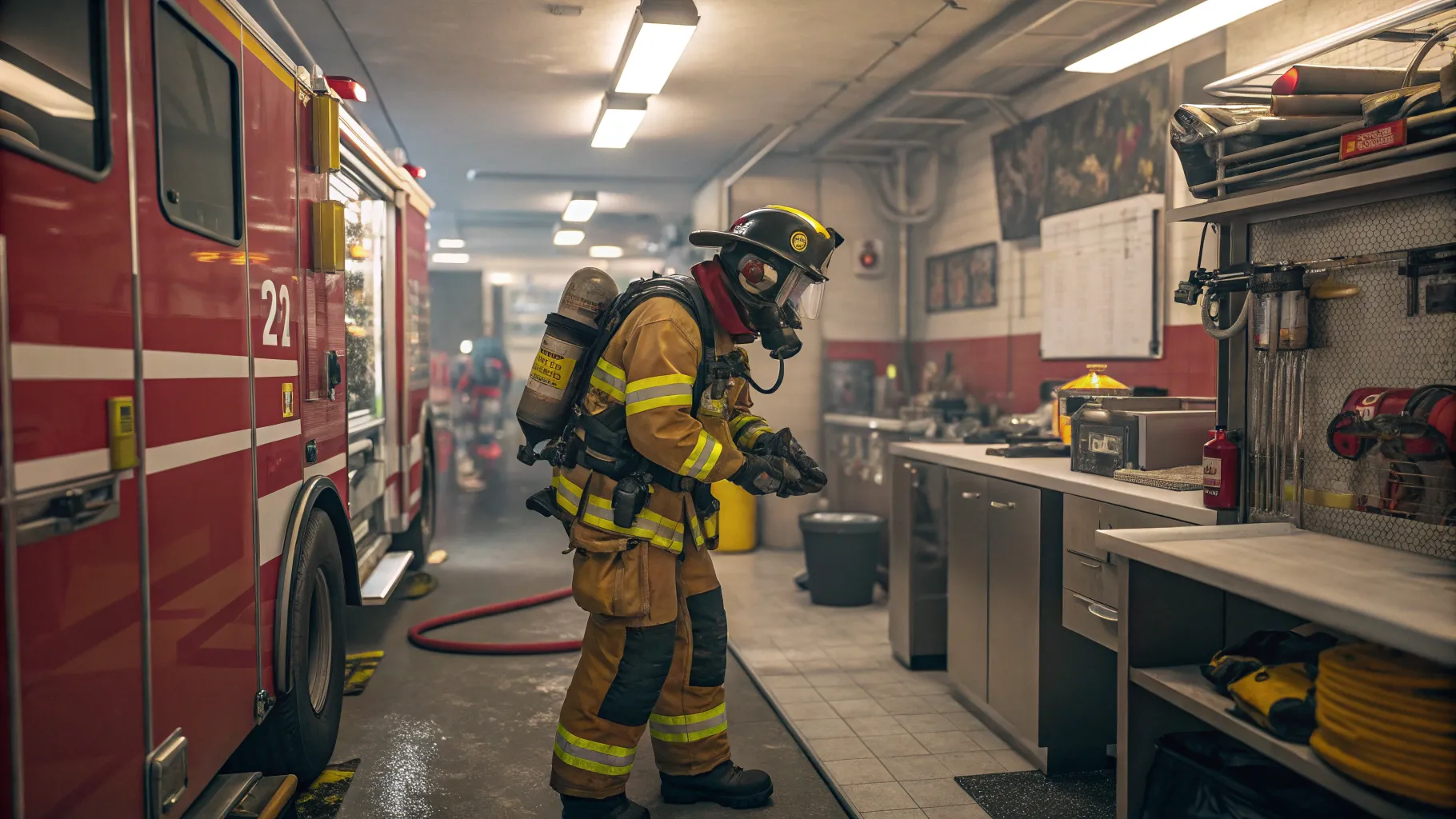
On average, a full-time firefighter earns around AUD 75,000 to AUD 90,000 per year. Senior firefighters and those in leadership roles can make significantly more, with salaries reaching up to AUD 120,000 annually. For example, the role of a Fire Chief or a District Officer comes with responsibilities that also bring higher compensation.
For part-time firefighters, the salary tends to vary widely based on the number of shifts worked. Most part-time firefighters might earn around AUD 30 to AUD 50 per hour. With overtime, especially during severe fire seasons, this can add up to a significant annual income, especially for those who commit to extra hours.
Lifestyle of Australian Firefighters
The lifestyle of firefighters in Australia is as dynamic as the job itself. Firefighters are known for having a physically demanding and unpredictable work environment. Their shifts can range from 10 to 14 hours, and they often work on a rotating schedule, which includes nights, weekends, and holidays. This shift work can be both rewarding and challenging, as it allows firefighters to have extended time off but can disrupt typical work-life balance.
Many firefighters cherish the camaraderie and strong community bonds formed within their teams. Training and operations often require teamwork, helping cultivate lasting friendships. They take pride in their work, knowing they make a significant impact on community safety and emergency response.
However, the lifestyle can be taxing. The emotion involved in responding to fires and emergencies carries psychological burdens that can affect mental health. Thankfully, many firefighting organizations in Australia are increasingly prioritizing mental health initiatives, offering support and resources for their personnel.
Work-Life Balance for Firefighters
Balancing work and life as a firefighter can be complex due to the demanding nature of the job. Many firefighters find it necessary to develop strong personal routines and communication strategies with their families to manage the unpredictability of emergency calls and shift schedules. Some fire stations have adopted flexible schedules to assist their personnel, allowing them to adjust work hours according to family or personal needs.
Additionally, physical fitness plays a vital role in a firefighter's daily routine. Maintaining optimal health is crucial not just for the job but also for personal well-being. Firefighters often participate in regular training and fitness programs to prepare for the physical demands of firefighting. This aspect of their lifestyle encourages a good work-life balance as fitness activities can serve as a healthy stress relief outlet.
Requirements to Become a Firefighter in Australia
If you are interested in pursuing a career as a firefighter, there are specific requirements you must meet. Firstly, most firefighting services in Australia require candidates to be at least 18 years old and possess a valid driver's license. Potential recruits typically must complete a series of tests that assess their physical fitness, aptitude for emergency response, and psychological readiness.
Education-wise, while a high school diploma is the basic requirement, many firefighters pursue additional qualifications related to emergency services or health sciences. Candidates will also undergo extensive training programs upon employment, which could last up to six months. This training includes practical firefighting skills, rescue techniques, and first aid, equipping them with the necessary skills to handle emergencies effectively.
Most importantly, successfully completing a probation period is essential to securing full-time status. During this time, prospects are assessed on their performance and adaptability to the work culture within the fire service.
Part-Time Firefighters: A Flexible Option
For those who may be balancing other career pursuits or personal commitments, becoming a part-time firefighter can be a great option. Part-time roles, often called "retained" firefighters, enable individuals to work as emergency responders while maintaining flexibility in their schedules. This arrangement can be particularly appealing for students, parents, and those in other professions.
Part-time firefighters are thoroughly trained and enjoy the same duties as full-time staff but on an as-needed basis. They play critical roles in their communities, especially in rural and regional areas where full-time firefighters may not be present. Despite the job's challenges, many find it immensely rewarding, strengthening local safety while developing personal skills and resilience.
Overall, whether full-time or part-time, firefighters lead a life of service that is both challenging and fulfilling. Their salaries reflect the responsibilities they take on, while their lifestyle embodies community spirit and courage. In 2025, as we continue to face environmental challenges including increasing bushfire risks, the role of firefighters remains ever crucial in safeguarding our communities.
Choosing to become a firefighter means embracing a life of adventure, teamwork, and unwavering service to the community. It’s a commitment that not only pays well but enriches lives in countless ways.
Authored by FreshLifeWire team