Fatty Liver Disease Symptoms and Effective Treatment Guide
Understanding Fatty Liver Disease Symptoms
Fatty liver disease, primarily recognized as Nonalcoholic Fatty Liver Disease (NAFLD), is increasingly becoming a pressing health concern across the globe. As of now, studies indicate that nearly 25% of adults worldwide are diagnosed with this condition, marking a significant rise in prevalence. This disorder involves an overabundance of fat accumulated in the liver cells, leading to inflammation and potential damage. Awareness of fatty liver symptoms in females is vital for early detection and effective management of this condition.
Recognizing the Symptoms of Fatty Liver Disease
Initially, the symptoms associated with fatty liver disease can be quite subtle, often going unnoticed until the disease has progressed to a more severe stage. Most individuals report no clear symptoms during the early phases of the illness. However, understanding the imminent signs is essential, especially for females who may carry unique risk factors. Here are some prevailing symptoms:
- Fatigue: Persistent fatigue is often one of the first indicators of fatty liver disease. Patients frequently express feelings of tiredness even after a full night’s sleep.
- Abdominal Discomfort: Individuals may experience a vague discomfort or dull ache in the upper right quadrant of their abdomen, where the liver resides.
- Unexplained Weight Loss: As the body struggles to properly metabolize fats and sugars, unexplained weight loss can occur, representing an alarming symptom of advancing liver dysfunction.
- Jaundice: Yellowing of the skin and eyes can develop as the liver's ability to process bilirubin is compromised due to excessive fat accumulation.
Given that females may be more susceptible to this condition due to factors such as hormonal changes and variations in metabolic rate, it's crucial for women to stay alert to these symptoms and seek medical advice if they arise.
Exploring the Causes of Fatty Liver Disease
Fatty liver disease can stem from an array of factors, heightening the need to understand the root causes associated with this condition:
- Obesity: As a primary contributor, being overweight can lead to significant fat accumulation in the liver, putting individuals at risk.
- Diabetes: Those with insulin resistance or diagnosed with Type 2 diabetes face substantially increased risks for developing NAFLD.
- High Cholesterol and Triglycerides: These lipid abnormalities can further aggravate fatty liver disease, worsening liver health.
- Metabolic Syndrome: This condition, characterized by a combination of high blood pressure, high blood sugar, and abnormal cholesterol levels, raises the likelihood of fatty liver disease significantly.
Recent statistics reveal that nearly 40% of individuals suffering from obesity also grapple with fatty liver disease, illustrating the interconnection between lifestyle choices and health risks. This underscores the importance of maintaining a balanced diet along with regular physical activity.
Is Fatty Liver Dangerous?
Many individuals ponder the dangers posed by fatty liver disease. The severity of the condition plays a critical role in determining its risks. Simple fatty liver (steatosis) is typically a benign state, but it can evolve into nonalcoholic steatohepatitis (NASH), and potentially progress to cirrhosis or even liver cancer over time. Recent findings indicate that approximately 25% of patients diagnosed with NASH may see their condition deteriorate to cirrhosis within a decade.
Moreover, fatty liver disease is frequently associated with increased risks of other health complications, notably cardiovascular diseases. Recent studies report that individuals with fatty liver disease experience a 50% higher chance of heart disease, thereby highlighting the integral need for proactive management and therapeutic interventions.
Effective Treatment and Management Strategies
When it comes to managing fatty liver disease, the primary focus often centers on lifestyle modifications aimed at addressing the underlying causes. Here are some strategies that have proven effective:
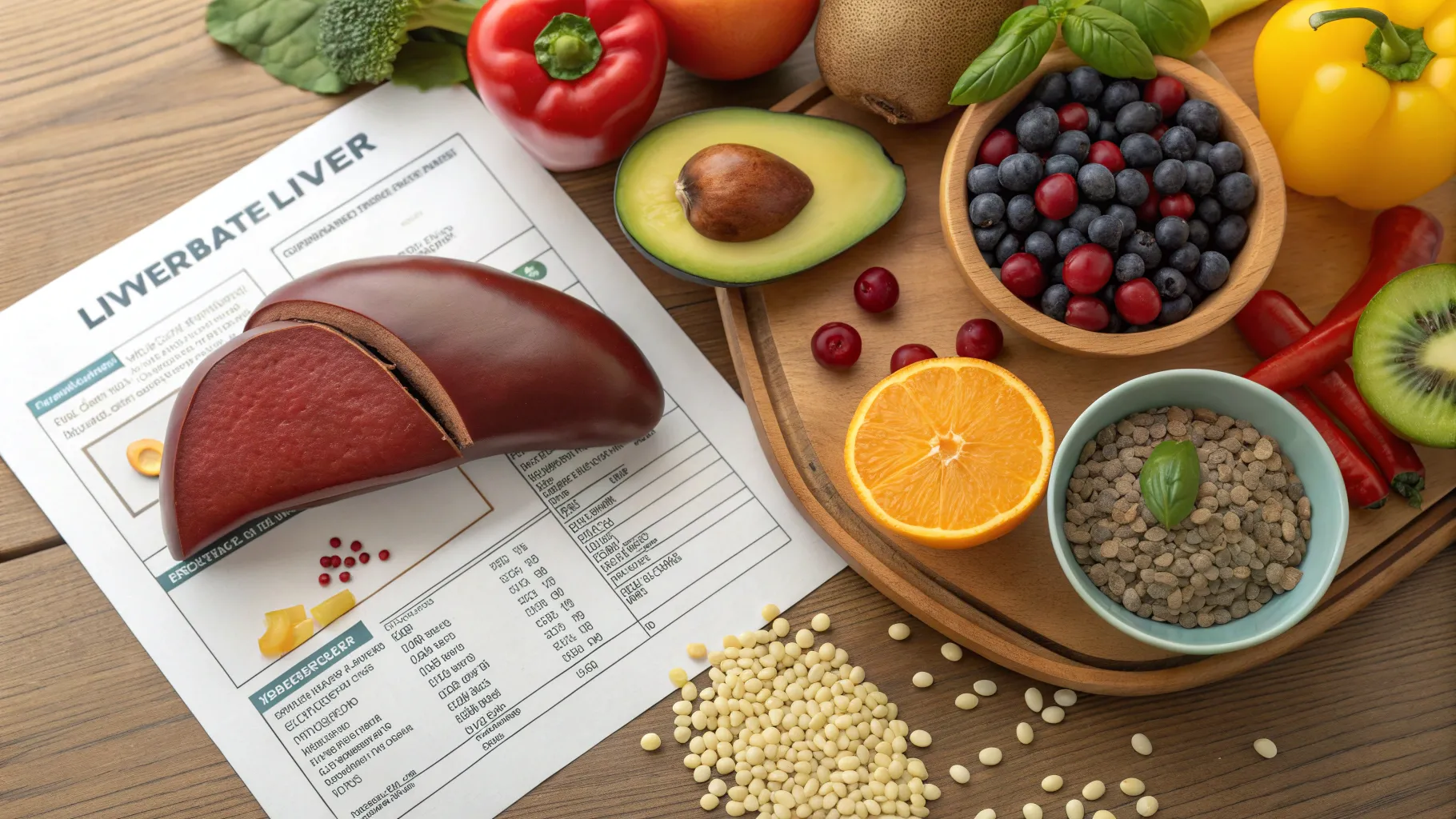
- Fatty Liver Diet: Implementing a nutritious, well-balanced diet is crucial. Emphasizing the intake of fruits, vegetables, whole grains, and healthy fats—such as those from avocados and nuts—can provide significant benefits. Reducing sugar consumption and steering clear of refined carbohydrates are also vital steps toward managing the condition.
- Regular Exercise: Engaging in moderate physical exercise for a minimum of 150 minutes each week helps in diminishing liver fat levels. Activities such as walking, swimming, and cycling are excellent options for enhancing overall health.
- Weight Management: Shedding as little as 5% of body weight can lead to considerable improvements in liver function and a reduction in liver fat. For those classified as obese, more substantial weight loss may be necessary.
- Medication: In some scenarios, healthcare providers may prescribe medications designed to manage coexisting conditions, such as diabetes and high cholesterol, which may intensify fatty liver conditions.
Education regarding fatty liver disease and its related risks remains paramount, particularly for women who may have heightened predispositions to this ailment. Regular check-ups and liver function tests are highly recommended, especially when symptoms are present.
How to Reduce Fatty Liver
To mitigate the risks associated with fatty liver disease and manage already existing conditions, individuals should embrace comprehensive lifestyle changes:
- Stay Hydrated: Drinking sufficient water is essential for optimal liver function. Aim for a minimum of eight 8-ounce glasses daily.
- Avoid Alcohol: Alcohol consumption can aggravate liver problems significantly. Even moderate drinking may worsen fatty liver disease.
- Regular Monitoring: Staying in touch with healthcare providers for routine liver function tests enables individuals to closely monitor their condition and adapt treatment plans accordingly.
In summary, while fatty liver disease poses significant health risks, early recognition and diligent management can avert potential complications. By being aware of the symptoms, understanding the underlying causes, and exploring effective treatment options, individuals—especially women—can take proactive steps towards ensuring better liver health.
Authored by FreshLifeWire team