Fast Acting Pet Safe Natural Weed Killer Recipes for a Healthy Garden
Facts:
- Many commercial herbicides contain glyphosate.
- The trend for non-toxic DIY garden solutions is rapidly growing among homeowners.
Why Choose Homemade Weed Killers for a Safe and Healthy Yard
Keeping a garden pristine often feels like a constant battle against invasive weeds. For households with pets and children, or for those simply wishing to be more environmentally conscious, the use of harsh chemical herbicides is not an option. This is where the power of homemade solutions comes into play. Creating your own fast acting diy weed spray not only gives you complete control over the ingredients but also ensures a safer environment for your loved ones. These natural weed killer recipes are often crafted from common household items, making them both affordable and accessible. The goal is effective weed control without compromising the health of your soil, your pets, or your family, achieving true pet safe lawn clearing.
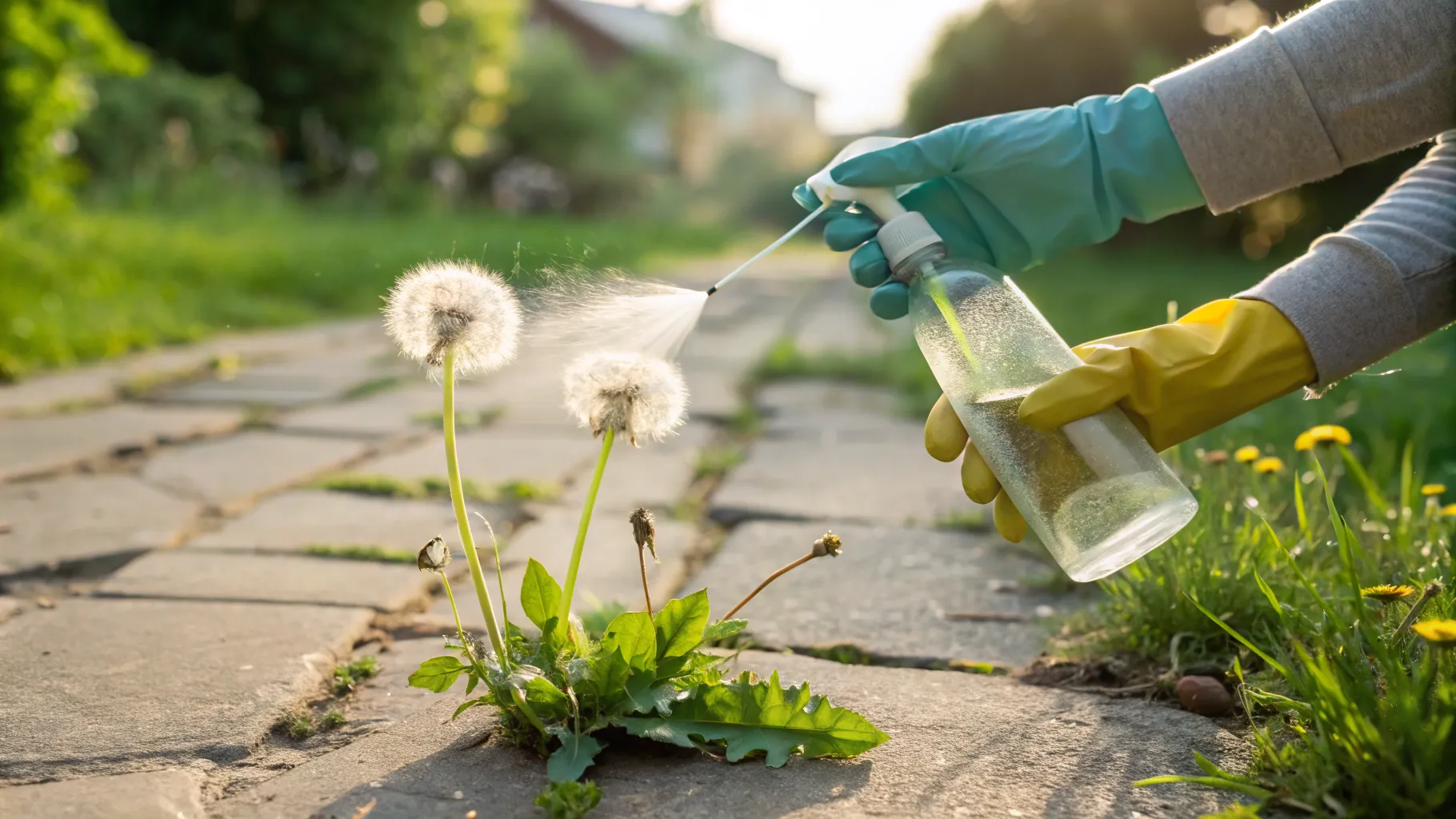
The Best Fast Acting Pet Safe Natural Weed Killer Recipes
Forget the chemical aisle at the hardware store. Your kitchen pantry holds the key to effective and safe weed management. These recipes are designed to work quickly and efficiently, especially on broadleaf weeds and those pesky plants that pop up in cracks and along pathways. Below are some of the most trusted and powerful natural weed killer recipes you can mix up today.
The Classic Vinegar and Salt Solution
This is arguably the most popular fast acting diy weed spray. The acetic acid in vinegar is a potent desiccant, meaning it draws moisture out of the plant's leaves, causing them to wither and die. Salt acts as a further dehydrating agent and can sterilize the soil temporarily, preventing regrowth. To create this mix, combine one gallon of white vinegar (use horticultural vinegar with 20% acetic acid for tougher weeds), one cup of salt, and one tablespoon of liquid dish soap. The soap helps the mixture stick to the weed's leaves. This is a perfect solution for organic pathway weed removal and clearing weeds from gravel driveways. Be cautious, as this mixture is non-selective and will harm any plant it touches, including your grass.
Boiling Water: The Simplest Method
It doesn't get more natural or cheaper than this. Simply boiling a kettle of water and carefully pouring it directly onto the weeds is an incredibly effective method, especially for weeds growing in pavement cracks or on patios. The extreme heat instantly destroys the plant's cell structure, killing it within hours. This is one of the ultimate home garden weeding hacks seniors can use, as it requires no mixing or bending, just careful pouring. It's completely safe for pets and the environment once it has cooled.
Corn Gluten Meal for Pre-Emergent Control
While most solutions are for killing existing weeds, corn gluten meal is a pre-emergent herbicide. It works by inhibiting the root formation of germinating seeds. This makes it an excellent choice for pet safe lawn clearing when applied in early spring before weed seeds like crabgrass and dandelions begin to sprout. It's completely non-toxic and even adds nitrogen to your lawn. It won't harm existing plants, so it's a fantastic preventative measure to use across your entire lawn and garden beds.
Application Tips for Maximum Effectiveness
Creating the perfect spray is only half the battle. How and when you apply your homemade weed killer can make all the difference between success and failure. To get the most out of your fast acting diy weed spray, follow these essential tips:
- Spray on a Sunny Day: The sun's heat accelerates the dehydration process caused by vinegar and salt solutions. Applying the spray during the hottest, sunniest part of the day will yield the fastest results.
- Avoid Windy Conditions: Your homemade spray is non-selective. Wind can cause the spray to drift onto your prized flowers or vegetables, causing unintended damage. Apply on a calm day to ensure precise targeting.
- Saturate the Weed: Don't be shy with the application. Thoroughly coat all leaves of the weed until the solution is dripping off. For tougher weeds with deep roots, multiple applications may be necessary.
- Protect Your Lawn: When performing organic pathway weed removal near your lawn, use a piece of cardboard as a shield to protect the grass from overspray.
Comparing DIY vs. Commercial 'Natural' Herbicides
The market for 'organic' and 'natural' weed killers has exploded, but how do they stack up against your homemade concoctions? Commercial natural products often use similar active ingredients, like high-concentration acetic acid, citrus oil, or soap salts. While convenient, they come at a much higher price point. Creating your own natural weed killer recipes offers significant cost savings. Furthermore, DIY methods provide absolute transparency—you know exactly what you're spraying in your yard. However, commercial products are formulated for stability and may have a longer shelf life. For many gardeners, especially those practicing home garden weeding hacks seniors appreciate, the cost-effectiveness and safety of a homemade spray are unbeatable.
Special Considerations for Pet-Safe Lawn Management
Achieving successful pet safe lawn clearing requires a holistic approach beyond just spraying weeds. The best defense against weeds is a thick, healthy lawn that leaves no room for invaders to take root. Ensure you are mowing your lawn high, as taller grass blades shade the soil and prevent weed seeds from germinating. Regular aeration and overseeding can fill in bare patches. Using natural mulches like wood chips or straw in garden beds is another fantastic way to suppress weeds, retain soil moisture, and create a safe environment for pets to explore. These strategies reduce the need for any kind of weed killer, creating a truly sustainable and low-maintenance garden.
Frequently Asked Questions
How quickly do these fast acting diy weed spray recipes work?
Most vinegar-based solutions will show visible wilting and browning within 24 hours, especially when applied on a hot, sunny day. Boiling water works almost instantly. Results can vary based on the type of weed and its maturity.
Are these natural weed killer recipes truly safe for dogs and cats?
Yes, once the application area is dry, these solutions are generally considered safe. The primary ingredients (vinegar, salt, soap, corn gluten) are non-toxic in the quantities used. However, it's always best practice to keep pets away from treated areas until they have fully dried to prevent ingestion or paw irritation.
Can I use these methods for pet safe lawn clearing without killing the grass?
Vinegar, salt, and boiling water are non-selective and will harm or kill grass. They are best used for organic pathway weed removal, sidewalk cracks, or clearing large patches you intend to re-seed. For weed control within a lawn, spot-treating individual weeds very carefully or using a pre-emergent like corn gluten meal is the recommended pet-safe approach.
References
- The Journal of Environmental Horticulture
- Purdue University Extension - Home Gardening Department
- National Gardening Association - Organic Practices
- Cornell University - Integrated Pest Management Program
Authored by FreshLifeWire team