Eyelid Dermatitis Causes Symptoms and Gentle Care Tips
Eyelid Dermatitis Causes
Eyelid dermatitis, characterized by inflammation of the skin on the eyelids, can stem from various causes, and understanding these triggers is crucial for effective management. Allergic contact dermatitis around the eyes occurs when the delicate skin of the eyelids reacts to certain substances. Common allergens include ingredients in skincare products, cosmetics, or even topical medications. For instance, many individuals are unaware that fragrances and preservatives in eye makeup can provoke an allergic reaction, leading to red, itchy, or flaky eyelids.
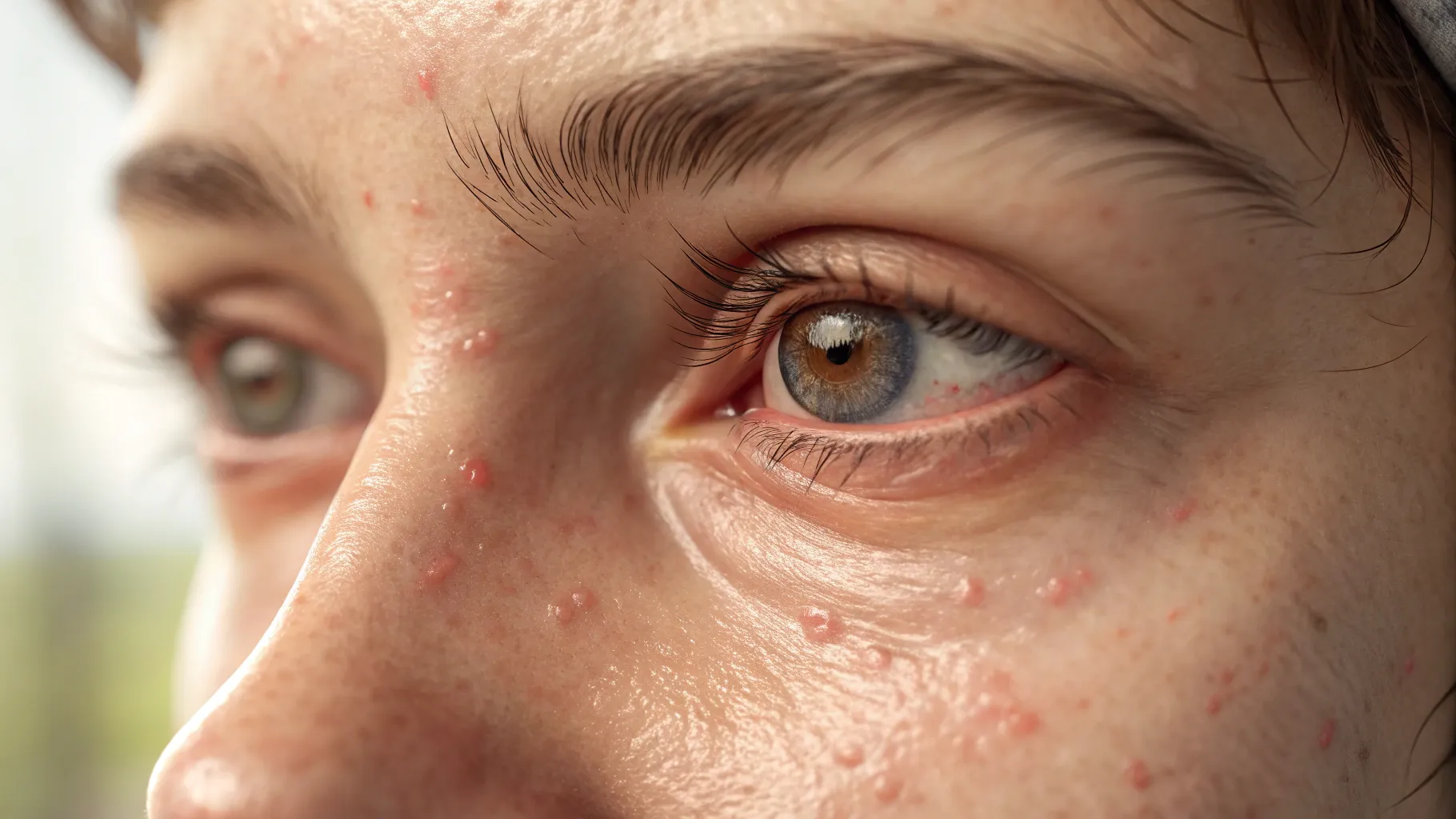
In addition to allergens, irritants such as soaps, shampoos, or even exposure to smoke or pollution can contribute to eyelid irritation. A recent survey showed that nearly 37% of people with eyelid dermatitis identified cosmetics as their primary trigger, reflecting the need for careful ingredient management.
Symptoms of Eyelid Dermatitis
The symptoms of eyelid dermatitis can vary significantly, but they commonly include redness, swelling, itching, and dryness around the eyes. Some individuals may also experience burning sensations or a stinging feeling when applying products near the eyelids, which can further complicate daily skincare routines. In more severe cases, the skin may crack or peel, leading to discomfort and potentially increasing the risk of infection.
Recognizing the symptoms early is vital. Many people mistakenly believe that eyelid dryness is a sign of aging or dehydration, which can delay appropriate treatment. The key indicators to watch for include:
- Persistent redness, especially after using a new product
- Peeling or scaling skin
- Swelling that appears suddenly
- Localized itching that disrupts daily activities
Common Triggers for Eyelid Irritation
Identifying the common triggers is essential for managing eyelid dermatitis effectively. Besides allergens found in makeup, there are several lifestyle habits that can worsen eyelid dermatitis, and it is crucial to be aware of them. Excessive rubbing or scratching of the eyes, often exacerbated by allergies or tiredness, can lead to further irritation. Such habits might seem innocuous but can escalate into significant inflammation.
Moreover, stress plays a substantial role in skin health. Stress can lead to increased sebum production or exacerbate existing skin conditions, doing your eyelids no favors. Studies indicate that individuals under chronic stress are more likely to report dermatitis flare-ups.
Environment also matters: prolonged exposure to sun without protective measures can damage sensitive eyelid skin, while extreme weather conditions, like excessive humidity or dryness, may contribute to flare-ups.
How to Care for Sensitive Eyelid Skin
Caring for sensitive eyelid skin requires a gentler approach than one might typically take with other areas of the face. When selecting products, look for those specifically marked as hypoallergenic or free from fragrances and harsh chemicals. Use mild, fragrance-free cleansers designed for sensitive skin to avoid stripping natural oils. Additionally, consider the following tips for maintaining healthy eyelid skin:
- Avoid harsh scrubs: Exfoliating products can be too abrasive for the delicate skin around the eyes.
- Moisturize regularly: Opt for soothing ointments or creams rich in ceramides or hyaluronic acid, which help retain moisture.
- Cool compresses: These can provide immediate relief from irritation and help reduce swelling.
- Patch testing: Always perform a patch test when introducing new products to check for potential allergies.
Daily Habits That Worsen Eyelid Dermatitis
Several daily habits can exacerbate eyelid dermatitis, and being mindful of them can lead to better outcomes. Firstly, using expired makeup or hygiene products can harbor bacteria and lead to infections. It's advisable to regularly check the shelf life of cosmetics, particularly those used around the eyes.
Additionally, failing to remove makeup before bed can create a barrier that leads to clogged pores and irritation. Always cleanse your face and eyelids gently to prevent buildup. Avoid sleeping with pets, as dander can also agitate sensitive skin.
Lastly, while it’s tempting to apply retinol or other anti-aging products near the eyes, these can be too harsh for the eyelid area. Stick to formulations specifically designed for sensitive skin around the eyes.
When to See a Dermatologist for Eyelid Rash
While many instances of eyelid dermatitis can be managed at home, it’s important to know when to seek professional assistance. If you experience persistent symptoms that do not improve with over-the-counter treatments, it’s essential to visit a dermatologist. Additionally, if eyelid symptoms are accompanied by swelling of the face, difficulty breathing, or spreading redness, you should seek immediate care.
Some patients have reported severe allergies that required prescription medications for management. A dermatologist can provide allergy testing and personalized care plans to help identify triggers and decide on the most effective treatment options.
Gentle Skincare for Eye Area Irritation
Implementing gentle skincare routines is paramount for those suffering from eyelid dermatitis. Products with natural ingredients, such as aloe vera or chamomile, can be soothing. It’s advisable to avoid products containing alcohol, which can dry out the skin further and exacerbate symptoms.
In the morning and evening, a gentle cleanse followed by the application of a hydrating balm can help. Eye creams with ingredients like peptides or botanical extracts are best as they nourish the eyelid skin without causing irritation.
As we all seek healthy, radiant skin, navigating eyelid dermatitis requires patience and care. By understanding the causes and taking proactive steps in our daily routines, we can protect our sensitive eyelids and minimize the impact of dermatitis on our lives.
Repairing the integrity of eyelid skin may take time, but the effort to prioritize gentle care is well worth it in the long run.
Authored by FreshLifeWire team