External Catheters: Features, Key Benefits and Applications
External catheters represent a crucial advancement in managing urinary incontinence, offering a less invasive and often more comfortable alternative to traditional internal catheters. These devices are designed to collect urine from outside the body, making them a preferred choice for many individuals. But what are external catheters and how do they work?
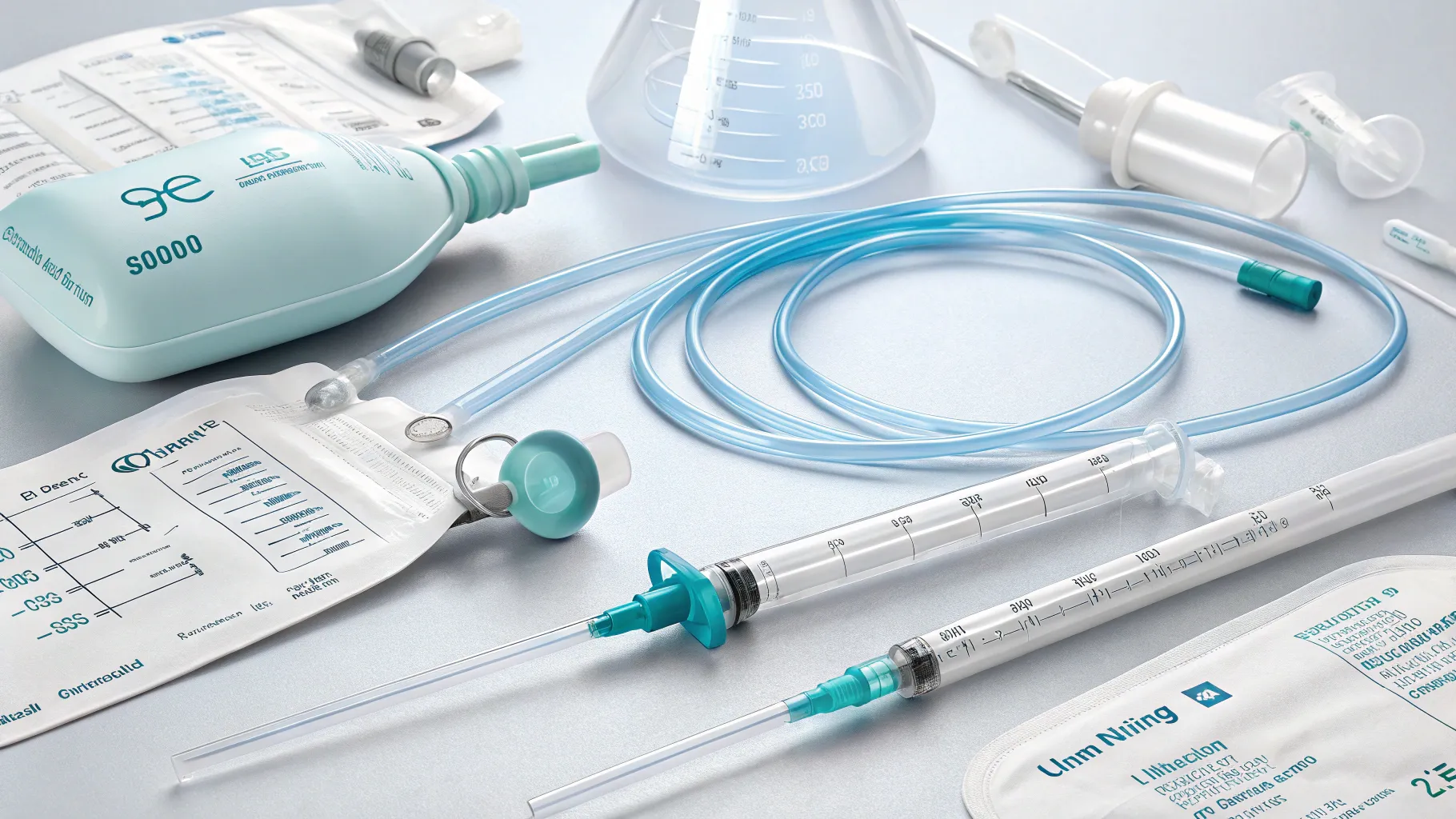
What Are External Catheters and How Do They Work?
An external catheter, often referred to as a condom catheter or a male external catheter (MEC), is a sheath-like device that fits over the penis, or in some newer designs, adheres to the perineal area in females. It connects to a drainage bag, allowing urine to be collected discreetly and hygienically without insertion into the urethra. The primary mechanism involves creating a secure, leak-proof seal while permitting continuous urine flow into the collection bag. This non-invasive approach significantly reduces the risk of urinary tract infections (UTIs) and enhances patient comfort compared to indwelling catheters.
Key Benefits of External Catheters
The adoption of external catheters brings numerous advantages for patients and caregivers alike. Understanding these key benefits highlights why they are increasingly favored:
- Reduced Risk of Infection: By avoiding urethral insertion, external catheters drastically lower the incidence of catheter-associated urinary tract infections (CAUTIs), a common complication with internal catheters.
- Enhanced Comfort and Mobility: Patients often report greater comfort and less irritation, leading to improved quality of life and better mobility. The absence of an indwelling tube allows for more natural movement.
- Ease of Application and Removal: Most external catheters are designed for straightforward application and removal, simplifying daily care routines for both patients and healthcare providers.
- Improved Dignity and Independence: Users can manage their incontinence more discreetly, fostering a sense of independence and dignity, which is vital for mental well-being.
- Cost-Effectiveness: While initial costs vary, the reduced complication rates associated with external catheters can lead to lower overall healthcare expenditures over time.
Understanding the Different Applications
External catheters are versatile and find utility across a broad spectrum of clinical and personal situations. Understanding the different applications is key to selecting the most appropriate device for individual needs:
Male External Catheters
- Urinary Incontinence: Primarily used for men experiencing mild to severe urinary incontinence, providing a discreet and comfortable management solution.
- Post-Surgical Care: Often employed after prostate surgery or other urological procedures to manage temporary incontinence.
- Mobility Impairment: Beneficial for individuals with limited mobility who may find frequent toilet visits challenging.
- Sleep Disorders: Allows uninterrupted sleep for those who frequently wake to urinate.
Female External Catheters (Newer Innovations)
Recent advancements have led to more effective and comfortable external catheters for women, typically involving a soft, absorbent pad that adheres to the perineum and directs urine away from the body.
- Postpartum Care: Useful for managing urine output and maintaining hygiene after childbirth.
- Incontinence Management: Provides a non-invasive option for women with moderate to severe incontinence, offering an alternative to pads or internal catheters.
- Hospital and Home Care Settings: Increasingly used in various care environments for both short-term and long-term management.
Tips for Proper Use and Maintenance
To maximize effectiveness and minimize complications, adhering to best practices for proper use and maintenance of external catheters is essential:
- Skin Preparation: Always ensure the skin is clean, dry, and free from irritation before application. Hair should be trimmed to ensure a good seal and prevent discomfort upon removal.
- Correct Sizing: Using the correct size is paramount to prevent leakage and discomfort. Refer to manufacturer guidelines for accurate measurement.
- Secure Application: Apply the catheter firmly but not too tightly to ensure proper adherence without restricting blood flow.
- Regular Inspection: Periodically check the skin beneath the catheter for signs of irritation, redness, or swelling.
- Hygiene and Replacement: Change the catheter daily or as recommended by a healthcare professional. Empty the drainage bag regularly and clean it thoroughly to prevent bacterial growth.
- Hydration: Maintain adequate hydration to ensure healthy urine output and flush the urinary system.
Innovations in External Catheter Technology
The field of urological care is continuously evolving, and innovations in external catheter technology are leading to more sophisticated, comfortable, and efficient devices:
- Advanced Materials: Newer catheters utilize silicone and other hypoallergenic materials that are softer, more breathable, and reduce skin irritation.
- Improved Adhesives: Enhanced adhesive technologies provide stronger, yet gentle, seals that prevent leaks while being easier and less painful to remove.
- Smart Catheters: Development of "smart" external catheters that incorporate sensors to monitor urine output, detect leaks, or even provide real-time feedback on skin health is underway.
- Gender-Specific Designs: Greater focus on anatomically correct designs for both men and women, ensuring better fit, comfort, and performance.
- Wearable Technology Integration: Future developments may see seamless integration with other wearable health technologies for comprehensive patient monitoring.
External Catheters: FAQ
Here are answers to some frequently asked questions about external catheters:
Can external catheters cause skin irritation?
Yes, if not applied correctly, if the wrong size is used, or if skin hygiene is neglected. Always ensure proper skin preparation and regular inspection to minimize irritation.
How often should an external catheter be changed?
Most external catheters are designed for daily replacement, though specific manufacturer guidelines should always be followed. The drainage bag should be emptied regularly and cleaned.
Are external catheters suitable for all types of incontinence?
They are highly effective for managing urinary incontinence, particularly for those with moderate to severe leakage. However, they may not be suitable for all individuals, and consultation with a healthcare professional is always recommended to determine the best solution.
Can women use external catheters effectively?
Yes, with ongoing advancements, female external catheters are becoming increasingly effective and comfortable, offering a viable non-invasive option for women managing incontinence.
External catheters offer a valuable, non-invasive solution for managing urinary incontinence, significantly improving quality of life for many individuals. With continuous innovation, these devices are becoming even more effective and user-friendly, reinforcing their role in modern healthcare.
References:
https://www.medicaldevice-network.com/features/external-catheters/
https://www.ncbi.nlm.nih.gov/pmc/articles/PMC8905872/
https://www.medline.com/knowledge-center/types-of-catheters/
Authored by FreshLifeWire team