Exploring Crawler Excavator Track Pad Options
Crawler Excavator Track Pads: The Unsung Heroes of Construction Machinery
When we think of construction machinery, our minds often jump to towering cranes or powerful bulldozers. Yet, beneath the surface, working tirelessly to support these machines, lie the humble crawler excavator track pads. Vital yet often overlooked, track pads are crucial for the stability and efficiency of excavators as they maneuver over various terrains. Their robustness enables machines to traverse different landscapes with ease, effectively making these pads the unsung heroes of the industry.
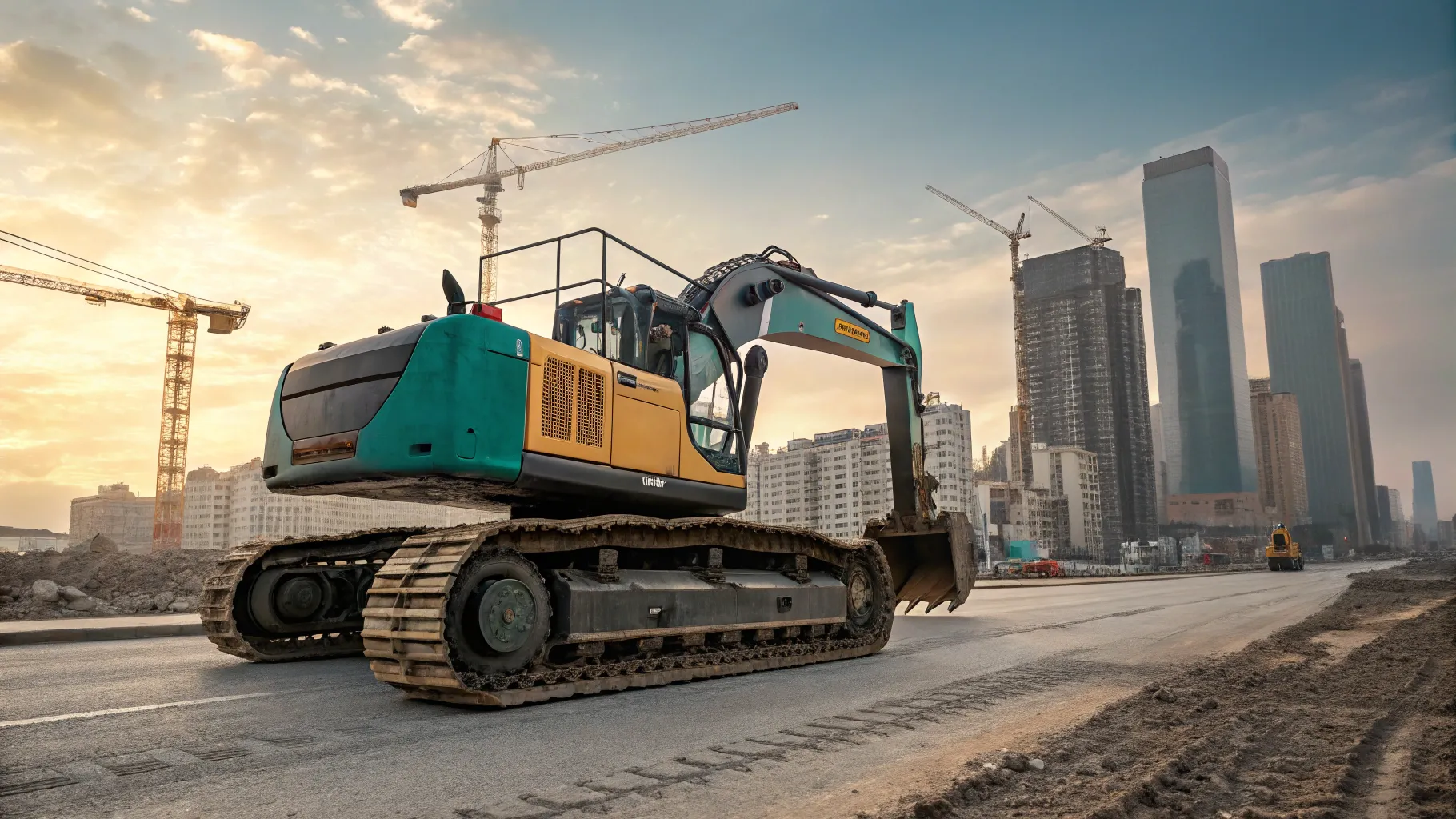
The Critical Role of Crawler Excavator Track Pads
Picture an excavator winding its way through an urban jungle or climbing its way across uneven terrains in a remote location. The excavator track pads are pivotal in ensuring these machines remain grounded and efficient in their operations. Deciding between rubber track pads and steel track pads is not merely a matter of preference; it is a strategic move to enhance the project’s outcome. Both types are designed to cater to specific environmental demands.
Soft and Silent: Rubber Track Pads
As cities expand, the focus on minimizing construction disruption has led to increased popularity for rubber track pads. In today's urban settings, with cities developing rapidly, rubber pads thrive due to their quiet operation and gentle touch on city infrastructure.
- Noise Reduction: Unlike their steel counterparts, rubber track pads offer a quieter alternative, reducing noise pollution. This makes them ideal for inner-city projects where maintaining peace is paramount.
- Surface Safeguarding: Rubber pads provide a protective cushion, mitigating the risk of damage to existing surfaces, thus prolonging the lifespan of urban pavements.
However, while offering softer handling, rubber pads might wear faster in harsher terrains, potentially increasing maintenance costs over time.
Built to Last: Steel Track Pads
In rugged and demanding environments, steel track pads stand out due to their durability and resilience. Often seen in industries dealing with extreme conditions, these pads endure the harshest of landscapes without compromising on performance. Recent advancements in steel production have enhanced the longevity of these pads, making them more economically viable.
- Strength and Endurance: Steel pads are synonymous with durability, reducing the need for frequent replacements and, in turn, cutting costs.
- Superior Traction: With an unrivaled grip on uneven surfaces, steel track pads ensure that machines maintain stability even in the most challenging terrains.
Despite their strengths, the noise generated by steel pads can be a drawback in noise-sensitive areas, but ongoing innovations are addressing this.
Optimizing Track Pad Selection
Choosing the right undercarriage pads involves more than just budget considerations. It is about understanding the demands of the project and matching them with the best-suited track pad. This decision impacts the efficiency and sustainability of operations.
Innovative Hybrid Solutions
As of 2025, hybrid track pads are transforming the landscape, melding the benefits of both material worlds—rubber and steel. These innovative designs offer flexibility, with rubber inserts embedded in steel frames, allowing for versatility in applications. These solutions have seen a notable surge in adoption lately, as they provide adaptable options for various construction environments.
Hybrid setups ensure a balance between cost-effectiveness and operational excellence, letting project managers fine-tune equipment performance according to specific project needs.
Upkeep and Longevity Practices
Maintaining heavy machinery starts with diligent care of its undercarriage, particularly the track pads. Active maintenance can significantly extend their operational life.
- Regular Checks: Systematic inspections help identify wear and tear early, allowing for timely interventions and preventing extended downtimes.
- Appropriate Storage: Sheltered storage can shield machinery from harsh environmental conditions, extending the lifespan of the track pads.
Ongoing training for operators is also crucial, ensuring that they are well-versed in best practices for equipment maintenance, which remains essential for operational success.
Summing Up: Customizing Track Pads for Optimal Outcomes
Selecting between rubber, steel, or hybrid track pads is not a simple matter of current costs, but a strategic planning decision that affects long-term project success. Amidst ongoing innovations, crawler excavator track pads have cemented their place as pivotal components in ensuring efficient and sustainable construction. Today, industry leaders are tasked with skillful decision-making, balancing innovation with tradition in ways that propel projects seamlessly forward.
Authored by FreshLifeWire team