Explore Types of Walkers for Enhanced Mobility in 2025
Understanding Different Types of Walkers in 2025
As we move further into 2025, the world of mobility aids continues to evolve, introducing a diverse range of walkers designed for various needs. The importance of understanding these different types cannot be overstated, especially as the demographic of users expands. With a significant rise in the elderly population along with individuals recovering from injuries or surgeries, having the right walker can facilitate independence and enhance quality of life. This article explores the various types of walkers available today, their features, benefits, and the populations that benefit most from each type.
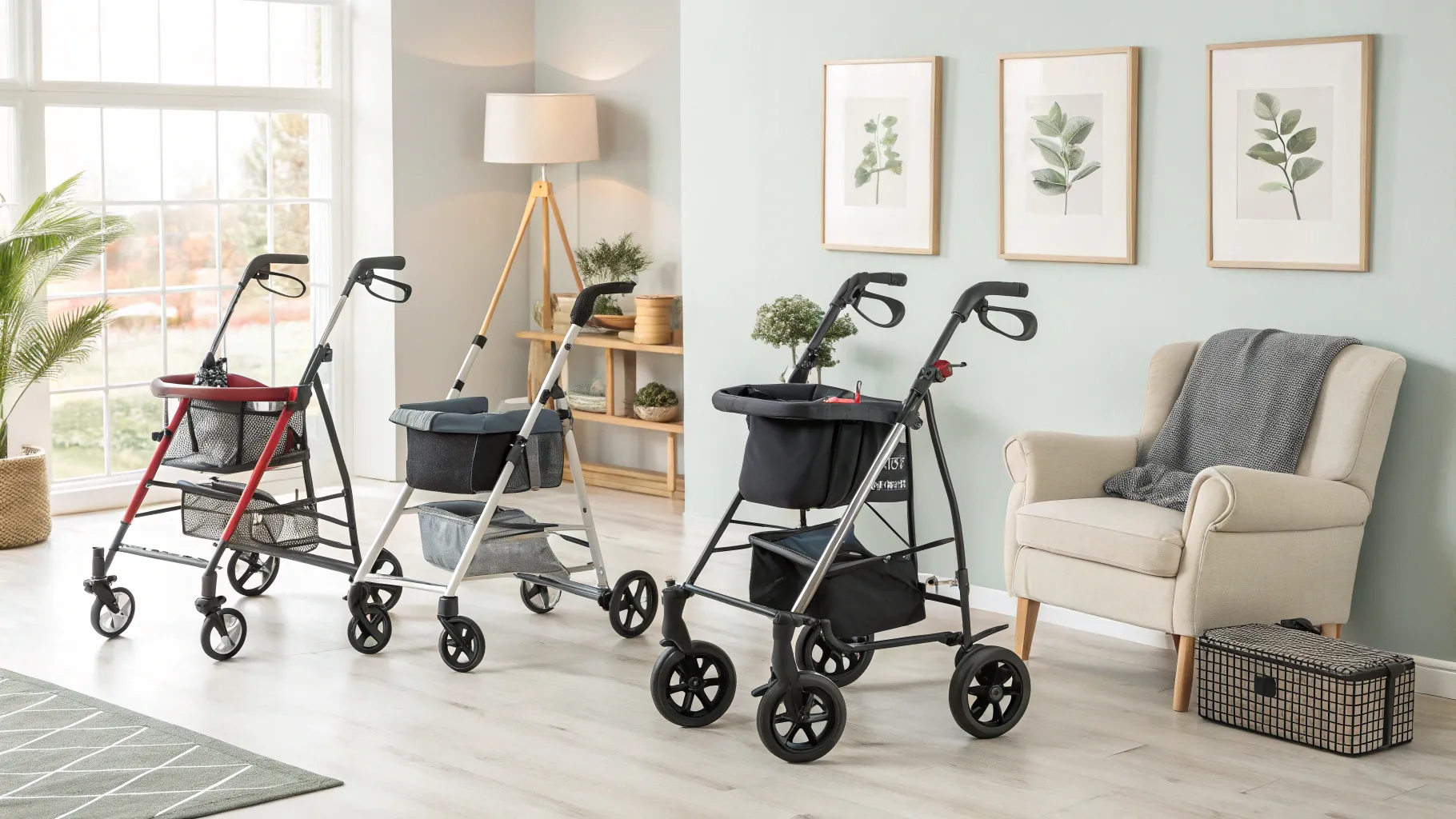
Types of Walkers and Their Specific Uses
Walkers are not one-size-fits-all devices. Each type is tailored for specific needs and conditions. Here’s a closer look at some of the most common types:
- Standard Walkers: These are the traditional walkers made from lightweight aluminum frames. They provide maximum stability and support and are ideal for those who can bear weight on their legs. With no wheels, users must lift the walker to move, which encourages controlled movements.
- Two-Wheeled Walkers: Also known as rolling walkers, these models come with two wheels on the front and two rubber stoppers at the back. This design allows for easier movement without the need to lift the device, making it suitable for those requiring a bit more mobility while maintaining stability.
- Four-Wheeled Walkers: Often referred to as rollators, these walkers provide four wheels and typically feature a seat, brakes, and storage compartments. They are perfect for active seniors or those who may need a rest while walking, offering both support and comfort for prolonged use.
- Specialized Walkers: These include pediatric walkers designed for children with mobility challenges, bariatric walkers built for larger individuals, and walkers with added features like shock absorption for those with joint issues. Each type is crafted to meet specific user requirements.
According to recent statistics from the National Institute of Health, approximately 20% of adults aged 65 and older use some form of mobility aid, with a significant portion of that group relying on walkers for assistance. This statistic highlights the importance of choosing the right walker based on personal needs and lifestyle.
Choosing the Right Walker for Your Needs
When considering which walker might be best for you or a loved one, various factors come into play. Here are some practical tips:
- Assess Physical Ability: Determine the user's strength and balance. Those with more strength may suffice with a standard walker, while those with less may require a rolling walker or entailing features.
- Height Adjustment: Ensure that the walker is adjustable to accommodate the user's height. An improperly sized walker can lead to discomfort or even further injury.
- Test for Portability: If the walker needs to be transported frequently—whether in a vehicle or on public transportation—consider lighter models or those that fold easily.
- Look for Added Features: Some walkers come with hand brakes, seats, and shopping baskets. These can enhance functionality, especially for those looking to use their walker for more than just mobility.
For instance, a recent case study showed that users of four-wheeled walkers reported feeling more secure and independent while out in the community compared to using standard walkers. This reinforces the idea that lifestyle needs must guide the choice of walker.
Maintaining Your Walker for Longevity
Investing in a walker is just the first step. Proper maintenance is essential for ensuring that the mobility aid lasts and continues to perform optimally. Here are a few maintenance tips:
- Regularly Check the Brakes: Ensure that the brakes on a rolling walker function correctly. Faulty brakes can pose serious risks to safety.
- Inspect Wheel Integrity: For walkers with wheels, regular inspection for damage or wear can prevent accidents. Ensure that wheels turn freely and are not sticking.
- Clean the Frame: Regular cleaning can prevent rust or deterioration, especially for walkers used outdoors. A simple wipe-down with a damp cloth will suffice.
Recent surveys indicate that users who maintain their walkers report higher levels of satisfaction and fewer accidents. This underlines the significance of care in maximizing the walker’s lifespan.
The Future of Walkers in Mobility Assistance
As technology progresses, the future of walkers looks bright. In 2025, we are seeing innovations such as smart walkers equipped with sensors that provide stability and can even alert caregivers in case of a fall. Furthermore, integration with mobile apps allows for tracking mobility patterns and encouraging physical activity, making these devices not just aids but partners in enhancing the user’s quality of life.
Healthcare professionals are increasingly advocating for tech-integrated walkers as these can offer personalized feedback and support rehabilitation efforts. The aim is to not just provide mobility, but to encourage a healthier lifestyle among users.
Understanding different types of walkers helps individuals make informed choices about their mobility needs. Whether it’s a standard walker for someone recovering from surgery or a high-tech rolling walker for active seniors, the right choice empowers users to maintain their independence and enjoy a fulfilling life. As we embrace continued advancements in mobility aids, the focus will remain on enhancing comfort, safety, and independence for all users in 2025 and beyond. Indeed, the journey towards improved mobility is one that keeps evolving, ensuring that everyone can walk their path.
Authored by FreshLifeWire team