Explore Types of Dental Implants for Your Oral Health
Understanding Types of Dental Implants
Dental implants have transformed the landscape of oral health care, offering patients who have lost teeth a permanent solution that not only restores functionality but also enhances aesthetics. As we navigate through 2025, it becomes vital to familiarize ourselves with the various types of dental implants available. This knowledge empowers patients to make informed decisions tailored to their unique dental situations. Let’s explore the spectrum of dental implants, including endosteal implants, subperiosteal implants, zygomatic implants, mini implants, and specialized solutions like all-on-4 implants, ceramic implants, and titanium implants.
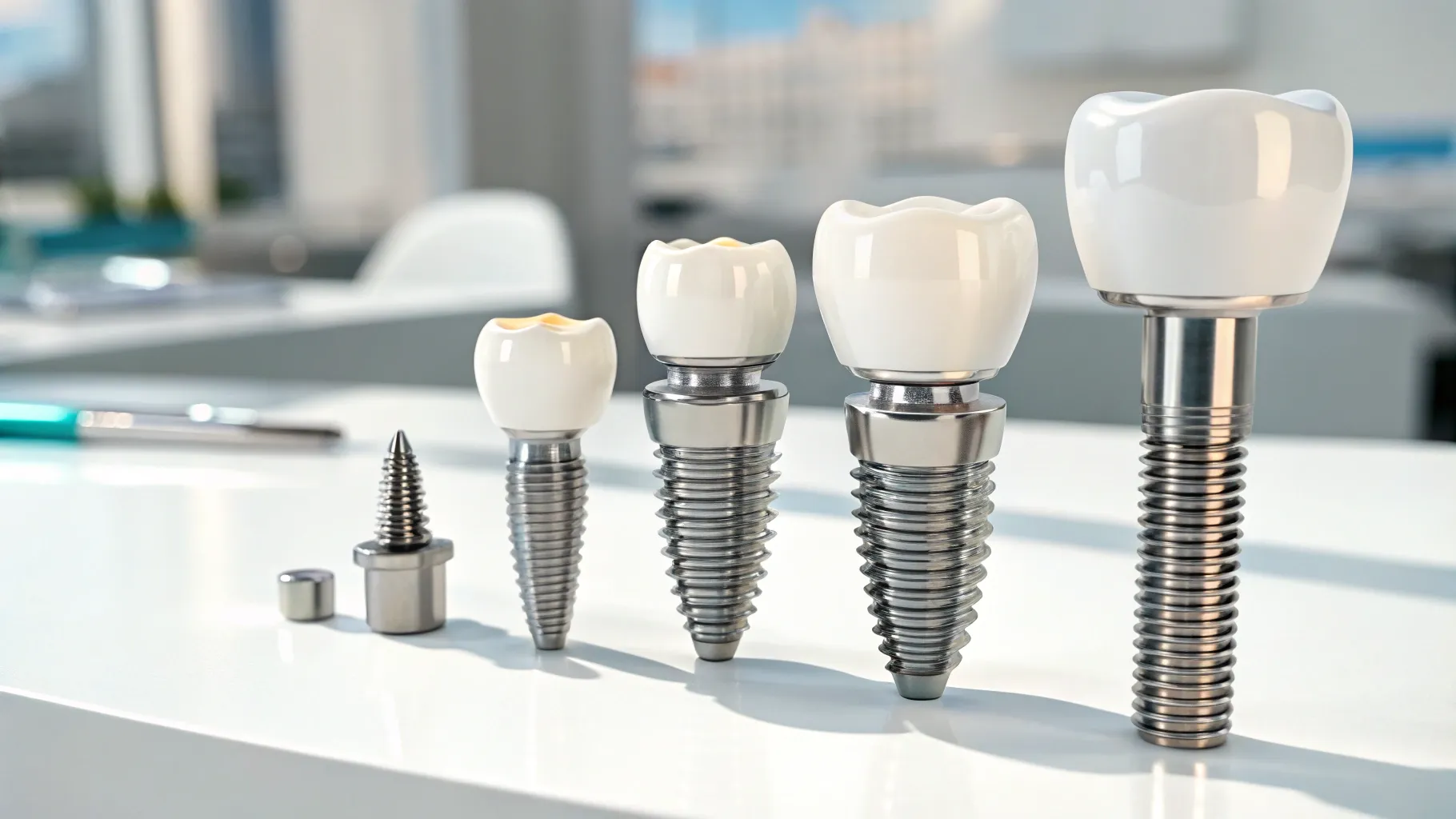
Different Types of Dental Implants Explained
1. Endosteal ImplantsEndosteal implants reign as the most prevalent choice among dental restoration options. They resemble a screw and are typically made of titanium, carefully inserted into the jawbone. This process closely mimics the natural root of a tooth, providing outstanding stability. Studies show that about 95% of endosteal implants remain intact and functional after ten years, showcasing their reliability and effectiveness.
2. Subperiosteal ImplantsWhen bone density is not sufficient for traditional implants, subperiosteal implants step in as an innovative alternative. Instead of being embedded deeply within the jawbone, these implants consist of a metal framework situated just beneath the gum tissue, resting on top of the jawbone. As the gums heal, this frame integrates with the bone. Although subperiosteal implants offer a solution for patients who aren’t candidates for bone grafting, it’s essential to note that their success rates are typically lower compared to endosteal implants.
3. Zygomatic ImplantsZygomatic implants represent a breakthrough for patients with significant bone loss in the upper jaw. Unlike traditional implants that anchor into the jawbone, zygomatic implants are anchored in the zygomatic bone, also known as the cheekbone. This placement is particularly advantageous for those unable to undergo bone grafts. Advancements in this field mean patients can often benefit from immediate loading, receiving a temporary prosthesis on the same day as the implant, remarkably enhancing patient satisfaction and functionality.
4. Mini ImplantsOffering a less invasive option, mini implants are smaller in diameter than traditional implants, catering specifically to patients with limited bone density. Their compact size allows for a simpler placement procedure, often requiring less recovery time. Mini implants primarily serve as anchors for dentures, greatly improving fit and stability. Many patients have reported that mini implants significantly enhance their ability to eat and speak comfortably, making them a valuable option for those hesitant about large dental procedures.
5. All-on-4 ImplantsAll-on-4 implants are revolutionizing complete tooth replacement by utilizing just four strategically-placed implants to support an entire arch of teeth. This method not only reduces the number of implants needed but also lowers costs while maximizing support for dental prosthetics. Reports indicate that numerous patients achieve a full set of new teeth in a single day, which is both convenient and uplifting, enhancing their self-esteem and overall quality of life.
6. Ceramic ImplantsGrowing in popularity, ceramic implants present a viable biocompatible alternative to conventional titanium options. Made entirely from zirconia, these implants offer exceptional aesthetic appeal, as they blend seamlessly with natural teeth. Patients appreciate that ceramic implants minimize the risk of allergic reactions and are less visible compared to their metal counterparts. Particularly in 2025, more people are choosing ceramic implants due to their natural look and feel.
7. Titanium ImplantsTitanium implants steadfastly remain the gold standard in dental implant materials. Known for their strength and durability, titanium implants are favored for their osseointegration properties, where the jawbone integrates around the implant, solidifying its stability. Approximately 85% of implants in use today are made from titanium, with ongoing research continuously improving their design, making them even more effective in clinical settings.
The Cost of Dental Implants in 2025
In recent months, the costs associated with dental implants have shown considerable variation, influenced by factors such as implant type, materials utilized, and specific patient needs. Early 2025 reports indicate that the average cost of endosteal implants ranges from $3,000 to $4,500 per implant. Meanwhile, mini implants can be obtained for $500 to $1,500 each, making them an accessible option for many.
Patients considering the all-on-4 system should prepare for expenses between $15,000 and $30,000 for a complete arch, reflecting the technology and expertise involved in the procedure. Zygomatic implants, given their complexity, may exceed $20,000, yet, the substantial long-term benefits, such as improving quality of life and oral functionality, often justify the costs.
Ceramic implants typically mirror the pricing of their titanium counterparts, although patients may choose to pay a bit more for the aesthetic advantages they offer. It’s crucial for individuals to consult with dental professionals not only to understand their options better but also to strategize a budget that suits their financial situation.
In summary, being knowledgeable about the different types of dental implants available today is essential for anyone considering tooth replacement options. From the high stability of endosteal implants to the aesthetic benefits of ceramic options, each type has unique advantages tailored to diverse dental needs. With continuous advancements in dental technology, patients can look forward to better solutions that enhance their oral health and overall quality of life.
Authored by FreshLifeWire team