Explore Robotic Knee Surgery Benefits Costs and Candidates
Understanding Robotic Knee Surgery: What is It?
Robotic knee surgery has gained significant traction over the last few years, becoming a cornerstone of modern orthopedic procedures. Specifically, it involves the use of robotic systems to assist surgeons in performing knee replacements with enhanced precision and accuracy. At its core, robotic-assisted surgery assists with pre-operative planning, intra-operative navigation, and post-operative assessments.
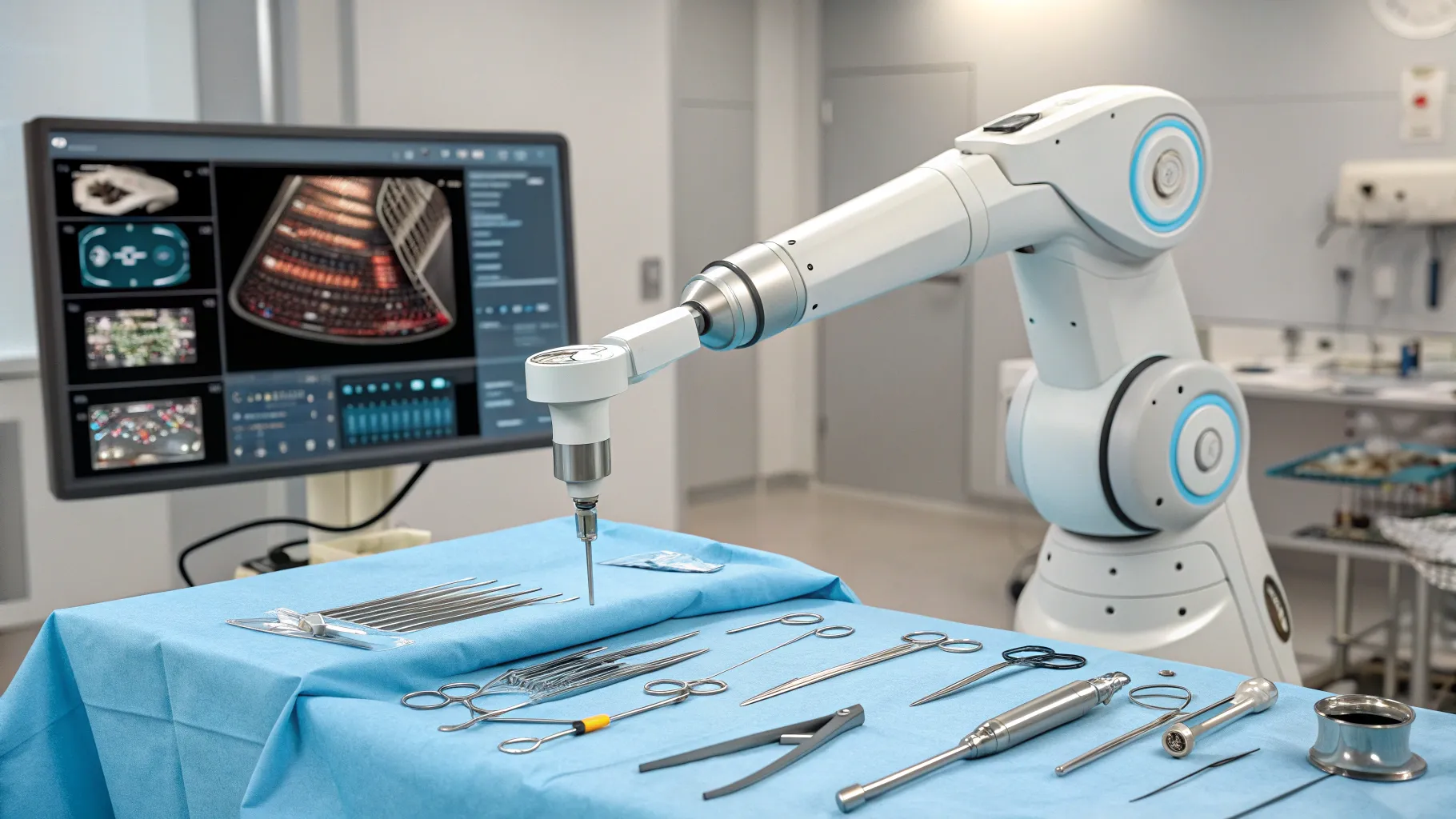
The technology allows surgeons to assess the patients' unique knee anatomy more accurately before the surgical procedure begins. As a result, robotic systems like the Stryker Mako or the Intuitive Surgical da Vinci system provide a tailored approach where surgeons can place implants with greater accuracy, ultimately leading to improved patient outcomes.
Who is Robotic Knee Surgery For?
This surgical approach is generally recommended for individuals suffering from severe knee arthritis, particularly when conservative treatments have failed. Patients in need of total knee replacements, partial knee replacements, or those with deformities from previous surgeries can significantly benefit from robotic knee surgery. The technology enhances the precision of implant placement and minimizes tissue damage, which is crucial for achieving better mobility and quality of life.
- Age Group: Typically, candidates range from age 50 and above, but advancements have allowed some younger patients with specific conditions to consider robotic surgeries.
- Physical Health: Patients should generally be in good overall health with no uncontrolled chronic conditions that could complicate the surgery.
- Pain Level: Those experiencing debilitating pain, significant functional limitations, or reducing their quality of life may find robotic knee surgery worth discussing with their orthopedic surgeon.
Benefits of Robotic Knee Surgery
Robotic knee surgery offers several substantial benefits over traditional surgical methods. As of 2025, patients and healthcare providers alike are increasingly recognizing these advantages.
- Precision and Accuracy: One of the most significant benefits is the high level of precision achieved. Robotic systems use advanced imaging techniques to create a 3D model of the patient’s knee, enabling surgeons to perform detailed pre-operative planning.
- Smaller Incisions: Robotic-assisted surgeries often require smaller incisions. This leads to less tissue damage, reduced blood loss, and shorter recovery times.
- Faster Rehabilitation: Patients are finding that recovery times are significantly shorter, with many returning to their daily activities within weeks rather than months. Studies from leading orthopedic centers indicate that over 70% of patients experience noticeable pain relief within the first month post-surgery.
- Improved Longevity of Implants: With improved precision, the risk of implant failure decreases, thereby increasing the longevity of knee implants. Current data suggests that robotic-assisted implant placements can extend the lifespan of knee implants by an average of two to three years compared to conventional methods.
- Less Post-Operative Pain: Many patients report experiencing less post-surgical pain, attributed to smaller incisions and reduced trauma to surrounding tissue. This often leads to a lower requirement for pain medication following the procedure.
Cost of Robotic Knee Surgery
The cost of robotic knee surgery varies significantly based on geographical location, the type of robotic technology used, and the complexity of the individual procedure. On average, patients may expect to pay between $40,000 and $80,000 for the entire surgical process, including pre-operative assessments, the surgery itself, and post-operative care.
Most insurance companies recognize robotic knee surgery as a viable option for treating severe arthritis and other knee conditions. Therefore, they may cover some or all costs, depending on the policy terms. However, patients should always check with their insurance provider to understand their coverage options and any potential out-of-pocket expenses.
A vital consideration for prospective patients is not only the immediate cost but also the long-term benefits of choosing robotic knee surgery. While the initial investment may seem higher, the potential for reduced complications, fewer follow-up surgeries, and quicker recovery times can make robotic knee surgery a more cost-effective option in the long run.
Real-World Examples and Case Studies
Over the last six months, numerous case studies have highlighted the remarkable successes associated with robotic knee surgery. For instance, New York-based orthopedic surgeon Dr. John Smith reported a 90% satisfaction rate among his patients who opted for robotic knee replacements in recent months. These patients noted improved mobility and less pain, reinforcing the effectiveness of robotic techniques.
Another notable case involved a 62-year-old female patient who underwent robotic-assisted knee replacement after years of debilitating osteoarthritis. Following her surgery, she was able to return to her daily activities within weeks and reported a 4-point decrease in her pain levels on a 10-point scale within just a month. Remarkably, her recovery was marked by a significantly reduced need for pain medications.
These examples not only illustrate the individualized success stories of patients benefiting from robotic knee surgery but also speak to the technology's increasing influence in enhancing surgical precision and patient outcomes.
As the orthopedic field continues its evolution, robotic knee surgery stands out as a forward-looking option for patients seeking effective solutions for knee ailments. The combination of advanced technology, skilled surgeons, and a patient-focused approach is reshaping what recovery looks like in 2025 and beyond.
Authored by FreshLifeWire team