Explore Military Firefighter Jobs Requirements and Training
Military Firefighter Jobs Overview
Military firefighter jobs offer a unique and rewarding career for those looking to serve their country while gaining valuable skills in fire protection and emergency response. These firefighters are not just battling fires; they play a crucial role in protecting lives and property on military installations, ensuring safety during operations, and being prepared for various emergencies.
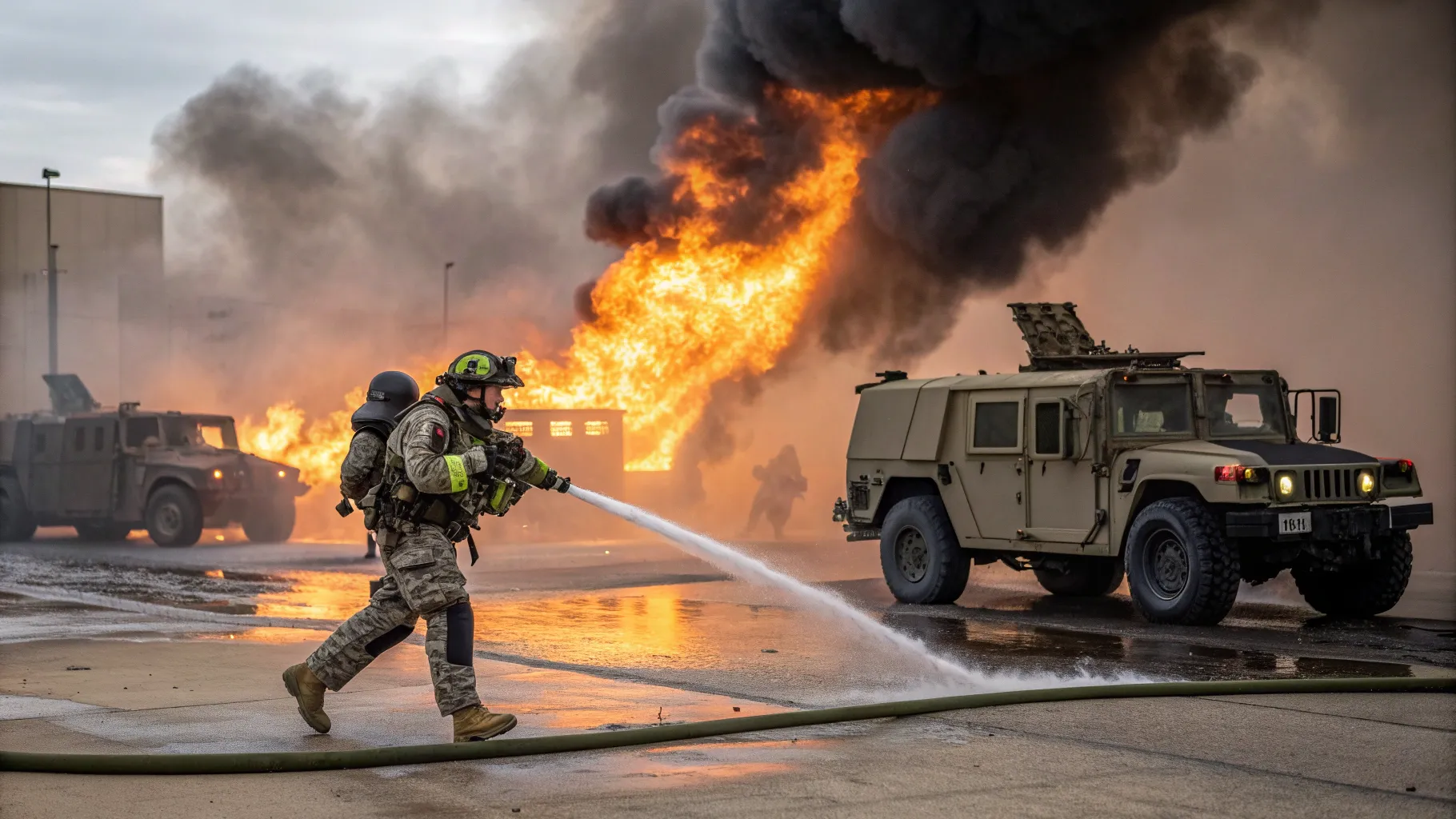
As of 2025, military firefighters are in high demand across branches like the Army, Navy, Air Force, and Marines. Each branch has its specific requirements and responsibilities, but the core mission remains the same: safeguarding personnel, equipment, and the environment. This transformation over the past few years has resulted from an increased focus on safety protocols and the complexity of modern military operations.
Requirements for Military Firefighters
To embark on a career as a military firefighter, candidates must meet several essential requirements:
- Age: Candidates must typically be between 17 and 28 years old.
- Education: A high school diploma or GED is usually required. Some branches may prefer or require additional vocational training.
- Physical Fitness: A stringent physical fitness test must be passed, including various strength, endurance, and agility challenges.
- Background Check: Candidates must undergo a thorough background investigation, which includes criminal history, drug screening, and a review of previous employment.
- Certification: While military training will provide necessary skills, candidates should also aim for certifications such as Firefighter I and II as recognized by national agencies.
Meeting these requirements can be competitive, but thorough preparation can boost your chances of a successful application.
How to Apply for Military Firefighter Positions
Applying for a military firefighter position involves several steps:
- Research: Investigate which branch of the military aligns with your goals. Each branch has its application process and timeline.
- Contact a Recruiter: Reach out to a military recruiter who specializes in firefighter roles. They can provide insights into suitable positions and necessary qualifications.
- Complete the ASVAB: You will need to take the Armed Services Vocational Aptitude Battery (ASVAB) test, which assesses your skills and abilities for various military roles.
- Submit Your Application: Fill out all necessary forms completely and submit them along with any required documents like your educational certificates.
- Prepare for Basic Training: If accepted, prepare for basic military training, which includes physical conditioning and foundational military skills.
- Firefighting Training: After basic training, you will attend an advanced firefighting school where you will learn essential firefighting tactics and techniques specific to military protocols.
Persistence and dedication during the application process can lead to a fulfilling career that combines personal development with vital skills.
Daily Duties of Military Firefighters
The daily life of a military firefighter can vary significantly depending on the location and specific mission. However, some common duties include:
- Fire Suppression: Responding to and extinguishing fires on military installations, including vehicle fires, structure fires, and wildfires.
- Emergency Medical Response: Providing basic life support and initial treatment to individuals injured in emergencies.
- Fire Prevention: Conducting inspections to identify fire hazards and implementing fire safety programs tailored to the military setting.
- Training: Regularly participating in drills to stay proficient in firefighting techniques and emergency response.
- Vehicle Maintenance: Ensuring that firefighting equipment and vehicles are operational and ready for emergency use.
These responsibilities ensure that military firefighters remain effective and ready to respond to any situation that may arise.
Training for Military Firefighting Careers
Training for military firefighters is comprehensive and rigorous. The journey typically begins with basic military training, where recruits learn essential soldiering skills such as discipline, teamwork, and physical endurance. Following this, they attend specialized firefighting training that could last several months. Here’s a closer look at what this entails:
- Firefighting Techniques: Trainees learn about the various methods of extinguishing fires, including the use of water, foam, and various types of fire extinguishing agents.
- Hazardous Materials: Military firefighters must be familiar with handling hazardous materials, understanding the risks involved, and following protocols to mitigate them.
- Advanced Rescue Operations: Training includes advanced techniques such as high-angle rescue, confined space rescue, and vehicle extrication.
- Emergency Medical Training: Firefighters are often trained in basic first aid and CPR to provide immediate assistance in emergency situations.
- Continued Education: Military firefighters are encouraged to pursue ongoing education and advanced certifications through military and civilian courses.
This extensive training prepares military firefighters to handle a wide range of emergencies, from structural fires to hazardous material incidents, showcasing their adaptability in fast-paced environments.
Career Paths After Military Firefighting
Once military firefighters have served their time, they can explore diverse career paths. Many transition smoothly into civilian firefighting roles, taking advantage of the robust skills and training they’ve acquired. Additionally, they can pursue careers such as:
- Fire Chief: Leading firefighting teams and managing fire departments.
- Fire Inspector: Evaluating fire safety protocols in various settings, ensuring compliance with safety regulations.
- Emergency Management: Working with various organizations to create disaster response plans and public safety initiatives.
- Security Specialist: Leveraging their knowledge of safety protocols in security roles within private entities.
- Instructor or Trainer: Educating future firefighters through training programs and institutions.
Transitioning to civilian life may require some adaptation; however, the discipline, teamwork, and leadership skills built during military service are invaluable in any career path they choose to pursue.
Authored by FreshLifeWire team