Explore Local CDL Trucking Jobs and Routes in the USA
A Guide to Local CDL Trucking Jobs
If you have a Commercial Driver's License (CDL) and are looking for a job that offers a more predictable schedule and the chance to be home every night, local CDL trucking jobs might be the perfect fit for you. In today’s growing world of logistics and freight delivery, local truck driving is becoming increasingly essential. With the rise of e-commerce and the demand for fast home deliveries, understanding local truck driving routes and job types is key for prospective drivers.
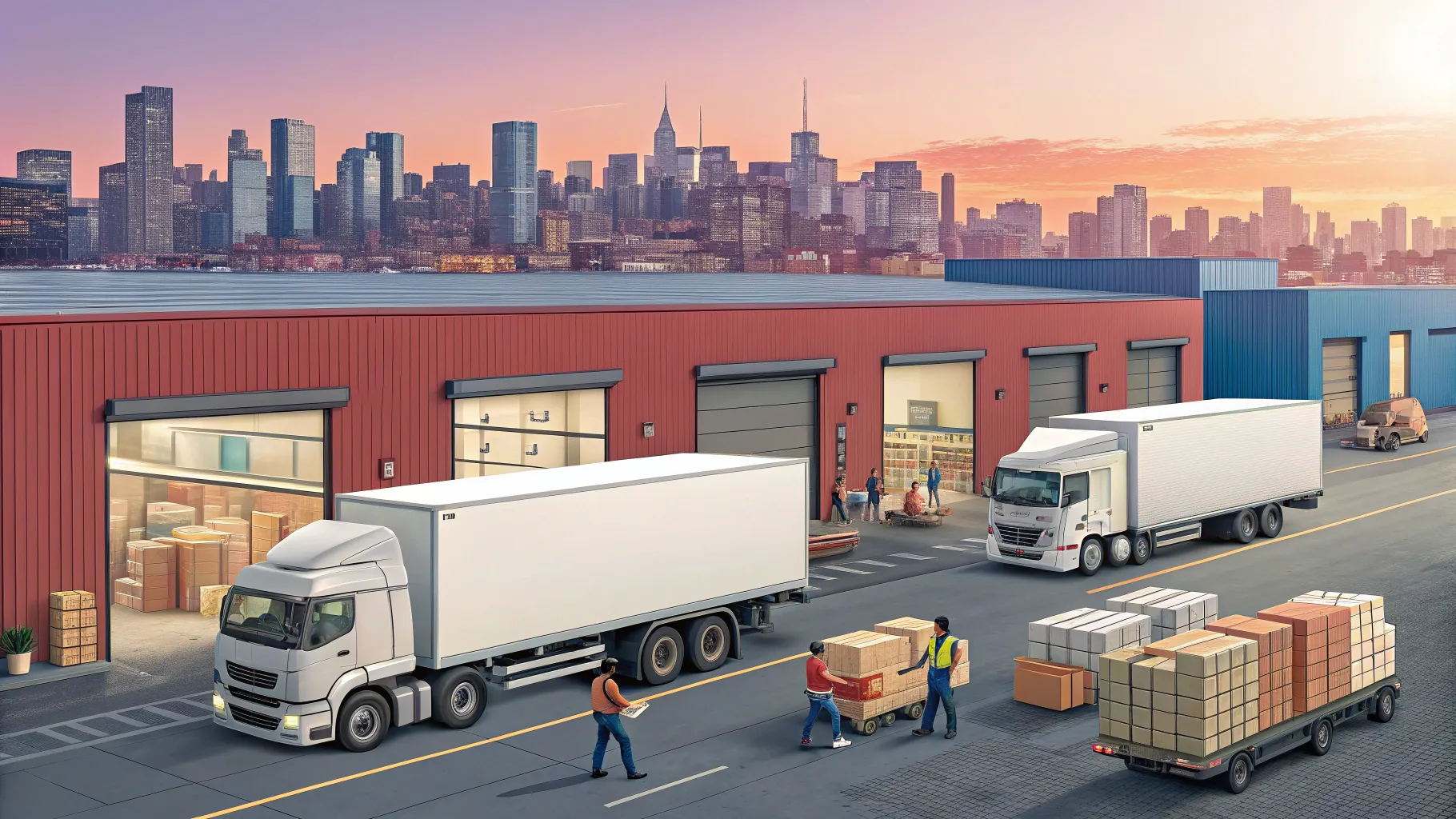
Types of Local Trucking Jobs
Local trucking jobs vary widely, providing opportunities across various sectors. Here are some of the most common types:
- Delivery Driver: These drivers transport goods from warehouses to retail outlets or directly to customers' homes. They often use box trucks, vans, or smaller trucks.
- Food Service Driver: Responsible for delivering food items to restaurants or grocery stores, these drivers may handle perishable goods and work closely with suppliers.
- Construction Haul Driver: These drivers transport materials to and from construction sites, such as concrete, steel, or heavy machinery.
- Flatbed Driver: Driving flatbed trucks, these drivers carry large loads like lumber, metal beams, or machinery, often securing the cargo themselves.
According to the latest data from the American Trucking Association, local trucking jobs account for nearly 50% of the total truck driving jobs available today. With demand for flexibility and immediacy in freight logistics increasing, there is a steady influx of opportunities in local trucking.
Local Truck Driving Routes Explained
Local truck driving routes typically cover a radius of about 100 to 300 miles from the starting point, allowing drivers to return home daily. These routes might not be as predictable as long-haul trucking, but they give drivers a chance to build relationships within their communities. This aspect often makes local trucking jobs appealing.
Routes depend largely on the nature of the delivery. For instance, a local grocery delivery route would focus on frequent short deliveries to multiple store locations within a city, whereas a construction haul route might involve traveling to a specific site for offloading heavier equipment. Understanding the geography, traffic patterns, and peak delivery windows are crucial for effectively managing these routes, as they greatly influence delivery efficiency.
Local vs Regional Trucking Comparison
When considering trucking jobs, it's important to understand the difference between local and regional driving. Local drivers typically work within one state or city and return home at the end of each shift. This role often allows for a consistent schedule with regular hours.
In contrast, regional drivers cover a larger area, often traveling across several states with longer hauls. While regional drivers may not return home every night, they can typically enjoy more significant earnings due to longer distances traveled. However, the trade-off is less time spent at home.
The choice between local and regional trucking jobs often comes down to personal preference. According to industry surveys, approximately 75% of drivers prefer local routes due to the home-time benefits. This sentiment is especially prevalent among those with families or obligations.
How Local Freight Delivery Works
Local freight delivery generally involves the following steps:
- Scheduling: Companies schedule pickups and deliveries based on customer orders and operational capacities.
- Loading: After the scheduled time, recipients load the goods onto trucks, ensuring proper weight balance and securing the load.
- Transport: Drivers navigate their routes, often using GPS systems designed for trucking, which help to avoid congested areas and provide real-time traffic updates.
- Delivery: After arriving at the destination, unloading takes place, where the driver may also assist in unpacking or setting up the delivered items.
With the rapid growth of on-demand services, local freight delivery's efficiency has become even more paramount. Companies are investing in technology to enhance tracking mechanisms and optimize routes to ensure timely deliveries.
CDL Requirements for Local Driving
To operate a truck at a local level, drivers must meet the standard CDL requirements. This generally includes:
- Obtaining a valid state-issued CDL, which involves passing written and practical driving tests.
- Meeting necessary age qualifications, with most states requiring drivers to be at least 21 years old for interstate driving. This is often relaxed for local routes, allowing 18-year-olds to drive.
- Maintaining a clean driving record, as many employers conduct background checks.
In addition to these requirements, companies may provide training for specific types of trucks, especially for those involving specialized cargo such as hazardous materials or food items.
Local Delivery Logistics
The logistics of local delivery are integral to successful operations. Efficient routing, real-time tracking, and timely communication are vital components of logistics systems. Companies often utilize software to streamline these processes, reducing costs and improving customer satisfaction. With advancements in technology like route optimization algorithms and automated scheduling, local trucking companies are better equipped than ever to meet the demands of their clients.
Factors Affecting Local Trucking Demand
Several key factors play a role in the demand for local trucking jobs. The most significant is the ongoing growth of e-commerce, which has spurred a need for rapid delivery services. Furthermore, urbanization is creating a higher demand for freight deliveries in cities, where local trucking is often the most efficient method of distribution.
Seasonal trends also affect local trucking demand. The holiday season sees spikes in package deliveries, while industries like agriculture may have significant delivery needs based on harvest seasons. Moreover, economic factors such as inflation and changes in consumer spending can impact local freight logistics, either dampening or enhancing demand for trucking services.
Overall, local CDL trucking jobs remain vital for supporting the economy as well as providing a rewarding career for many individuals passionate about driving and logistics.
Authored by FreshLifeWire team