Explore Hospital Jobs for Seniors in Healthcare Careers
Overview of Hospital Jobs for Seniors
In today’s society, the workforce is evolving, and so are opportunities for seniors looking to secure fulfilling employment. The healthcare sector, particularly hospitals, is thriving with job openings that cater to various skills and experiences. Seniors bring invaluable expertise, reliability, and a compassionate perspective, making them great candidates for numerous roles within hospitals.
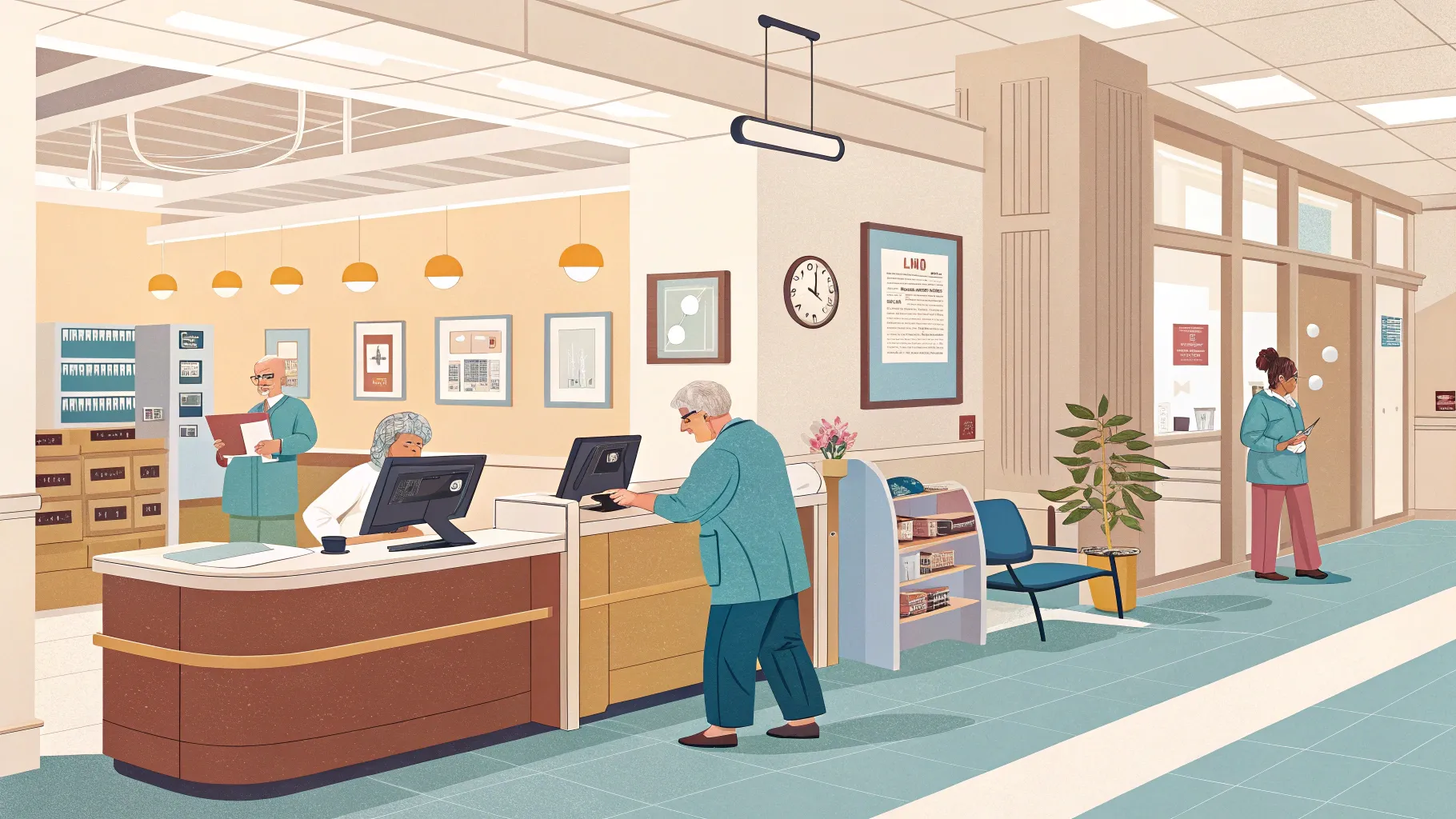
As of 2025, hospitals continue to expand their workforce, driven by an increasing demand for healthcare services due to an aging population. According to the Bureau of Labor Statistics, healthcare occupations are projected to grow by 15% from 2019 to 2029, faster than the average for all occupations. This booming industry presents excellent job prospects for seniors.
Types of Hospital Roles for Seniors
Within the hospital environment, a variety of roles are available that seniors can pursue, catering to diverse interests and skills. Here are some prominent positions:
- Administrative Positions: These roles often include receptionists, medical secretaries, and billing specialists. They require strong organizational skills and an ability to manage patient records efficiently.
- Support Services: Housekeeping, food service, and maintenance jobs are critical roles that ensure the hospital runs smoothly. These positions are often part-time and flexible, suitable for seniors looking to balance their work-life commitments.
- Patient Support Roles: Positions such as patient transport attendants, where seniors assist with moving patients around the hospital, can be fulfilling. Additionally, roles like volunteer coordinators leverage seniors’ experience in community engagement activities.
- Non-Medical Roles: Many hospitals require staff for non-medical roles, including IT support, human resources, and marketing. Seniors with backgrounds in these areas can find meaningful work, utilizing their years of experience.
- Volunteer Opportunities: While not paid positions, volunteering at a hospital can be incredibly rewarding. Seniors can engage with patients, assist staff, and contribute positively to the hospital community.
Part-Time Hospital Positions
Part-time jobs are plentiful in the healthcare sector, providing flexibility for seniors to enjoy a work-life balance. Many hospitals offer various part-time roles, such as:
- Receptionist shifts during office hours
- Food service positions on evenings or weekends
- Patient escort services that allow for varied hours
- Administrative support during peak times
These positions not only allow seniors to contribute but also help them stay active and engaged. A survey by the National Council on Aging found that seniors working part-time jobs often report increased life satisfaction and social engagement.
Hospital Job Salaries
Salaries for hospital jobs can vary widely depending on the role, location, and qualifications. Here’s a snapshot of what some common hospital positions for seniors pay:
- Administrative Assistant: $30,000 - $45,000 annually
- Medical Secretary: $35,000 - $50,000 annually
- Patient Transport Attendant: $28,000 - $40,000 annually
- Food Service Worker: $25,000 - $35,000 annually
- Volunteer Coorinator: While often unpaid, some hospitals offer stipends or benefits like free meals or transport?
The pay scale supports a comfortable living for many seniors, especially when considering part-time options that allow for additional personal time.
How to Apply for Hospital Jobs
Applying for a job at a hospital can be a straightforward process if you know what to focus on. Here are some effective tips for seniors looking to land a hospital role:
- Update Your Resume: Highlight relevant experience, focusing on skills that showcase your work history and achievements. Tailor your resume for each job application to match the specific requirements of the position.
- Network: Use community resources, such as local senior centers or job fairs. Connections can often lead to job opportunities that are not publicly advertised.
- Utilize Online Job Boards: Websites like Indeed, Glassdoor, and hospital career sites can provide a plethora of job listings. Set alerts for jobs that suit your interests.
- Prepare for Interviews: Practice common interview questions and be ready to discuss how your skills can benefit the hospital setting. Being confident in your background and experiences will help you stand out.
Many hospitals appreciate the wealth of knowledge and experience that seasoned professionals like seniors can bring. Your extensive work history and perspective can be invaluable assets in a healthcare environment.
Senior-Friendly Healthcare Careers
Certain careers within healthcare are particularly well-suited for seniors who may not want to engage in physically demanding jobs. These include:
- Medical Coding and Billing: Requires attention to detail but can often be done remotely or part-time.
- Health Information Management: Involves overseeing patient records and requires organizational skills.
- Community Health Worker: These roles involve education and outreach within the community, fostering health awareness.
- Telehealth Support: With the rise of telemedicine, roles that assist patients in navigating these services can be perfect for tech-savvy seniors.
As healthcare continues to evolve, so do the opportunities within it for seniors, allowing them to contribute positively while enjoying flexible work arrangements.
Hospital Employment Tips
For seniors entering or re-entering the job market, some additional tips include:
- Stay Current: Regularly update your skills through online courses or community workshops.
- Leverage Technology: Familiarize yourself with hospital management systems or customer relationship management (CRM) tools often used in healthcare settings.
- Be Open-Minded: Sometimes positions may not match your previous roles, but staying adaptable can open new pathways for learning and engagement.
- Show Enthusiasm: Your passion for working and helping others can be your greatest asset, making a positive impression during interviews.
With the growth of the healthcare sector, hospital jobs present a unique opportunity for seniors not only to earn but to engage meaningfully with their communities. By pursuing these opportunities, seniors can enrich their lives while supporting the essential services that hospitals provide.
Authored by FreshLifeWire team