Explore Green Design Ideas for Eco-Friendly Homes in 2025
What is Green Design and Why is it Important
In recent years, the concept of green design has gained significant traction as more individuals become conscious of their environmental impact. Green design, also known as sustainable design, involves creating products and environments that reduce negative impacts on the planet. This approach prioritizes resource conservation, energy efficiency, and sustainable materials, all while aiming to create spaces that enhance our well-being.
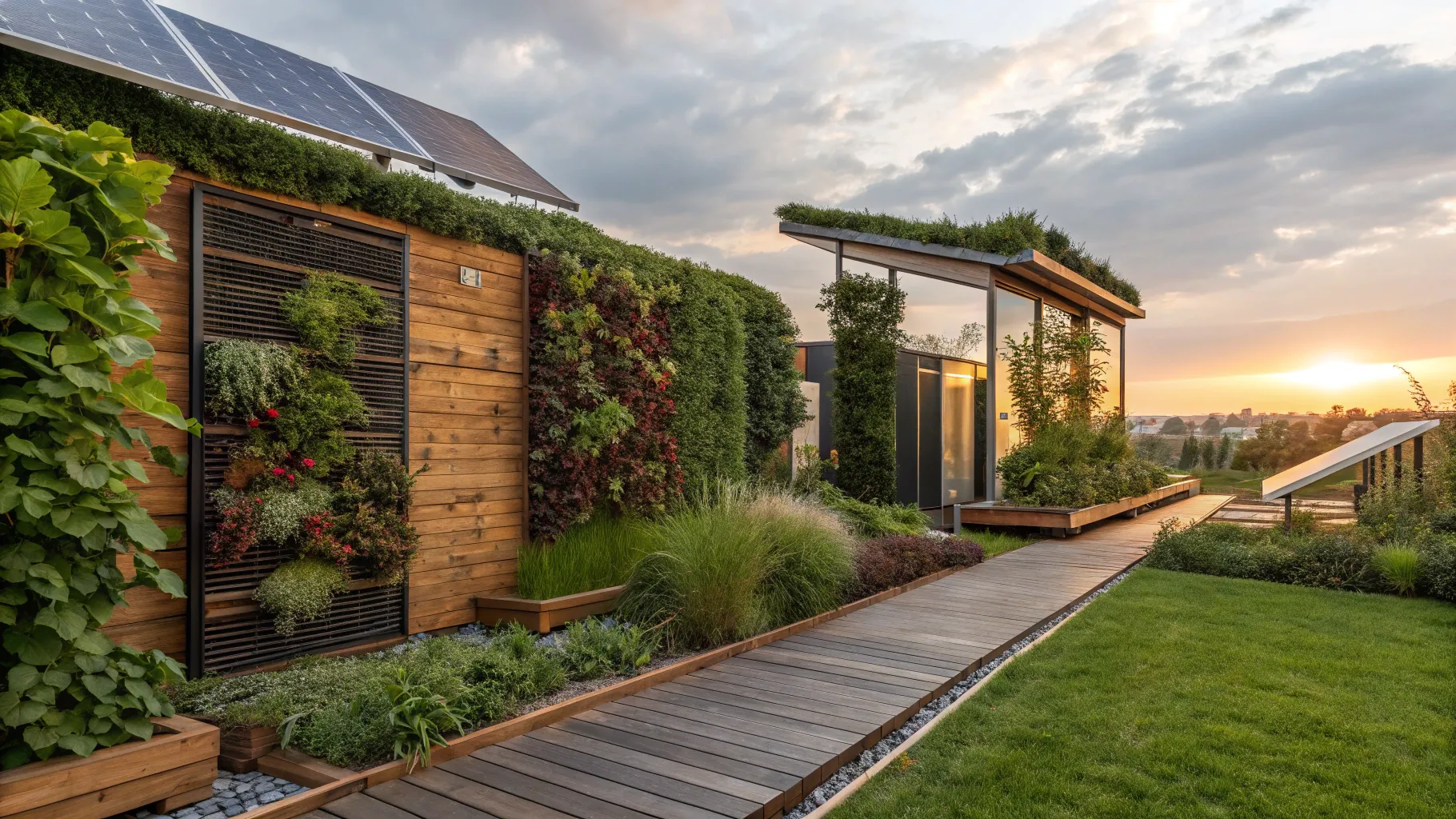
Understanding the importance of green design is crucial in today’s world, where climate change and environmental degradation pose significant threats. As of 2025, global temperatures continue to rise, emphasizing the urgent need for eco-friendly initiatives. According to a recent report from the World Green Building Council, buildings are responsible for 39% of global carbon emissions. Implementing green design strategies can significantly reduce these emissions and promote a healthier planet.
How Green Design Reduces Environmental Impact
The way we design and build our homes can either contribute to environmental degradation or help restore the planet’s health. Green design reduces environmental impact in several ways:
- Energy Efficiency: Incorporating energy-efficient appliances, LED lighting, and advanced heating and cooling systems can cut energy usage significantly.
- Water Conservation: Designs that include rainwater harvesting and drought-resistant landscaping help optimize water usage.
- Sustainable Materials: Using materials that are recycled, reclaimed, or certified by organizations like the Forest Stewardship Council helps preserve natural resources.
- Improved Indoor Air Quality: Employing low-VOC paints and finishes ensures that the interiors are healthier for occupants.
- Waste Reduction: Designing for disassembly and using modular components minimizes construction waste significantly.
By focusing on these strategies, green design not only reduces environmental impact but also generates economic benefits, such as lower utility bills and potentially increased property values.
Best Sustainable Materials for Interior Design
When considering eco-friendly home improvements, selecting sustainable materials plays a pivotal role. As we advance into 2025, several materials have surfaced as frontrunners in sustainable design:
- Bamboo: This rapidly renewable resource is not only strong and versatile but also absorbs about 30% more carbon dioxide than trees.
- Cork: Harvested from the bark of cork oak trees, it is a renewable material that requires no tree cutting and offers excellent thermal and acoustic insulation.
- Recycled Steel: Steel consumed can be repurposed again and again, making it an environmentally friendly option for framing and roofing.
- Reclaimed Wood: Sourcing wood from old barns or factories is not only stylish but also reduces the demand for new lumber, preventing deforestation.
- Ecologically Friendly Fabrics: Fabrics made from organic cotton, linen, or hemp are grown without harmful pesticides and reduce the environmental footprint associated with textile production.
Incorporating these materials into home design allows homeowners to embrace a sustainable lifestyle without compromising aesthetics. Many designers are now blending these eco-friendly materials with modern aesthetics, creating beautiful spaces that make a statement both environmentally and stylistically.
How to Make Your Home More Eco-Friendly
There are numerous ways to enhance the sustainability of your home, and many of these strategies are easier than you might think. Here are some practical tips:
- Install Solar Panels: Harnessing solar energy not only reduces reliance on fossil fuels but can significantly lower electricity bills.
- Upgrade Insulation: Proper insulation in walls, attics, and floors aids in maintaining temperature and reduces energy consumption.
- Choose Energy Star Appliances: These appliances are designed to be more efficient and use less energy, making a significant difference in your home’s energy profile.
- Embrace Smart Home Technology: Smart devices can monitor and optimize energy use in your home, making it easier to manage resources effectively.
- Incorporate Biophilic Design: Integrating nature into your living space through plants and natural light improves well-being and productivity while promoting a connection to the outdoors.
Simple changes can dramatically enhance your home’s eco-friendliness. Additionally, many local governments offer incentives for adopting green upgrades, making sustainable living more accessible than ever.
Top Green Design Trends for 2025
As we delve into 2025, green design continues to evolve, reflecting current values and technological advancements. Let’s explore some of the most exciting trends shaping sustainable architecture and interior design today:
- Regenerative Design: This trend goes beyond sustainability to create environments that actively improve ecosystems through responsible resource use and biodiversity.
- Biodegradable Materials: Designers increasingly opt for materials that decompose naturally, minimizing landfill contributions.
- Vertical Gardens: Incorporating greenery into urban settings not only enhances aesthetic value but also improves air quality and urban biodiversity.
- Passive House Design: This approach focuses on maximizing natural heating and cooling through strategic architectural decisions, significantly minimizing energy reliance.
- Construction with Less Carbon: Methods such as 3D printing are increasingly being used to create structures more sustainably, reducing waste and energy consumption.
These trends reflect a growing recognition of the importance of environmentally conscious design. Homeowners and designers alike are embracing innovative solutions that not only enhance living spaces but also prioritize the planet's health.
As green design continues to take center stage, its importance in creating a sustainable future becomes undeniably clear. From selecting materials to adopting eco-friendly practices, the choices made in garden and home design today will resonate for generations to come, fostering a healthier, happier planet.
Authored by FreshLifeWire team