Explore Composite Decking for Durability and Low Maintenance
What is Composite Decking?
Composite decking has rapidly gained popularity in residential and commercial outdoor spaces, becoming a top choice for homeowners and builders alike. Unlike traditional wood decking, composite decking is made from a blend of recycled plastic and wood fibers, offering a sustainable and durable alternative. The result is a material that not only mimics the appearance of real wood but also boasts enhanced durability and weather resistance, making it an excellent option for varying climates.
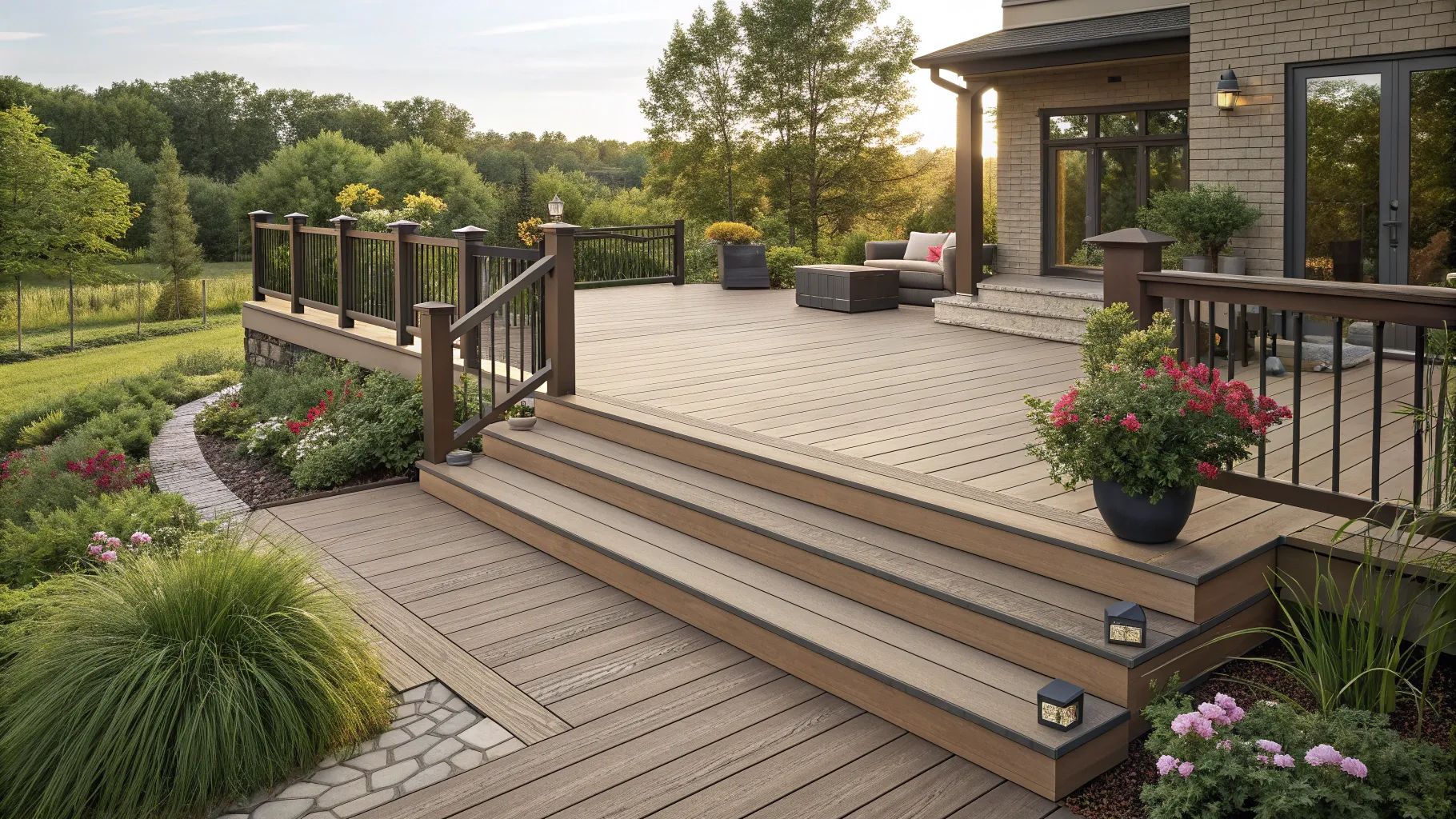
Composite vs Wood Decking
When considering decking options, the choice often comes down to composite versus wood decking. Each has its unique advantages and drawbacks, impacting the decision-making process of homeowners. While traditional wood decks, such as cedar or pressure-treated lumber, are aesthetically pleasing and often more affordable upfront, they require rigorous maintenance. This means annual staining, sealing, and, in some cases, replacing damaged boards due to weathering, rot, or insect infestations.
In contrast, composite decking eliminates much of this hassle. Modern composites are designed to withstand fading, staining, and scratching, providing a long-lasting surface with minimal upkeep. Research shows that composite decking can endure harsh weather conditions without warping or splintering, making it suitable for various environments. This durability means you can enjoy your outdoor space without the constant worry of upkeep.
Durability and Maintenance
One of the core selling points of composite decking is its exceptional durability. According to a recent survey conducted among contractors, nearly 87% of professionals noted that composite decking significantly outlasts traditional wood decks. With a lifespan of 25 years or more, many composite brands now offer warranties that reflect this longevity. Some manufacturers have warranties extending to 30 years or more, reflecting confidence in their products.
Maintenance is also a crucial factor. While wood decking requires sanding, painting, or staining every year or two, composite decking needs only occasional cleaning with soap and water. In recent months, innovative composite brands have introduced advanced technologies that further reduce maintenance needs, including protective coatings that repel dirt and debris.
- Wood Decking Maintenance: Requires annual staining, sealing, and management of splinters.
- Composite Decking Maintenance: Generally needs a good wash twice a year to keep it looking new.
Moreover, composite materials are resistant to mold and mildew, essential in humid climates. Homeowners can breathe easy knowing their decks will remain safe and usable for gatherings and family outings.
Installation Steps and Tools
Installing composite decking is simpler than one might imagine, especially with the right tools and preparation. Here’s a basic overview of the installation process:
- Gather Your Materials: Apart from the composite boards, you will need appropriate fasteners (preferably hidden fasteners for a clean look), joist tape to protect the wood frame, and optional railing materials.
- Prepare the Substructure: Before laying down your decking, ensure that your joists are sturdy and level. This might involve reinforcing existing structures or installing new joists.
- Lay the Composite Boards: Start laying down the boards from one end of your deck. Use spacers to maintain consistent gaps, allowing for expansion and contraction. Securing the boards with hidden fasteners often results in a more polished appearance.
- Cutting and Finishing: Use a circular saw for cutting boards to fit around obstacles or at the edges. Once installed, add any comfortable railing or lighting systems to enhance safety and aesthetics.
Tools typically required include circular saws, drills, and safety gear. If you’re inexperienced, a helpful tip to consider is consulting with professional installers; many local stores offer installation services.
Cost Per Square Foot
When budgeting for your composite decking project, understanding the cost per square foot is essential. As of recent months, the price of composite decking materials ranges from $2.50 to $8.00 per linear foot, depending on the brand, quality, and color options. For a typical deck of about 300 square feet, total material costs can range from about $1,000 to $2,400.
It's also important to factor in the cost of installation. Professionals typically charge between $6 to $12 per square foot for labor, so ensure you incorporate these expenses into your final budget. If you’re handy and plan on a DIY project, you could save considerably on labor costs.
Best Brands and Warranties
In the competitive market of composite decking, several brands stand out for their quality, range of products, and reliable warranties. Notable mentions include:
- Trex: Recognized widely, offering warranties up to 50 years.
- Duration Decking: Known for eco-friendly materials featuring warranties of up to 30 years.
- Fiberon: Offers extensive color options and a reputation for exceptional durability with warranties reaching 50 years.
- TimberTech: Their enhanced grain finishes mimic wood beautifully, providing longevity and a strong warranty of up to 30 years.
Each brand provides different style and color options, making it easier to find a composite solution that fits your home's aesthetic. Always review warranties carefully; they will give you insight into the expected lifespan and the brand's reliability.
Whether you prioritize durability, aesthetics, or maintenance, composite decking is a fantastic investment for elevating your outdoor living space. As the decking options evolve in 2025, the sustainability and convenience of composite materials could undoubtedly make them the leading choice for homeowners everywhere.
Authored by FreshLifeWire team