Explore Causes of Chronic Shoulder Pain and Treatments
Understanding Possible Causes of Chronic Shoulder Pain
Chronic shoulder pain is a common ailment that affects millions of people worldwide. As we move through 2025, the understanding of this condition has evolved through advances in medical research and treatment options. Various factors can contribute to the development of chronic shoulder pain, and comprehending these can significantly affect how individuals seek treatment and manage their symptoms.
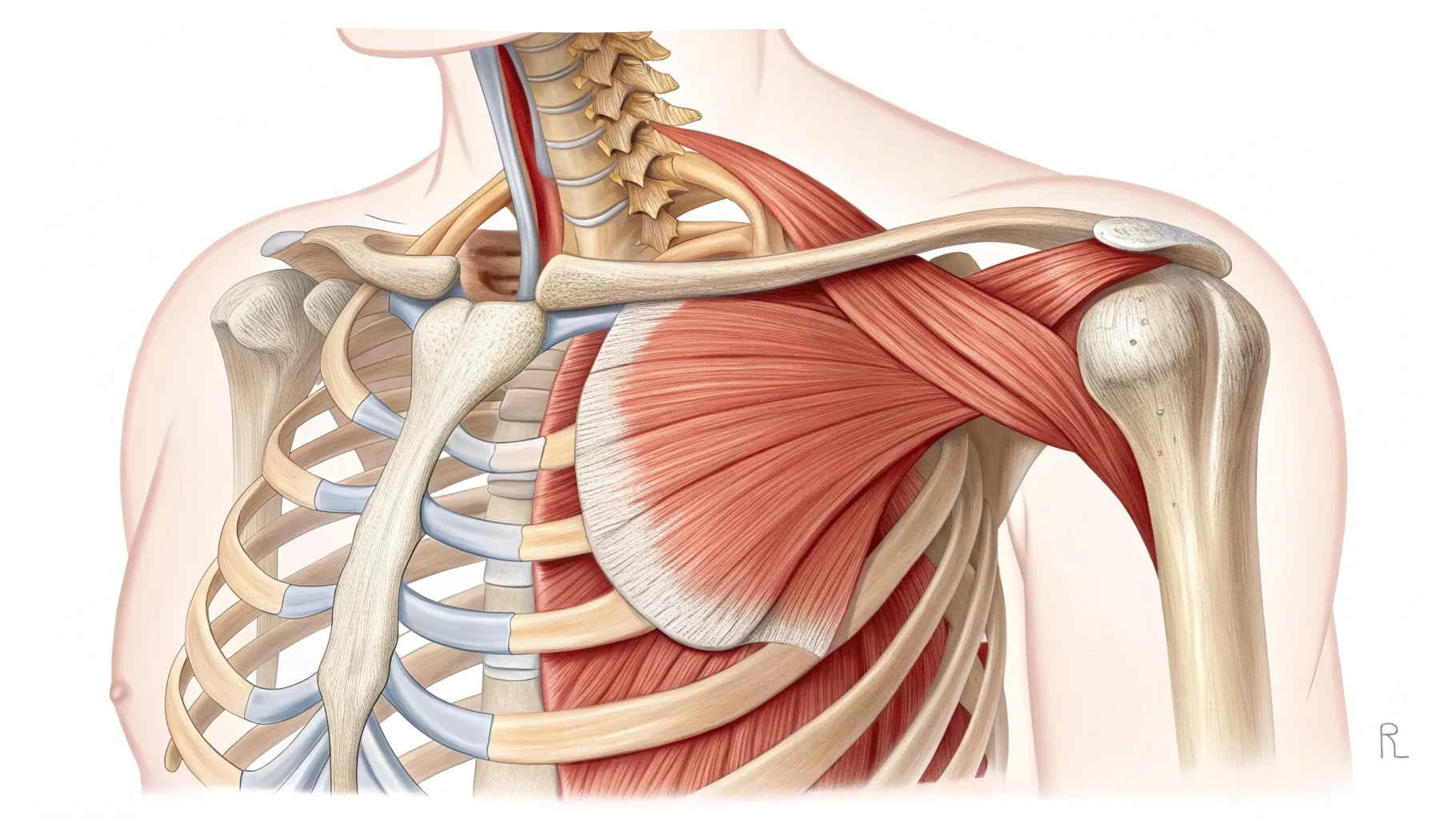
Common Causes of Chronic Shoulder Pain
Identifying possible causes of chronic shoulder pain is essential for effective treatment. Below, we dive into the various factors that can lead to ongoing discomfort and pain in the shoulder region.
- Rotator Cuff Injuries: One of the most prevalent causes, rotator cuff injuries occur due to acute injuries, repetitive strain, or degenerative changes. Recent studies indicate that approximately 4.5 million people in the United States seek medical attention for rotator cuff problems annually. Symptoms may include weakness and limited range of motion, significantly impacting daily activities.
- Shoulder Tendonitis: This condition arises from inflammation of the tendons in the shoulder joint, often due to overuse. Professional and amateur athletes alike commonly suffer from tendonitis. It’s estimated that about 30% of sports-related injuries involve the shoulder, making proper treatment and rehabilitation crucial for recovery.
- Frozen Shoulder (Adhesive Capsulitis): Characterized by stiffness and pain, frozen shoulder can develop without any obvious cause or may be triggered by an injury or surgery. This condition may last from months to years, affecting around 2-5% of the general population, especially women aged 40-60.
- Arthritis: Conditions like osteoarthritis and rheumatoid arthritis can lead to chronic shoulder pain by damaging cartilage and causing inflammation. With approximately 54 million adults in the United States diagnosed with some form of arthritis, the impact on shoulder health grows increasingly significant.
- Bursitis: Involving inflammation of the bursa (the small, fluid-filled sacs that cushion bones), bursitis can result from repetitive impact on the shoulder—sometimes affecting those with physically demanding jobs or lifestyle habits involving overhead activities.
Additionally, diabetes, thyroid disorder, and even certain systemic diseases can be linked to an increased likelihood of developing shoulder pain. Hence, a comprehensive review of medical history and lifestyle choices is crucial when diagnosing the cause of chronic shoulder pain.
Myofascial Pain Syndrome
Myofascial pain syndrome is a condition marked by the presence of trigger points—tight knots in muscles that can refer pain to the shoulder and back. Research data indicates that myofascial pain can exacerbate the pain experienced in those with existing shoulder issues, making it difficult to determine the root cause of discomfort. Currently, it is estimated that up to 85% of people may experience a form of myofascial pain at some point.
The integration of physical therapy, stretching exercises, and targeted massage into treatment plans can help alleviate symptoms significantly. A case study published in early 2025 highlighted a comprehensive treatment approach that reduced pain levels by over 70% in chronic shoulder pain patients within three weeks. This included physical therapy and behavioral interventions, illustrating the importance of a holistic approach.
Lifestyle Factors in Chronic Shoulder Pain
Lifestyle choices play an integral role in developing chronic shoulder pain. Sedentary behavior, poor posture, and lack of physical activity can exacerbate shoulder issues. Recent data shows that around 75% of office workers develop neck and shoulder discomfort, largely attributable to prolonged sitting and poor ergonomics.
- Poor Posture: Slouching or leaning forward while seated can place unnecessary strain on shoulder muscles, exacerbating pain over time. Awareness and corrective measures, such as ergonomic office setups and regular breaks to stretch, can mitigate these effects.
- Exercise Habits: A lack of regular exercise is detrimental, but conversely, excessive repetitive overhead motions without proper warm-up can lead to injury. For instance, athletes often report shoulder pain due to a lack of conditioning or improper technique.
Nutrition also impacts recovery from shoulder pain. Anti-inflammatory diets rich in omega-3 fatty acids, leafy greens, and whole grains are recommended to combat inflammation and promote healing. Studies show that maintaining a nutrient-rich diet can aid in recovery and overall joint health.
Signs and Symptoms to Watch For
Understanding the signs and symptoms of chronic shoulder pain is essential for early intervention. Patients often report:
- Persistent pain in the shoulder area or surrounding muscles
- Limited motion during daily activities, such as reaching overhead
- Symptoms such as swelling, warmth, or tenderness in the shoulder joint
- Discomfort while sleeping or resting
- Muscle weakness in the arm or shoulder
If you are experiencing any of these symptoms, it is crucial to consult a healthcare professional as early intervention can help prevent the condition from worsening and leading to more significant complications.
Next Steps and Treatment Options
For those dealing with chronic shoulder pain, consulting with a healthcare provider is the first step toward identifying the underlying cause. In 2025, treatment options continue to evolve, offering relief through a combination of:
- Physical therapy tailored to individual needs, focusing on strengthening and stabilizing shoulder areas
- Medication, including anti-inflammatory drugs to reduce swelling and pain
- Possible surgical interventions for more severe cases involving rotator cuff tears or persistent frozen shoulder
- Alternative therapies, such as acupuncture or massage, to complement conventional treatment
As chronic shoulder pain can significantly impact quality of life, it is vital to address these possible causes of chronic shoulder pain proactively, utilizing the support of healthcare professionals. Living actively and monitoring your shoulder health can lead to a life with less pain and more mobility.
Authored by FreshLifeWire team