Explore the Major Benefits of Modular Homes
Benefits of Modular Homes
As the demand for affordable and sustainable housing continues to grow, modular homes are emerging as a viable solution for many future homeowners. In recent months, interest in modular homes has seen a considerable rise due to their numerous advantages. From cost-effective modular housing to rapid construction timelines, let’s explore the compelling reasons why modular houses are becoming a popular choice in 2025.
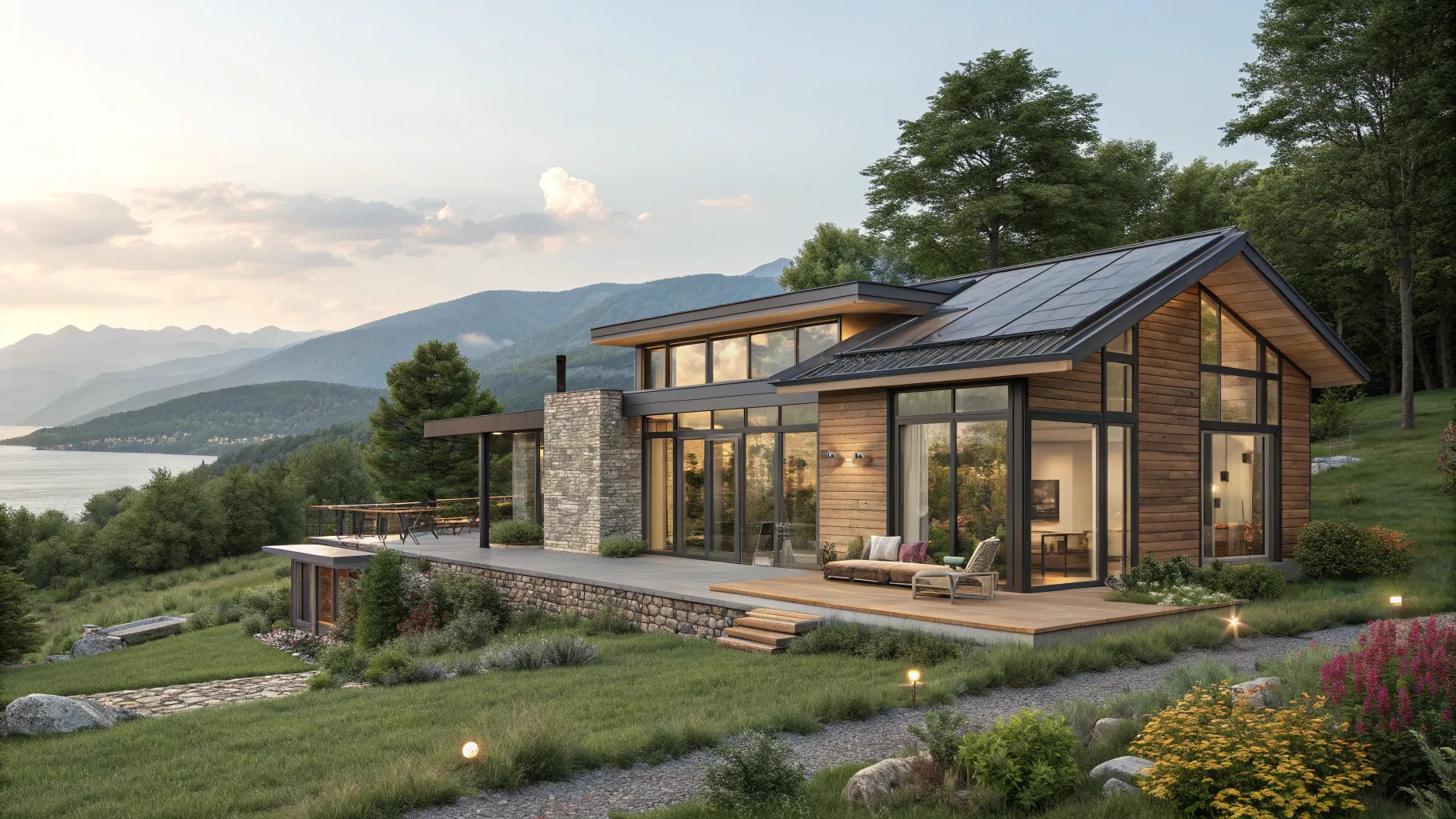
Cost-Effective Modular Housing
One of the most significant benefits of modular homes is their affordability. Statistics show that homeowners can save up to 20% on overall construction costs compared to traditional site-built homes. This cost-effectiveness can be attributed to streamlined manufacturing processes and reduced labor expenses. Most modular homes are built in a factory setting, where efficiency is maximized.
For example, a recent case study from Columbus, Ohio, revealed that a family saved around $50,000 by choosing a modular home over a conventional build. The family achieved their dream of homeownership without breaking the bank, illustrating how cost-effective modular housing can make a real difference in people's lives.
Fast Modular Home Construction
Another attractive feature of modular homes is the speed of construction. Once the design is finalized, parts of the home can be constructed simultaneously, which dramatically reduces the time required for completion. Many modular homes are delivered and installed within a matter of weeks, allowing homeowners to settle in much faster than with traditional builds, often taking several months to over a year.
- In 2025, the average construction time for a modular home is reported to be around 16 weeks from start to finish.
- This includes both design phase and site preparation, which is a fraction of the time needed for conventional homes.
This rapid construction capability appeals especially to first-time homebuyers and those seeking immediate housing solutions. In areas affected by natural disasters, modular homes provide timely and efficient shelter, showcasing their versatility and importance in urgent situations.
Energy Efficiency of Modular Homes
With an increasing global focus on sustainability and energy conservation, the energy efficiency of modular homes plays a significant role in their appeal. The construction methods used in modular building allow for higher insulation levels and a tighter seal, minimizing energy loss.
In a recent comparative analysis by the National Renewable Energy Laboratory, modular homes have been noted to consume up to 30% less energy than standard homes when equipped with energy-efficient appliances and systems. Homebuyers in 2025 are not only considering the initial purchase price but also the long-term costs associated with energy bills. Here’s how modular homes stand out:
- Advanced HVAC Systems: Many modular homes come with modern, high-efficiency heating and cooling systems.
- Eco-Friendly Materials: Builders often use sustainable and recycled materials that contribute to energy efficiency.
- Operational Performance: Modular homes can be designed with solar panels or green roofing, further reducing energy dependence.
Sustainable Modular Building
Modular homes are often lauded for their sustainability. The manufacturing process generates less waste than traditional building methods, with most factories employing systems to recycle leftover materials. In fact, recent statistics highlight that modular construction can reduce waste by more than 60%. This environmentally-conscious approach appeals to today’s eco-aware buyers.
Moreover, as more people prioritize their environmental impact, interest in sustainable building practices has surged. Companies that infuse sustainability into their practices, such as using recycled materials and conserving energy during construction, see a better response from potential buyers. This eco-friendly narrative has become an essential marketing point for modular homes.
Modular Home Quality Control
Quality is critical when investing in a home, and modular construction addresses this concern through rigorous quality control processes. Since modular homes are built in controlled factory environments, they are less susceptible to weather-related delays and issues that often plague site-built homes.
According to recent findings, around 90% of a modular home’s construction occurs in the factory. This means craftsmen can ensure each home meets industry standards, and many manufacturers offer various warranties to cover their homes. Such comprehensive quality assurance grants potential homeowners peace of mind.
Flexible Modular Home Design
Flexibility is another key benefit of modular homes. Potential homeowners can tailor numerous aspects of their build, from floor plans to materials and finishes, truly making it their own. This customization is not only appealing but also allows for designs that suit the lifestyle and needs of residents.
In 2025, innovative design options have increased significantly. Homebuyers can choose from various layouts and styles, whether they're looking for sleek modern designs or traditional aesthetics. This adaptability means that modular homes can cater to various demographics, including young families, retirees, and eco-conscious individuals.
Real-world examples highlight success stories where families transformed standard modular designs into personalized dream homes. With customization options available at affordable prices, more people are turning to modular solutions when seeking their perfect living space.
Overall, the benefits of modular homes are numerous and varied, making them a viable option for many potential homeowners today. As efficiency, affordability, sustainability, and flexibility become increasingly crucial in housing, modular homes represent a forward-thinking choice that aligns closely with contemporary preferences.
Authored by FreshLifeWire team