PVC Wall Panels
What are PVC Wall Panels
PVC wall panels are a modern construction solution made primarily of polyvinyl chloride, a durable plastic widely used in construction. Designed to mimic the appearance of traditional materials such as wood, stone, or tile, they have gained popularity in residential and commercial applications. These panels are available in a variety of sizes, colors, and textures, making them a versatile option for both new constructions and renovations. Unlike drywall or plaster, PVC wall panels do not require complex finishing processes, allowing for quicker installations.
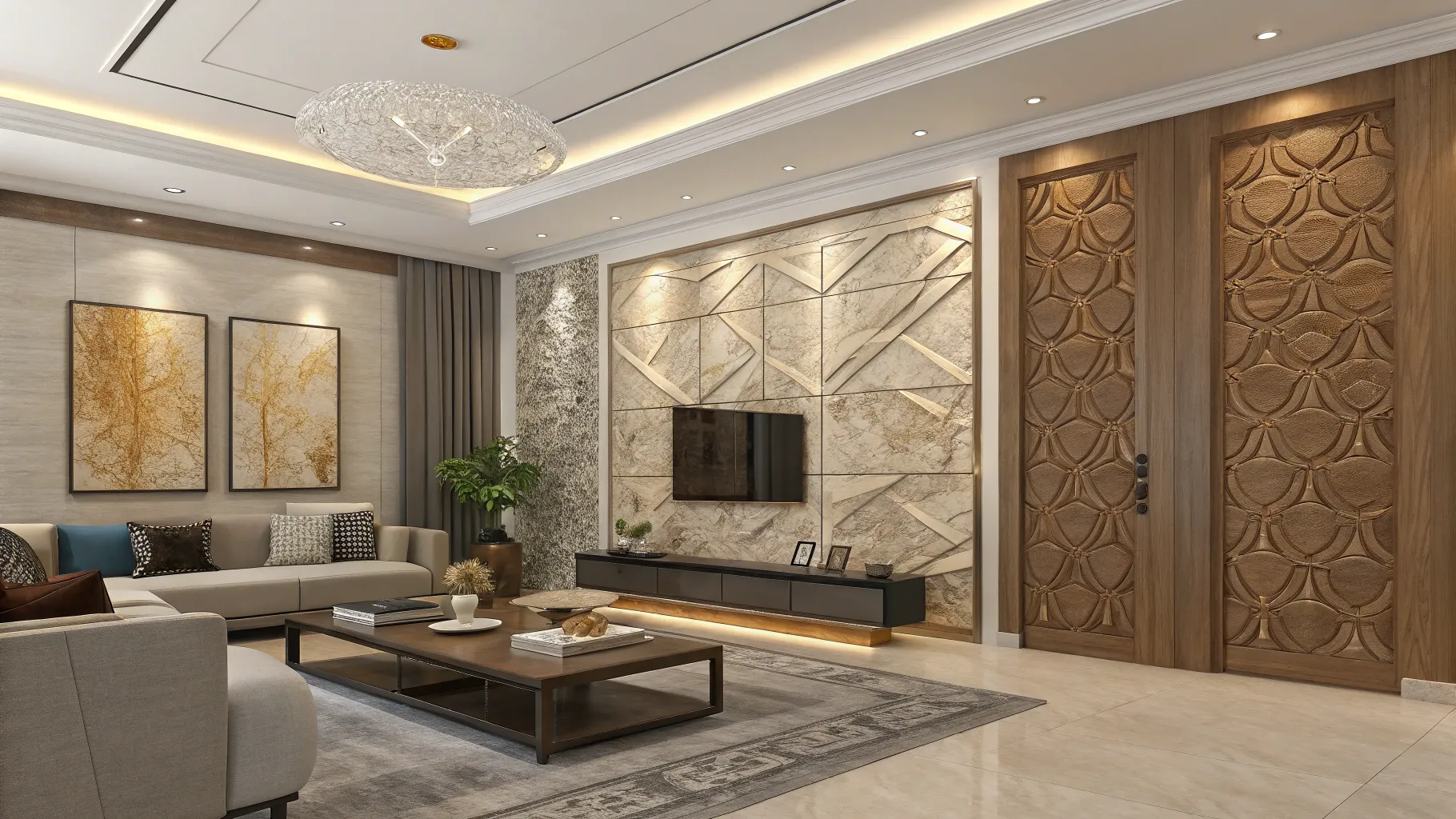
Benefits of PVC Wall Panels
- Water Resistance: One of the standout features of PVC wall panels is their waterproof nature. They do not absorb moisture, making them an ideal choice for rooms prone to humidity, such as bathrooms and kitchens.
- Durability: PVC panels are highly resistant to impact, stains, and corrosion, ensuring they maintain their appearance over time and can handle everyday wear and tear.
- Maintenance-Free: These panels require minimal maintenance. A simple wipe with a damp cloth is usually sufficient to clean them, making them a hassle-free option in busy households.
- Cost-Effective: Compared to traditional wall covering materials, PVC wall panels can be more affordable. The initial cost is often lower, and the longevity of the product means less frequent replacements.
- Design Versatility: With advancements in manufacturing, PVC wall panels now come in a plethora of designs, from sleek contemporary looks to rustic styles, offering something for everyone’s taste.
- Eco-Friendly: Many manufacturers are now creating PVC panels from recycled materials, making them a sustainable choice for environmentally conscious consumers.
How to Install PVC Wall Panels
Installing PVC wall panels can be a straightforward DIY project for homeowners looking to enhance their interiors without the need for professional help. Here's a simplified overview of the installation process:
- Preparation: Start by cleaning the wall surface. Ensure that the wall is smooth and free from any dust or debris.
- Measurements: Measure the wall where you plan to install the panels. Many panels are available in 8-foot lengths, but adjustments may be needed depending on your specific wall height.
- Cutting: Use a fine-tooth saw or a utility knife to cut the panels to the desired sizes. Remember to wear protective gear while cutting.
- Adhesive Application: Apply a strong adhesive suitable for PVC panels directly onto the wall or the back of the panels. Ensure even coverage for better adherence.
- Panel Installation: Start at one corner and press the first panel onto the wall. Use spacers to help maintain even gaps for expanded fittings.
- Finishing Touches: Once all panels are in place, trim any excess material and install edge trims if necessary.
The installation process can typically be completed within a day or two, depending on the size of the area being covered.
Waterproof PVC Wall Panels
The waterproof property of PVC wall panels is particularly advantageous in moisture-laden areas. Unlike traditional wall surfaces, which can warp or rot when exposed to humidity, these panels will remain unscathed. One recent example of this is their use in high-moisture environments, like indoor swimming pools and spa facilities, where they not only enhance aesthetics but also maintain structural integrity. In these locations, the panels act as a protective barrier against water damage, ultimately saving building owners from costly repairs.
PVC Wall Panel Design Trends
As of 2025, the design flexibility of PVC wall panels continues to evolve. Currently trending are textured panels that replicate natural materials, such as wood grains or stone finishes, offering an upscale appearance without the associated maintenance. Digital printing technology allows for custom designs to be printed directly onto the panels, making it possible for homeowners and businesses to incorporate personal images or company logos into their wall decor.
Moreover, advanced printing techniques enable vibrant colors and patterns that can transform any space. From minimalist designs to bold geometric patterns, the choices available today are virtually limitless, satisfying all style preferences.
Cost of PVC Wall Panels
In 2025, the cost of PVC wall panels can vary widely based on the type, design, and thickness. On average, homeowners can expect to pay between $5 to $15 per square foot, installation included. This pricing often includes panels treated for UV-resistance and enhanced durability. Furthermore, due to the panels’ longevity and low maintenance, they often represent a more economical choice in the long run compared to traditional materials, which can incur additional costs in upkeep and repair.
PVC Wall Panel Maintenance
Maintaining PVC wall panels is incredibly easy, contributing to their widespread appeal. Since they are made from plastic, these panels do not require painting or sealing. To keep them looking their best, regular cleaning with a soft cloth and mild detergent is usually sufficient. Avoid harsh chemicals that could potentially damage the surface. In the case of scratches or marks, many manufacturers produce touch-up paint that matches their specific panels, allowing for seamless repairs.
Overall, the convenience of maintenance together with their durability makes PVC wall panels a compelling option for busy homeowners or those looking for a stylish yet practical solution for interior wall applications. With a growing variety of designs and a competitive cost, it's no wonder they're becoming a go-to choice in contemporary design.
Authored by FreshLifeWire team