Explore Bathroom Wall Panels Pros and Cons for Renovation
Understanding Bathroom Wall Panels: Pros and Cons
As homeowners increasingly seek ways to enhance their bathrooms without the hassle of traditional renovations, bathroom wall panels have emerged as a popular alternative to conventional tiles. But are bathroom wall panels worth it? Let's dive into their pros and cons to help you make an informed decision.
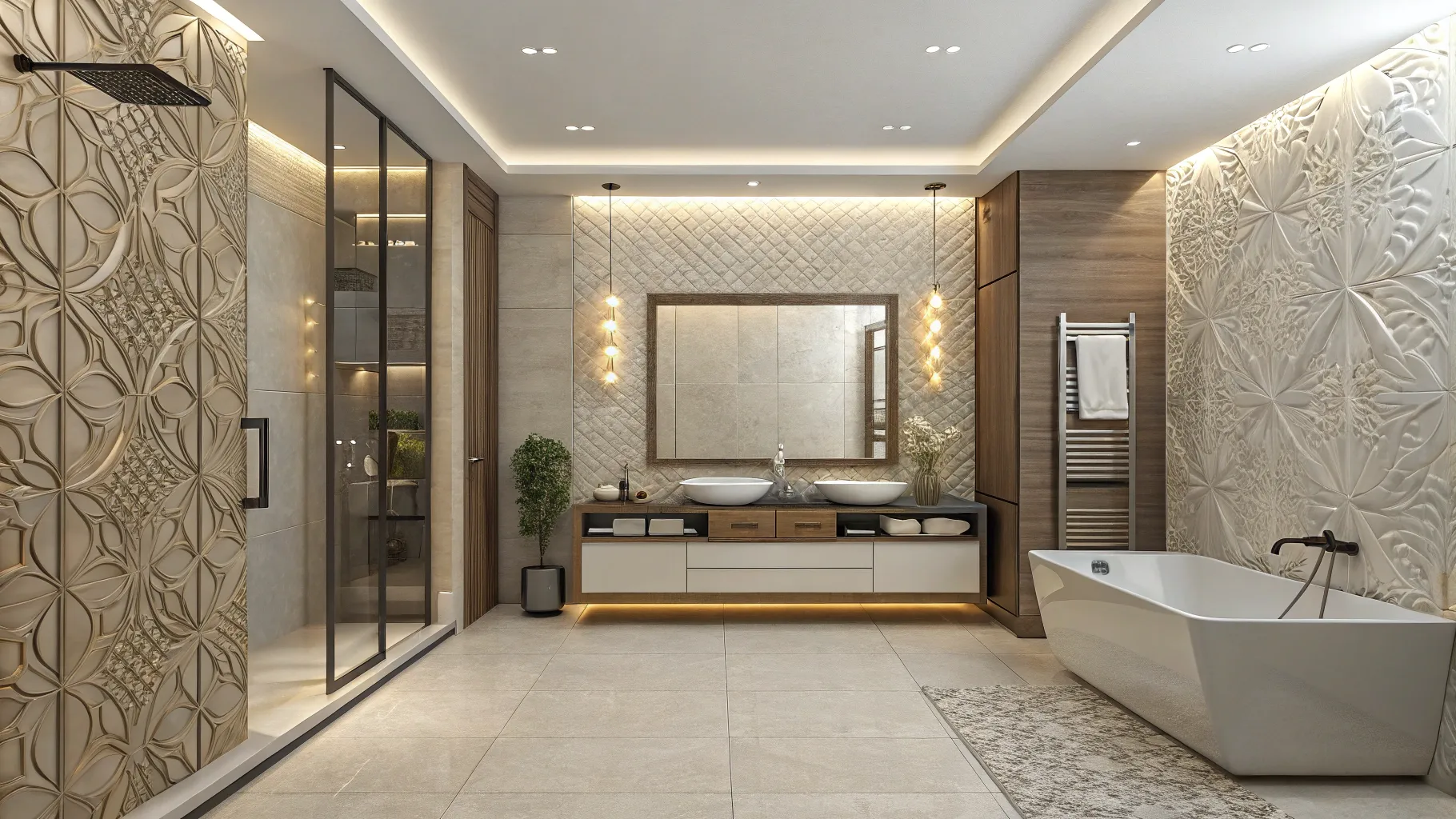
Pros of Bathroom Wall Panels
- Easy Installation: Wall panels are designed for quick and straightforward installation. Unlike tiles that require grout and meticulous placement, wall panels can often be installed over existing surfaces, dramatically reducing labor costs and time.
- Waterproof Qualities: One of the standout features of bathroom wall panels is their waterproof nature. Made from materials such as PVC or acrylic, they effectively repel moisture, which is essential in preventing mold and mildew.
- Low Maintenance: Maintaining bathroom wall panels is a breeze. In contrast to tiles, which may accumulate grime in grout lines, wall panels can simply be wiped down with a damp cloth and mild detergent, keeping them looking fresh and clean.
- Variety of Designs: These panels come in a myriad of colors and textures, mimicking the appearance of natural materials like wood or stone without the hefty price tag. You can customize your bathroom to suit your style effortlessly.
Cons of Bathroom Wall Panels
- Durability Concerns: While most bathroom wall panels are quite durable, they are not as robust as tiles. They can scratch or dent more easily, particularly in high-traffic bathrooms or if heavy objects are dropped.
- Aesthetic Limitations: Though they offer many design options, some find that panels do not achieve the same luxury feel as beautifully laid tiles. The look can feel less intricate, which may not suit every homeowner's taste.
- Expansion and Contraction: Depending on the climate and installation quality, bathroom wall panels can expand or contract slightly with temperature changes, potentially leading to gaps or warping over time.
Bathroom Wall Panels vs Tiles: Which is Better?
When evaluating bathroom wall panels vs tiles, it's essential to consider your priorities. For instance, if durability and a high-end aesthetic are your top concerns, natural stone or ceramic tiles might be your best bet. However, if you value affordability and ease of installation, bathroom wall panels are the clear winner.
Making the Right Choice
Imagine this scenario: You've just moved into a new home, and the bathrooms need a refresh. You could spend countless hours meticulously placing tiles, resulting in higher costs both in materials and labor. Alternatively, you might opt for a stylish set of bathroom wall panels that transform your space in days instead of weeks.
Furthermore, recent market statistics show that the demand for wall panels has surged by 30% over the last year due to their growing popularity among homeowners seeking renovation solutions. This trend indicates both a shift in consumer preferences and a recognition of the advantages that wall panels provide.
How Durable are Bathroom Wall Panels?
Durability varies across different brands and materials. Most reputable bathroom wall panels boast durability ratings comparable to traditional tiles. For instance, high-quality acrylic panels can withstand impacts better than many other materials. Conversely, lower-quality panels may not hold up as well and can show wear and tear more quickly.
According to a consumer report published just last month, leading bathroom panel brands have improved their engineering to enhance resistance against UV rays, moisture, and damage. One popular brand recently introduced a panel that features a reinforced backing, making it a robust option for families with children or pets.
Benefits of Bathroom Wall Panels
Beyond aesthetic appeal and practical usage, bathroom wall panels provide numerous advantages:
- Cost-Effectiveness: When calculating renovation costs, consider both materials and labor. Wall panels can be significantly cheaper than tiles since you avoid professional installation costs and lengthy tiling processes.
- Energy Efficiency: Many wall panels offer excellent insulation properties. This can help maintain your bathroom's temperature, potentially reducing energy bills, especially in homes where heating is necessary during colder months.
- Environmentally-Friendly Options: Many manufacturers now create wall panels from recycled materials or eco-friendly resources, allowing homeowners to choose sustainable options without sacrificing style.
In the current climate of home improvement, where eco-considerations are vital, being mindful of environmental impact while making aesthetic decisions is becoming increasingly important.
Are Bathroom Wall Panels Waterproof?
Absolutely! One of the most significant advantages is that bathroom wall panels are designed to be waterproof. This feature is particularly crucial in areas subject to water exposure, like showers and around sinks. Unlike traditional tiles where grout can absorb moisture, wall panels eliminate this problem. Consequently, they help prevent long-term damage to your bathroom structure and reduce the maintenance required to keep it mold-free.
In conclusion, whether you are leaning towards bathroom wall panels or traditional tiles, each option has distinct characteristics that cater to different preferences. Considering these aspects will guide you in making a choice that enhances not only the aesthetic of your space but also its longevity and maintenance over time.
Ultimately, choosing the right material for your bathroom renovation should take into account lifestyle, budget, and personal taste—because a bathroom should be both functional and a joy to use every day.
Authored by FreshLifeWire team