Ex-Military Night Vision For Sale: The Ultimate 2025 Buyer's Guide
Venturing into the world of night vision can be an exciting prospect for outdoor enthusiasts, security professionals, and collectors. The allure of owning a piece of advanced military technology is strong, but navigating the market for ex-military night vision goggles requires knowledge and caution. As of December 2025, the market is filled with various options, and this guide will help you make an informed decision.
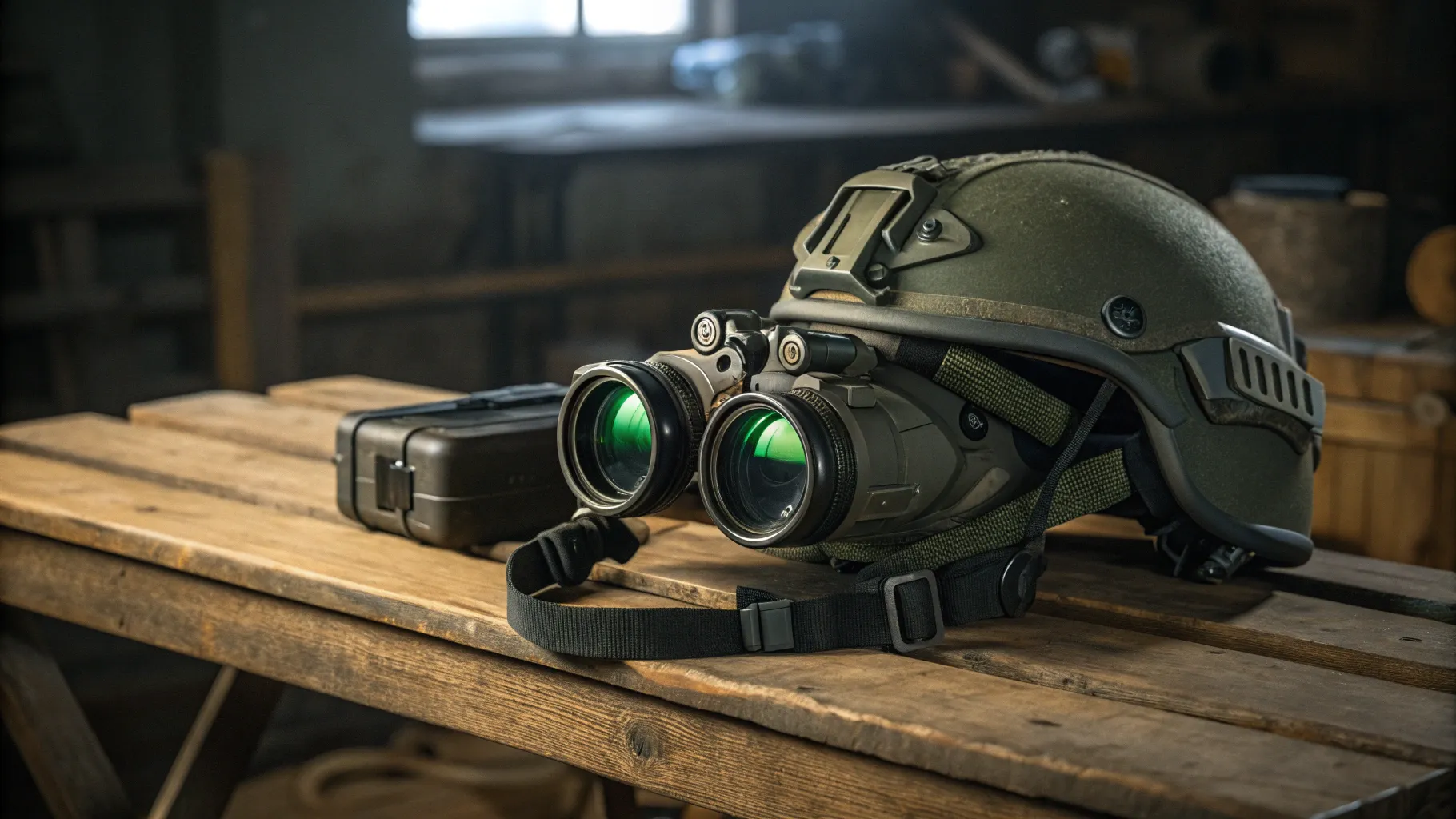
Understanding the Types of Military Night Vision
Before you start shopping, it’s crucial to understand what you're looking for. Military night vision devices (NVDs or NVGs) primarily come in a few form factors, each with its own advantages. The most common are monoculars (a single eyepiece), binoculars (two eyepieces and two objective lenses), and goggles (typically a binocular eyepiece system with a single objective lens). However, the most critical factor that determines performance and price is the generation of the image intensifier tube inside.
Gen 1 vs Gen 2 vs Gen 3 Differences
The 'generation' of a night vision device refers to the level of its image intensifier tube technology. This is the heart of the device, responsible for amplifying ambient light. The differences in performance are significant.
Generation 1 (Gen 1)
This is the oldest and most affordable technology. While functional, it has limitations:
- Requires significant ambient light (like a full moon) to work well.
- Often needs an infrared (IR) illuminator.
- The image can be blurry or distorted, especially around the edges.
- Shorter lifespan and more susceptible to damage from bright light.
Generation 2 (Gen 2)
A major leap forward from Gen 1, Gen 2 devices offer better performance and are a popular middle-ground for civilian use.
- Features a Micro-Channel Plate (MCP) for clearer, brighter images.
- Works in much lower light conditions without an IR illuminator.
- Longer tube life and greater durability.
- The current standard for many non-military professional applications.
Generation 3 (Gen 3)
This is generally the standard for military forces, including the U.S. military. It offers superior performance but comes with a higher price tag and more regulations.
- Extremely clear, bright, and sharp images even in near-total darkness.
- Exceptional tube life, often exceeding 10,000 hours.
- The use of a gallium arsenide photocathode greatly improves light sensitivity.
Navigating Legal Restrictions for Civilian Ownership
This is one of the most important considerations. The sale and ownership of night vision devices, especially high-end military-grade units, are regulated. In the United States, the International Traffic in Arms Regulations (ITAR) governs the export of defense-related technology. Gen 3 night vision devices are typically ITAR-controlled, meaning they cannot be exported without a license, and selling them to non-U.S. citizens within the U.S. can be illegal. As of late 2025, it is crucial to verify the seller's credentials and ensure you are legally permitted to own the device you are purchasing. Always research your local and federal laws.
Where to Buy Surplus NVGs
Finding legitimate ex-military night vision for sale requires looking in the right places. Stolen military property is a serious issue, so always buy from reputable sources.
- Specialized Retailers: Companies that specialize in night vision and tactical gear are your safest bet. They often sell new commercial units and sometimes have legitimate, trade-in surplus devices.
- Reputable Online Forums: Established online communities dedicated to firearms and tactical gear often have classified sections where trusted members buy and sell used equipment.
- Auctions and Government Surplus Sites: Occasionally, government agencies will auction off older or decommissioned equipment. This requires careful research to ensure you're buying a functional unit.
How to Check Condition and Authenticity
When you've found a potential device, a thorough inspection is key. If you're buying used surplus NVGs, you must know what to look for.
- Check the Image Intensifier Tube: Turn the device on in a dark room. Look for black spots or 'blems' (blemishes) in the image. While a few small spots are common even in new tubes, excessive blemishes can obstruct your view.
- Ask for the Data Sheet: High-end Gen 3 tubes often come with a data sheet from the manufacturer detailing its specific performance specs (like FOM, SNR, and EBI). This is a good sign of authenticity.
- Inspect the Housing: Look for cracks, deep scratches, or signs of tampering. Ensure the focus adjustments and switches work smoothly.
- Verify Power Source: Check the battery compartment for corrosion and ensure it powers on correctly. Test it to see if it holds a charge and doesn't flicker.
By carefully considering these factors, you can confidently navigate the market and find a quality ex-military night vision device that suits your needs and budget.
References:
www.atncorp.com/night-vision-generations
www.tnvc.com/night-vision-guides/
www.pmddtc.state.gov/ddtc_public
Authored by FreshLifeWire team