Ex-Army Extreme Weather Boots: A 2025 Guide to Insulation & Sizing
As we head into the winter of 2025, the demand for durable, high-performance footwear is at an all-time high. Ex-army extreme weather boots offer unparalleled protection and ruggedness, originally designed for the harshest conditions imaginable. This guide will walk you through everything you need to know, from understanding complex features to ensuring you get an authentic pair.
Decoding Military Boot Insulation Levels
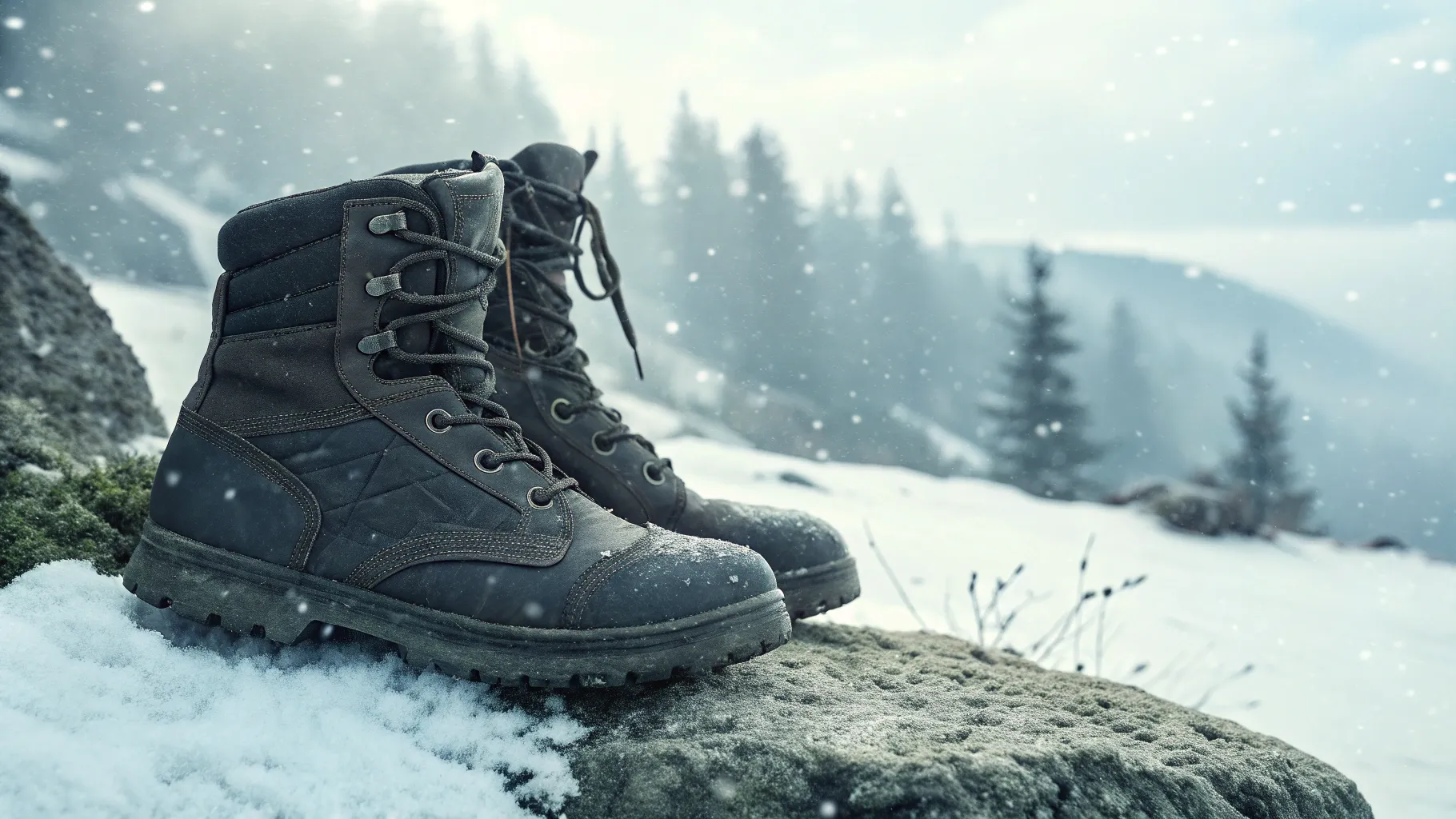
One of the most critical factors in extreme weather footwear is insulation. Unlike standard commercial boots, military specs are precise and mission-oriented. Understanding military boot insulation levels is key to choosing the right pair for your needs.
- Moderate Cold (200g-400g): Boots with 200 to 400 grams of Thinsulate™ or equivalent insulation are designed for active use in cool to cold conditions, preventing overheating while on the move.
- Severe Cold (600g-1000g): For more stationary activities or significantly colder climates, insulation levels between 600g and 1000g provide substantial warmth without excessive bulk.
- Extreme Cold (Vapor Barrier Boots): The classic military 'Mickey' or 'Bunny' boots use a sealed air and wool insulation system. These are rated for sub-zero temperatures and are the gold standard for extreme cold protection.
Essential Waterproofing Features
Staying dry is just as important as staying warm. Military boots incorporate advanced waterproofing features designed to withstand full submersion and prolonged exposure to wet environments.
GORE-TEX and Membrane Liners
A GORE-TEX bootie is the most common feature in modern military footwear. This waterproof yet breathable membrane allows sweat vapor to escape while blocking liquid water from entering, keeping your feet dry from both inside and out.
Construction Matters
Look for features like a gusseted tongue, which is attached to the boot on both sides to prevent water, snow, and debris from entering. Additionally, full-grain leather uppers are often treated with hydrophobic coatings for an extra layer of water resistance.
Choosing the Right Sole Types for Harsh Terrain
Traction is non-negotiable in ice, snow, and mud. Manufacturers use specific sole types for harsh terrain to ensure stability and safety.
- Vibram Soles: Often considered the industry standard, Vibram soles like the Sierra and Bifida offer a deep, multi-directional lug pattern that provides excellent grip on varied surfaces.
- Panama Sole: Designed for jungle and mud, the Panama sole features wide, angled lugs that shed mud and debris quickly, preventing it from caking and reducing traction.
- Glacier/Ice Soles: Some specialized cold weather boots incorporate compounds that remain pliable in freezing temperatures or even have embedded grit for enhanced grip on ice.
Mastering the Fit: Sizing and Fit Tips
Military boot sizing can be notoriously tricky. Following these sizing and fit tips will help you avoid the pain of a poor-fitting boot.
First, military boots often come in narrow (N), regular (R), and wide (W) widths. It is crucial to measure your foot and check the manufacturer's specific sizing chart. When trying them on, wear the same thick, moisture-wicking socks you'd use in cold weather. Your heel should be locked in place with minimal slipping, but you should have enough room to wiggle your toes freely. A snug fit is good, but a tight fit will restrict circulation and lead to colder feet.
How to Verify Genuine Surplus Boots
The market for surplus gear is filled with replicas. Knowing how to verify genuine surplus boots ensures you're getting the quality and durability you're paying for.
- Check the NSN: Every genuine piece of military equipment has a National Stock Number (NSN). Look for this 13-digit number on the tongue tag or inside the boot. You can look this number up online to verify its authenticity.
- Manufacturer Markings: Look for official manufacturer names like Wellco, Belleville, or Danner, which are common government contractors. The markings should be clear and professional.
- Build Quality: Genuine issue boots are built to last. Inspect the stitching, the quality of the leather, and the way the sole is attached. Sloppy glue, frayed stitching, and cheap-feeling materials are red flags.
References:
www.militarysurplusworld.com/footwear-guides-2025
www.globalsecurity.org/military/systems/ground/cold-weather-boots
www.bellevilleboot.com/gov-specifications
Authored by FreshLifeWire team