Everything You Need to Know About Hearing Aids for Seniors
All You Need to Know About Hearing Aids for Seniors
In our golden years, many of us face the subtle yet impactful challenge of hearing loss. For seniors, this condition can severely disrupt social interactions, hinder communication, and even affect mental health. Understanding hearing aids is crucial for maintaining not just auditory health, but overall well-being. In this detailed guide, we dive into everything surrounding hearing aids, from types and costs to coverage possibilities under Medicare.
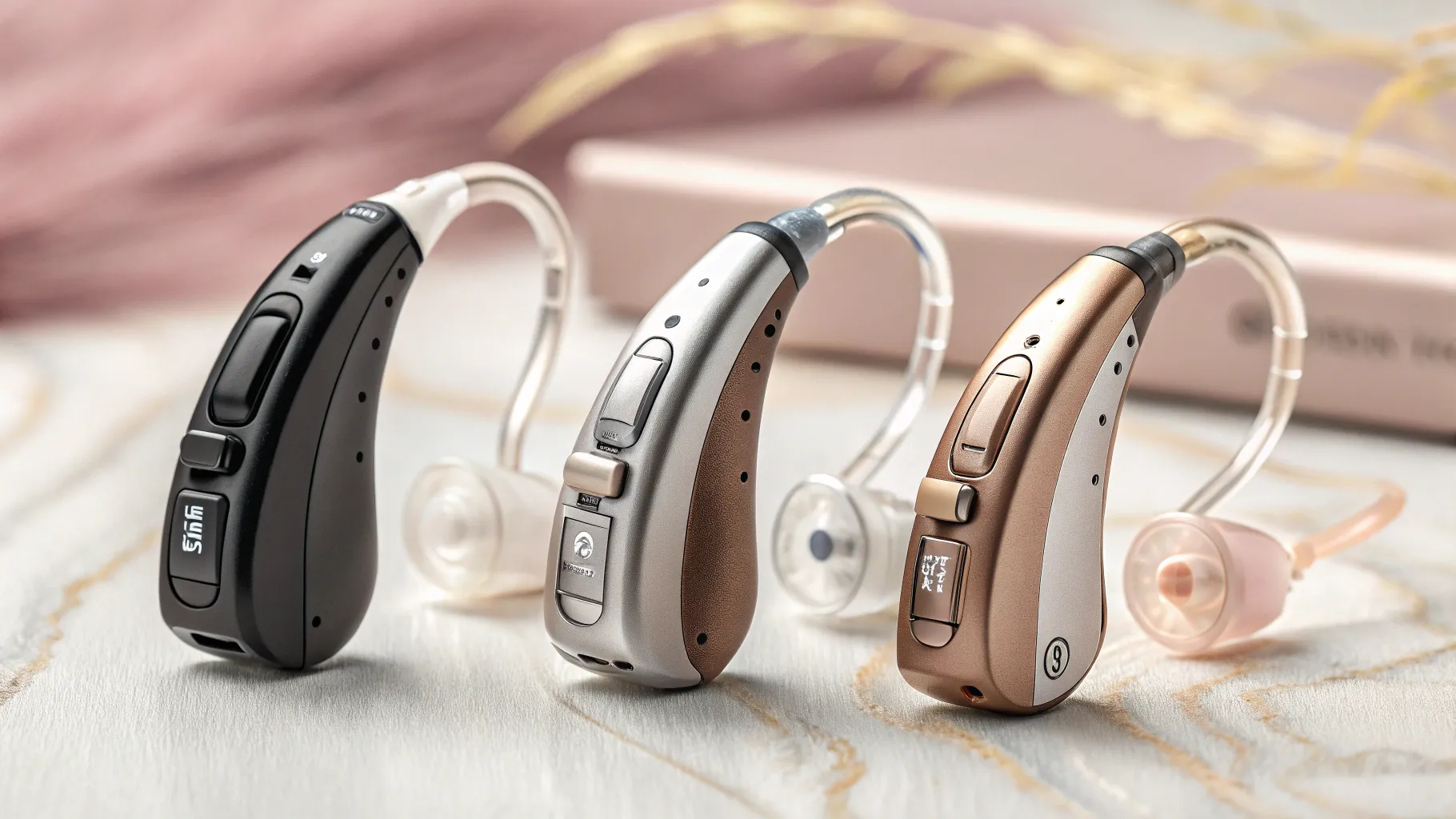
Understanding Different Types of Hearing Aids
Today, the market is flooded with various hearing aids, specifically engineered to cater to individual preferences and levels of hearing loss. Here’s a closer look at the main styles available:
- Behind-the-Ear (BTE): BTE devices rest behind the outer ear with a tube leading into the ear canal. They are versatile and suitable for varying degrees of hearing loss, from mild to profound. BTEs tend to have larger batteries, which can last longer, and they are easier to handle.
- In-the-Ear (ITE): Custom-fitted to the shape of the outer ear, ITEs are less visible than BTE models. They work efficiently for individuals experiencing mild to moderate hearing loss and can house additional features like directional microphones.
- In-the-Canal (ITC): Smaller than ITEs, ITCs fit partially within the ear canal and provide a more discreet option. Ideal for mild to moderate hearing loss, they offer a natural sound quality but may be harder for some seniors to manipulate due to their size.
- Completely-in-Canal (CIC): Nearly invisible once inserted, CIC aids sit entirely within the ear canal. Though they have excellent sound quality, their tiny size makes them less practical for seniors with dexterity issues.
Selecting the appropriate device often requires a consultation with an audiologist, who can evaluate the extent of hearing loss and recommend the most suitable option.
Price Considerations for Hearing Aids
When weighing options for hearing aids, cost is typically a primary concern. The price of hearing aids can be astonishingly variable, largely influenced by the technology they incorporate:
Generally, prices for hearing aids range from $1,000 to $4,000 per device. Factors such as advanced features like Bluetooth capability or noise cancellation can push premium models above this price range. As of recent data, only about 20% of seniors with hearing issues actually use hearing aids, highlighting a significant awareness gap and indicating that a large number of seniors could benefit from assistance.
Hearing Aids and Medicare Coverage
The intersection of healthcare coverage and hearing aids can be tricky to navigate. Currently, traditional Medicare policies do not include coverage for hearing aids or the related fitting examinations. However, it is vital for seniors to remain informed about changing policies, as legislative discussions are underway regarding such gaps in coverage.
Some Medicare Advantage plans do extend additional benefits that may include hearing aid options. Therefore, seniors should contact their providers to explore these potential resources and verify what services are available.
Exploring Free or Discounted Hearing Aids
For seniors facing financial challenges, various options exist to help secure hearing aids at little to no cost. Nonprofits, state programs, and some healthcare facilities provide reduced-price or even free hearing aids to those who meet eligibility requirements.
Programs like the Hearing Aid Project offer no-cost hearing aids for qualifying seniors, illustrating that accessible options are out there, even for those who might struggle financially. It’s always beneficial to inquire about local initiatives that can facilitate hearing aid access, including community health systems that may offer assistance.
Current Trends in Medicare and Hearing Aid Coverage
As of now, traditional Medicare does not cover hearing aids. Still, this situation may evolve. Following recommendations from health authorities and the National Academy of Sciences, there is an increasing push among lawmakers to reconsider hearing health in older adults.
Suggested policies aim to integrate hearing aids into Medicare, reflecting growing awareness of how auditory health is tied to overall well-being. This shift could dramatically improve accessibility for countless seniors who struggle with hearing loss.
For seniors eager to explore options, one feasible route is to look at supplemental insurance plans that might cover hearing aids. Staying informed also means researching discounts available through local hearing clinics, which often provide more affordable options to seniors.
Presently, data shows that an estimated 50 million Americans suffer from some degree of hearing loss, and a significant portion of that demographic are seniors. These needs highlight the importance of ongoing education and the active pursuit of solutions to hearing health challenges.
Maintaining good auditory health plays a pivotal role in enhancing the quality of life during our later years. Seniors are encouraged to advocate for access to hearing aids and leverage the continuous advancements in hearing aid technology. Engaging actively with professionals can lead to better outcomes, ensuring clarity and connection to the sounds surrounding them.
As the landscape of hearing healthcare continues to evolve, awareness and education remain vital. Seniors must feel empowered to take charge of their hearing health, leveraging the available resources and technology to enrich their lives. With increased support, there lies the potential for improved affordability and accessibility for hearing aids, creating a more inclusive environment for those impacted by hearing loss.
Authored by FreshLifeWire team