Everything About Dementia Care Sitter Jobs in 2025
Understanding Dementia Care Sitter Jobs in 2025
As we navigate through 2025, the world continues to witness a significant rise in dementia cases, with approximately 57 million individuals currently living with the condition globally. This increase creates a pressing need for innovative and compassionate care solutions for those affected by dementia. Families frequently face the challenge of finding reliable support systems for their loved ones as the condition progresses, leading to a growing demand for trained dementia care sitters. In this article, we will explore the vital role these caregivers play, the skills they need, and how families can effectively seek out professional assistance.
The Essential Role of a Dementia Care Sitter
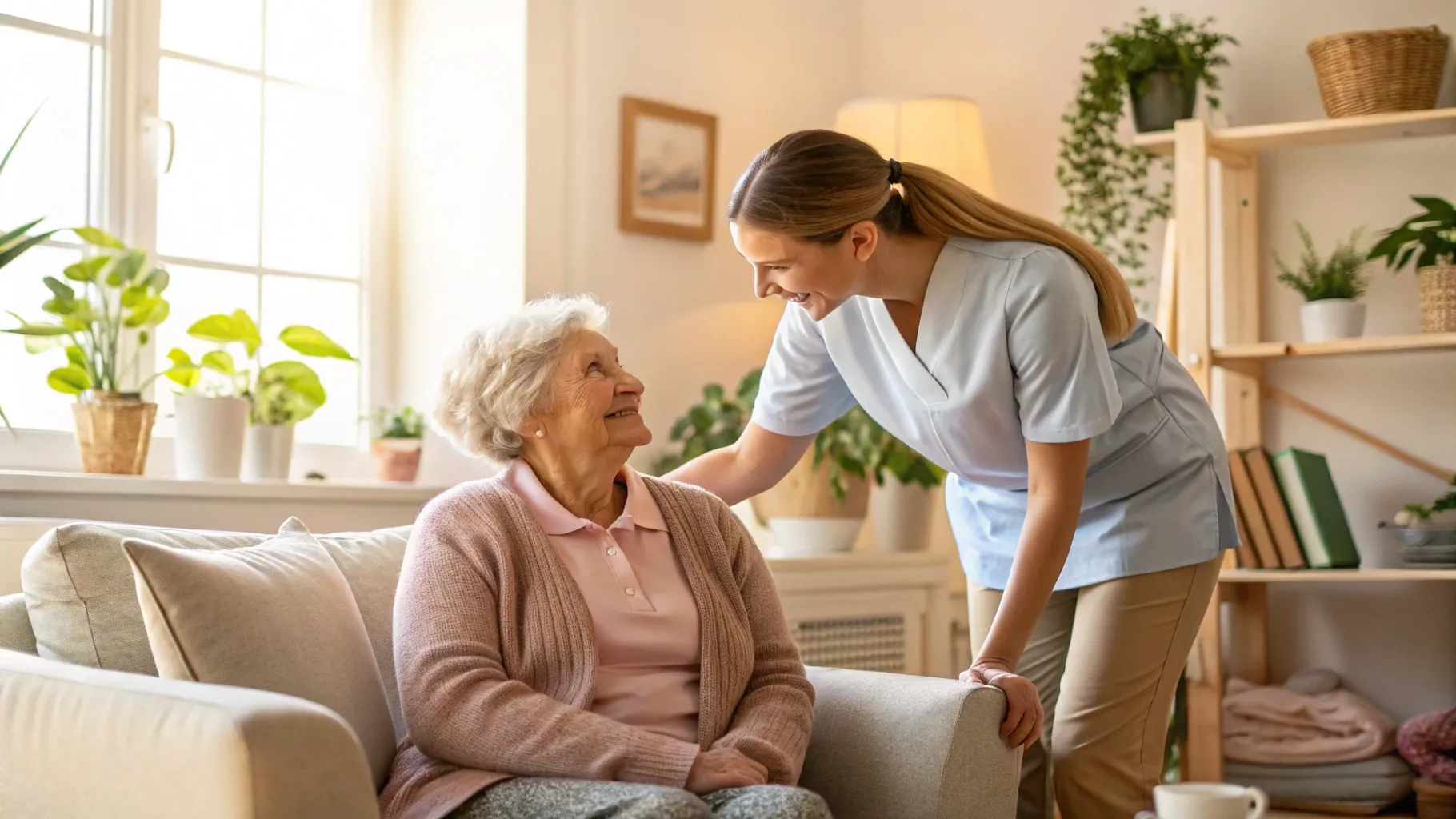
Dementia care sitters are the backbone of home care for those diagnosed with dementia. They provide not only companionship but also crucial assistance that enables individuals to maintain a semblance of normalcy in their daily lives. These dedicated caregivers support individuals through their various stages of dementia, ensuring they feel safe and cared for in their environments.
Moreover, dementia care sitters help alleviate the emotional burden on families. A staggering 75% of caregivers report feeling overwhelmed due to the demands of caring for someone with dementia. This is where care sitters truly shine. They provide families with much-needed respite, allowing them to recharge and attend to their responsibilities outside of caregiving.
What Does a Dementia Care Sitter Do?
The responsibilities of a dementia care sitter can be quite diverse, tailored to meet the unique needs of each individual. Some common tasks include:
- Providing companionship and engaging the individual in activities they enjoy, which is essential for mental stimulation.
- Assisting with personal care activities, such as bathing, grooming, and dressing, while ensuring dignity is maintained.
- Helping with daily meals, medication reminders, and hydration to ensure that individuals are nourishing their bodies properly.
- Monitoring behavioral changes and reporting any significant shifts to family members or healthcare professionals.
- Offering transportation for appointments and social engagements to keep individuals connected to their community.
With the right skills and a compassionate approach, dementia care sitters enable individuals to live healthier and more fulfilling lives. Their role cannot be understated, as they provide not just physical care but also emotional support, enriching the lives of those they serve.
Skills Required for Dementia Care Sitters
To be effective in this role, dementia care sitters must possess a unique set of skills and personal qualities. Here are some essential attributes that make for an excellent dementia care sitter:
- Patience: Dementia can lead to frustration for both the patient and the caregiver. Patience is crucial for maintaining a positive attitude and ensuring quality care.
- Empathy: Understanding the emotional state of individuals with dementia allows sitters to connect on a deeper level, providing comfort to those who often feel isolated.
- Communication Skills: Clear and effective communication can help prevent misunderstandings and conflicts. This includes using calm verbal communication and non-verbal cues.
- Problem-Solving Skills: Caregivers frequently face unexpected challenges that require quick and effective solutions. Being resourceful is vital in this role.
- Physical Endurance: The role can sometimes be physically demanding, as sitters might need to assist with mobility and personal care tasks.
These qualities, combined with comprehensive training in dementia care, enable sitters to provide the highest standard of support. Many organizations offer specialized programs and certifications to equip caregivers with the knowledge necessary to excel in their roles.
Finding the Right Dementia Care Sitter
When searching for a dementia care sitter, families should consider several factors to ensure they find the right match. Start by asking for recommendations from healthcare providers, local community services, and support groups. Furthermore, leveraging online platforms that specialize in caregiver placement can streamline the search process.
When interviewing potential candidates, it’s essential to discuss specific needs, favorite activities, and the level of care required. Questions to consider include:
- What experience do you have with dementia care?
- How do you approach behavioral challenges?
- Can you provide references from previous families you've worked with?
- What hours are you available, and are you flexible with scheduling?
Involving the loved one in the selection process is beneficial as well, as it allows for personal preferences and comfort with the sitter to be addressed. This personalized approach can lead to a harmonious caregiver-client relationship.
Impact on Families and Emotional Well-Being
The presence of a competent dementia care sitter can significantly improve the emotional well-being of both the individual with dementia and their family members. Care sitters offer peace of mind to families, knowing that their loved one is being supported by someone knowledgeable and caring. Studies indicate that having professional caregiving assistance can reduce familial stress by as much as 40%.
Social interaction, often facilitated by caregivers, can help inhibit the progression of dementia symptoms, improving quality of life for those living with the condition. Furthermore, it allows family members to nurture their own emotional health by taking breaks, thereby preventing caregiver burnout.
In 2025, the role of dementia care sitters remains vital. As more families prioritize quality care for their loved ones, understanding how to find the right sitter and recognizing the profound impact they have on overall well-being will continue to evolve. With compassion and proper training, dementia care sitters are indeed the unsung champions in the fight against isolation and helplessness in this growing population of older adults.
Authored by FreshLifeWire team