Read more about Crohns Disease
What is Crohn’s Disease and How is it Treated
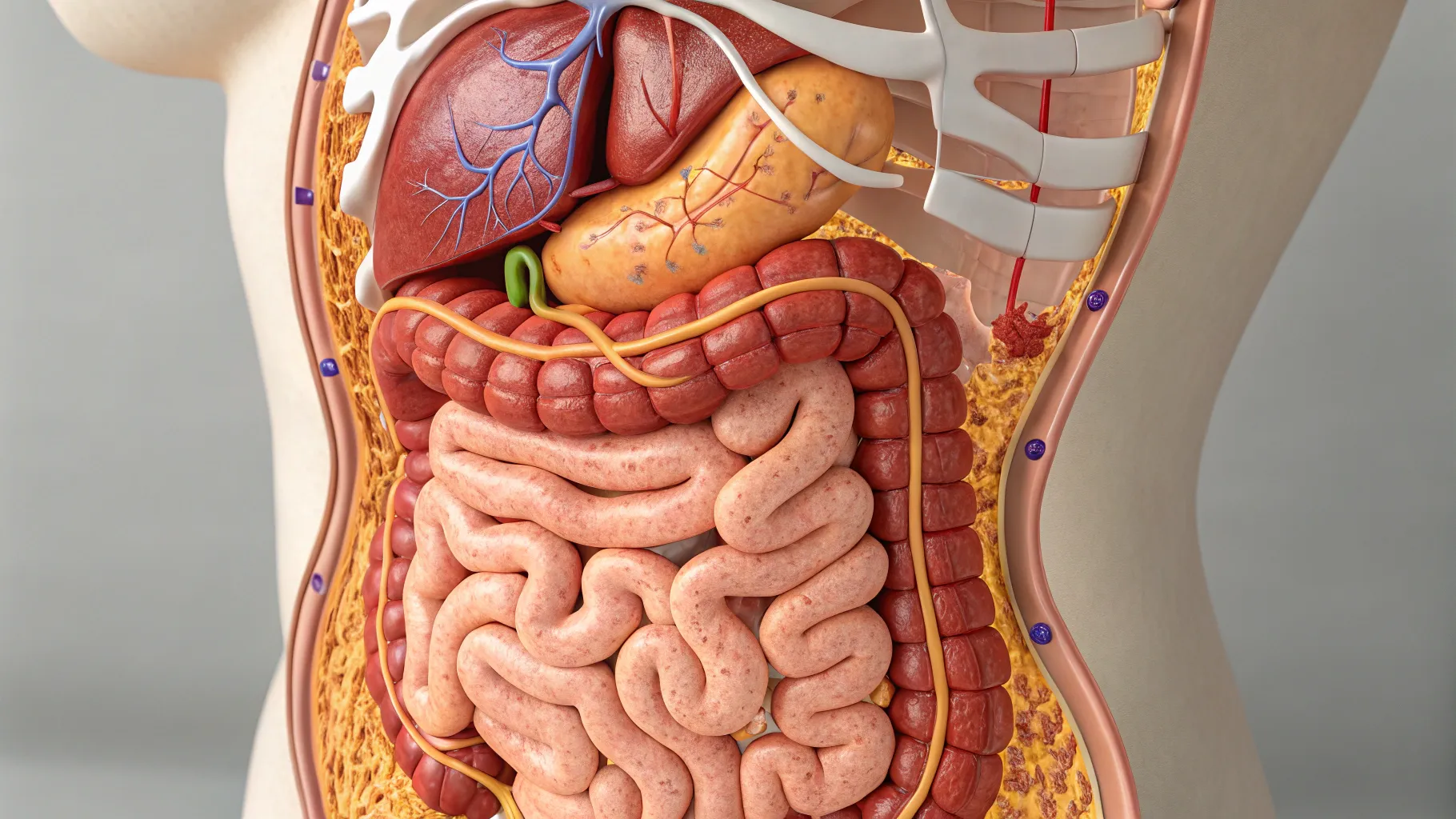
Crohn’s disease is a type of inflammatory bowel disease (IBD) that causes chronic inflammation of the gastrointestinal (GI) tract. It can affect any part of the GI system from the mouth to the anus, but most commonly it impacts the small intestine and the beginning of the large intestine. The symptoms can vary, making the disease highly unpredictable and often difficult to manage. While there is currently no cure for Crohn’s disease, effective treatments aim to reduce inflammation, alleviate symptoms, and maintain remission. In recent years, advanced therapies have emerged that significantly improve the quality of life for many patients. Medications such as anti-TNF agents, corticosteroids, and immunomodulators can help manage the disease. For severe cases, biologics have become increasingly important. They are designed to target specific pathways in the inflammatory process, offering a more tailored approach to treatment.
How is Crohn’s Disease Diagnosed
Diagnosing Crohn’s disease involves several steps, as symptoms can mimic those of other digestive disorders. Healthcare providers often begin with a thorough medical history review and physical examination. Standard diagnostic procedures include:
- Blood tests: These tests help identify anemia or signs of inflammation.
- Stool tests: These can detect blood in the stool or the presence of infections.
- Endoscopy: This procedure uses a flexible tube to visualize the inner lining of the intestine. Colonoscopy, specifically, is common for examining the large intestine.
- Imaging studies: MRI or CT scans provide detailed images of the bowel and can help assess the extent of the disease.
In 2025, advancements in diagnostic technology are allowing for earlier diagnosis, leading to improved management and treatment outcomes for individuals with Crohn’s disease.
Symptoms and Early Signs of Crohn’s Disease
The symptoms of Crohn’s disease can range from mild to severe and may come and go unpredictably. Common symptoms experienced by patients include:
- Abdominal pain and cramping
- Diarrhea, which may be persistent and sometimes bloody
- Fatigue
- Weight loss
- Reduced appetite
- Fever
Early signs often include abdominal discomfort along with changes in bowel habits. Recognizing these symptoms and seeking medical advice promptly is crucial in managing the disease effectively.
Can Crohn’s Disease be Cured or Prevented
As of now, Crohn's disease cannot be cured; however, it can be managed effectively. Research continues into potential cures that involve gene therapy and microbiome manipulation, but these are still in experimental stages. Prevention is challenging since the exact cause of Crohn's disease isn’t fully understood. Environmental factors, genetics, and immune system dysfunction are believed to play roles in the development of the disease.
To reduce the risk of flare-ups, patients are encouraged to:
- Eat a balanced diet rich in nutrients while avoiding known food triggers
- Manage stress through mindfulness or therapy
- Avoid smoking, which is known to exacerbate the condition
Treatment Options for Crohn’s Disease Patients
Treatment for Crohn's disease is individualized and can vary depending on severity and location of the disease. Current treatment options include:
- Medications: These may include anti-inflammatory drugs, corticosteroids, immunosuppressants, and biologics.
- Nutritional support: Nutritional supplements or specialized diets can help maintain health during flare-ups.
- Surgery: In some cases where medications fail, surgery may be necessary. This can include the removal of diseased sections of the bowel.
As new treatments and clinical trials emerge, patients are encouraged to discuss options with their healthcare team to determine the best approach for their specific needs.
When is Surgery Needed for Crohn’s Disease
Surgery for Crohn’s disease may be required when:
- Patients experience severe complications such as bowel obstructions or fistulas
- Medications fail to control symptoms
- There is an accumulation of abscesses that need to be drained
Most patients undergo surgery at some point in their disease course, not as a cure but as a measure to alleviate persistent symptoms or complications.
How to Manage Crohn’s Disease Long Term
Managing Crohn's disease long term involves regular check-ups with a gastroenterologist, monitoring symptoms, and adhering to treatment regimens. Patients benefit from:
- Keeping a symptom diary to track flare-ups and triggers
- Maintaining open communication with healthcare providers about any new symptoms
- Participating in support groups to share experiences and coping strategies
In a world where Crohn’s disease affects millions, ongoing research and patient awareness of symptoms, treatments, and management strategies are key to living a fulfilling life despite the challenges posed by this condition.
What Causes Crohn’s Disease Flare-ups
Flare-ups can be triggered by various factors, including:
- Dietary choices, particularly high-fiber foods or dairy products
- Stress and anxiety, which can exacerbate symptoms
- Changes in medication or not adhering to prescribed treatments
By understanding these triggers, patients can work with their healthcare team to develop personalized strategies to minimize the impact of potential flare-ups, moving towards a more manageable life with Crohn’s disease.
Finally, it's essential to differentiate between Crohn’s disease and other digestive disorders such as ulcerative colitis or irritable bowel syndrome (IBS). While they share similarities, Crohn’s can involve deeper layers of the GI tract and may cause complications that are less common in other conditions.
Authored by FreshLifeWire team