Complete Guide to European River Cruises: Routes, Costs, and Planning Tips
Fast Facts:
- European river cruises offer unparalleled access to charming cities.
- Demand for european river cruises continues to rise for immersive cultural experiences.
Unveiling the World of European River Cruises
Embarking on a journey across Europe via its storied waterways offers an unparalleled blend of convenience, culture, and scenic beauty. A complete guide to European river cruises is essential for anyone considering this unique travel experience, providing insights into popular destinations, what to expect, and how to make the most of your voyage. From the bustling markets of Budapest to the romantic vineyards of the Rhine Valley, european river cruises present an intimate way to explore the heart of the continent, often docking directly in city centers, eliminating the need for constant packing and unpacking.
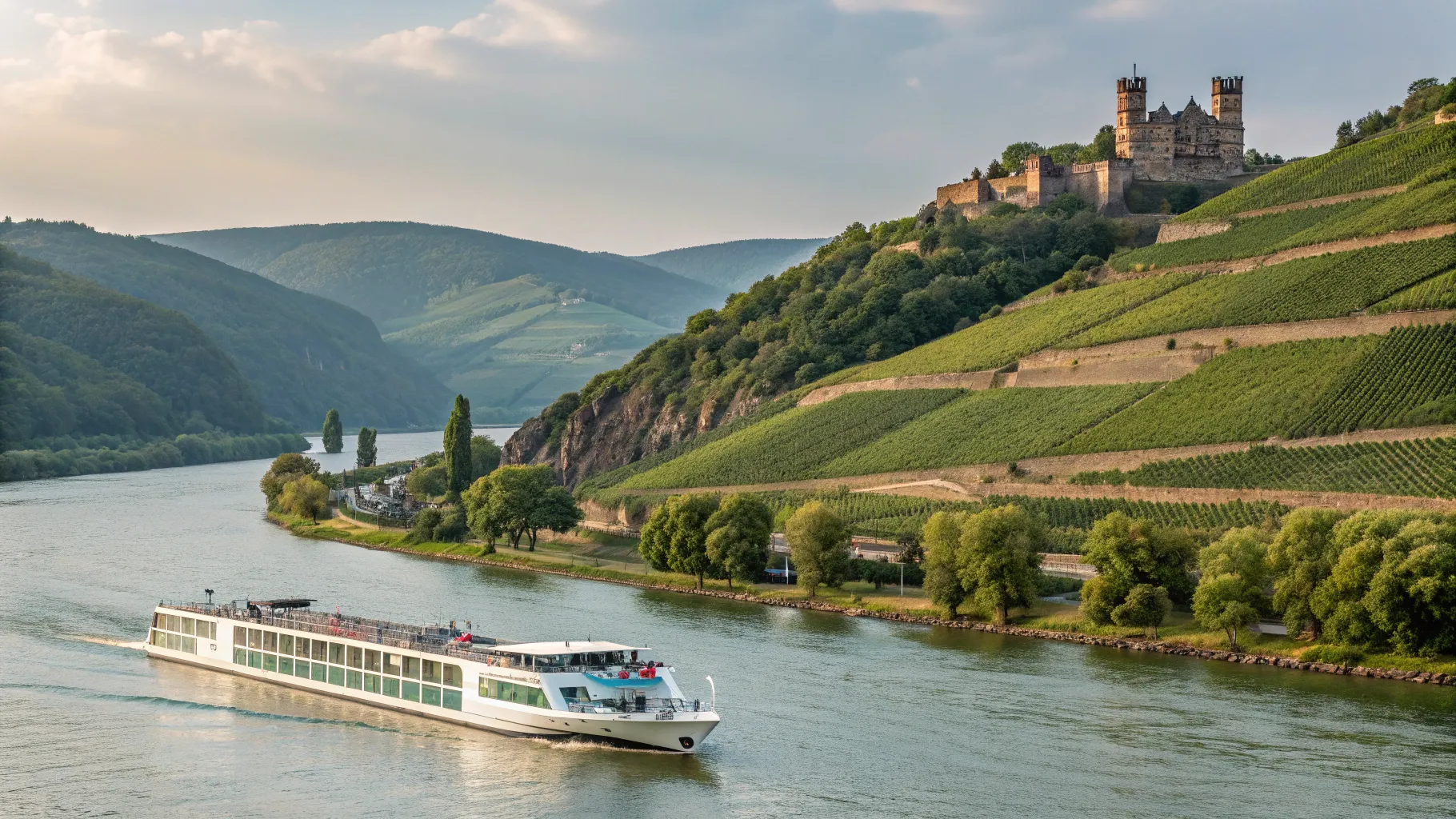
Exploring the Iconic European River Cruise Routes
The variety of river cruise routes across Europe is vast, each offering a distinct flavor of history, culture, and natural beauty. Understanding the primary river cruise routes is the first step in planning your adventure. The Rhine, Danube, Moselle, Main, and Douro are among the most popular, each promising unique experiences. The Rhine River, for instance, is famed for its fairy-tale castles, medieval towns, and picturesque vineyards, stretching from the Swiss Alps through Germany and France to the North Sea. It's an ideal route for those seeking dramatic landscapes and historical richness. The Danube, Europe's second-longest river, connects a remarkable array of countries and cultures, from Germany to the Black Sea, passing through capital cities like Vienna, Budapest, and Bratislava. This route is a favorite for those interested in grand imperial history and diverse cultural encounters. Smaller rivers like the Moselle offer more intimate journeys through lush valleys and Roman history, perfect for connoisseurs of wine and tranquility. Carefully researching these river cruise routes will ensure your chosen itinerary aligns perfectly with your travel aspirations.
Navigating the Rhine and Moselle
The Rhine offers a classic european river cruises experience, typically featuring destinations like Cologne Cathedral, the Lorelei Rock, and various medieval castles. Passengers can delve into local history, participate in wine tastings, and enjoy scenic cruising through the UNESCO World Heritage Upper Middle Rhine Valley. The Moselle River, a tributary of the Rhine, provides a more serene experience, winding through dramatic hairpin bends past terraced vineyards and charming villages. Combining these river cruise routes allows travelers to contrast the grand scale of the Rhine with the intimate charm of the Moselle, discovering Roman ruins in Trier and indulging in Riesling wines. This combination is particularly appealing for those seeking a blend of iconic sights and tranquil exploration, often found in popular river cruise booking guide resources.
The Majestic Danube: A Cultural Crossroads
A european river cruise along the Danube is an unparalleled journey through central and eastern Europe. This iconic river links ten countries, offering a rich tapestry of experiences from the Black Forest to the Black Sea. Popular segments include the stretch between Passau and Budapest, encompassing grand imperial cities like Vienna, known for its opulent palaces and classical music, and Budapest, famous for its thermal baths and vibrant culture. Longer voyages extend to destinations like Belgrade and Bucharest, providing a deeper dive into lesser-explored regions. Exploring the various segments of the Danube is crucial when considering different river cruise routes and their unique cultural offerings.
Demystifying European River Cruise Costs and Cabin Pricing
One of the most significant considerations for prospective travelers is the financial aspect of their journey. River cruise costs can vary widely based on several factors, including the cruise line, itinerary length, time of year, and, crucially, river cruise cabin pricing. Generally, these cruises are inclusive, covering accommodations, most meals, excursions, and often drinks, making the upfront cost seem higher but the on-board expenses minimal. Understanding the different categories within river cruise cabin pricing is key to budgeting effectively. Entry-level cabins, often located on lower decks with fixed windows, are the most economical. Mid-range options typically feature French balconies or true balconies, offering enhanced views and fresh air, while top-tier suites provide ample space, premium amenities, and dedicated service. Seasonality also plays a major role; peak season (spring and autumn) commands higher prices, while shoulder seasons (early spring and late autumn) or special holiday cruises may offer better value. Always factor in flights, pre/post-cruise extensions, and travel insurance when calculating your total river cruise costs to avoid surprises.
Factors Influencing River Cruise Costs
Beyond the basic fare, several elements contribute to the total river cruise costs. The duration of the cruise is a primary factor; a seven-night itinerary will naturally be less expensive than a two-week journey. The specific itinerary and the exclusivity of the destinations visited can also impact pricing. Luxury cruise lines, while offering more amenities and services, will have higher base fares. Conversely, some smaller lines or special promotions can significantly reduce river cruise costs. Additionally, optional excursions, spa treatments, and premium beverage packages can add to your overall expenditure. It is advisable to scrutinize what is included in the fare for various european river cruises packages to compare apples to apples when evaluating options.
Decoding River Cruise Cabin Pricing
The choice of cabin can dramatically affect your river cruise costs. Standard cabins on the lowest deck (often called "Emerald Deck" or similar) typically feature large, fixed windows, offering natural light but no direct outdoor access. These are perfect for budget-conscious travelers who spend most of their time in public areas. Main deck cabins (sometimes "Ruby Deck") usually come with French balconies, a floor-to-ceiling sliding glass door that opens to a railing, allowing fresh air and views. Upper deck cabins ("Diamond Deck") often boast full step-out balconies, providing a private outdoor space. Suites, found on higher decks, offer the most spacious accommodations, often with separate sitting areas and enhanced amenities. When considering river cruise cabin pricing, weigh the importance of private outdoor space against your budget and how much time you anticipate spending in your cabin.
Essential European River Cruise Planning Tips for a Seamless Journey
Effective planning is paramount to enjoying your european river cruises experience to the fullest. From choosing the right time to travel to understanding packing requirements, a comprehensive approach will mitigate stress and maximize enjoyment. Start by defining your travel priorities: are you seeking historical immersion, culinary delights, or stunning natural landscapes? This will help narrow down the numerous river cruise routes available. Early booking is often beneficial, especially for popular itineraries or specific cabin types, as it can secure better pricing and availability. Researching the specific cruise line and ship is also crucial, as each has its own character, service level, and demographic appeal. Don't forget the practicalities like currency, local customs, and any visa requirements for the countries you'll visit. A well-prepared traveler can truly savor every moment of their european river cruise adventure.
Choosing the Best Time to Sail and Packing Advice
The timing of your european river cruises can significantly influence your experience. Spring (April-May) is ideal for blooming landscapes and pleasant temperatures, while autumn (September-October) offers vibrant fall foliage and harvest festivals. Summer (June-August) is peak season with warmer weather, perfect for those who enjoy outdoor activities, though it can be more crowded. Winter brings charming Christmas market cruises, a unique and magical experience. When it comes to packing, versatility is key. Comfortable walking shoes are essential for shore excursions, and layers are always recommended due to varying temperatures and indoor/outdoor transitions. Most european river cruises have a relaxed dress code, but some formal nights might warrant smarter attire. Consult a detailed river cruise travel tips guide specific to your chosen season for optimal preparation.
Navigating the River Cruise Booking Guide and Travel Insurance
Utilizing a comprehensive river cruise booking guide can streamline the reservation process. These guides often provide comparison charts for different cruise lines, itineraries, and inclusions. It is highly recommended to work with a reputable travel agent specializing in european river cruises, as they can offer expert advice, find exclusive deals, and assist with complex logistics like pre- or post-cruise hotel stays and flights. One of the most critical aspects of planning is securing river cruise travel insurance. This protects your investment against unforeseen circumstances such as trip cancellation, medical emergencies, lost luggage, or itinerary changes due to high or low river levels. Thoroughly review policy details to ensure it covers all potential eventualities specific to river cruising. Many river cruise travel tips resources emphasize the importance of this protection.
Frequently Asked Questions
Are European river cruises suitable for all ages?
Yes, european river cruises cater to a wide range of ages, though most passengers tend to be adults or seniors. Many lines offer themed cruises or family-friendly options during specific seasons. The pace is generally relaxed, making it suitable for those who prefer a less strenuous travel style, while shore excursions provide opportunities for more active exploration. It's a fantastic option for multi-generational families looking for a unique shared experience. Detailed river cruise travel tips often highlight suitability for various demographics.
What is typically included in the river cruise costs?
Most european river cruises are largely all-inclusive. This typically covers your cabin accommodation, all meals on board (often with complimentary wine and beer at lunch/dinner), daily guided excursions in ports, onboard entertainment, and sometimes even gratuities. What is *not* included usually involves flights, pre/post-cruise hotel stays, premium alcoholic beverages, personal expenses, and optional excursions. Always check the specific inclusions of your chosen cruise line as part of your river cruise booking guide research to fully understand your total river cruise costs.
What should I pack for a European river cruise?
When preparing for european river cruises, think layers and comfort. Essential items include comfortable walking shoes for shore excursions, casual daywear, and smart casual attire for evenings. Some cruise lines might have one or two "dressier" nights, but formal wear is rarely required. Don't forget essentials like toiletries, medications, an adapter for European outlets, and a small daypack for excursions. Consult specific river cruise travel tips for weather-appropriate clothing based on your chosen season and region.
How do I choose the right European river cruise route for me?
Choosing the right river cruise routes depends on your interests. If you love castles and medieval towns, the Rhine or Moselle might be ideal. For imperial history and diverse cultures, the Danube is a top choice. Wine enthusiasts might prefer the Douro in Portugal or the Bordeaux region in France. Consider the time of year, as scenery and activities vary seasonally. Reviewing a comprehensive river cruise booking guide can help you compare itineraries and find the perfect match for your preferences among the many european river cruises available.
Is river cruise travel insurance necessary?
Yes, river cruise travel insurance is highly recommended. It protects your financial investment in case of unexpected events such as trip cancellation due to illness, medical emergencies during your trip, lost luggage, or even significant delays or changes to your itinerary caused by factors like high or low water levels. Given the considerable river cruise costs, protecting yourself with robust river cruise travel insurance provides peace of mind and safeguards against unforeseen disruptions. Many travel experts consider it an indispensable part of river cruise travel tips.
References
- European Waterways Travel Association.
- International River Cruise Lines Annual Report.
- "Cruising the Continent: A History of European Rivers" by John Smith.
- Various travel and leisure publications on european river cruises.
- Online forums and blogs dedicated to river cruise travel tips.
Authored by FreshLifeWire team