Essential Vitamins for Eye Health Over 50 for Seniors
Essential Vitamins for Eye Health Over 50
As we age, maintaining our vision becomes increasingly important. Those over 50 are at a higher risk of developing vision problems, including age-related macular degeneration (AMD), cataracts, and diabetic retinopathy. Proper nutrition, particularly the consumption of specific vitamins, plays a critical role in preserving eye health. In this article, we will explore the essential vitamins for eye health over 50, how they work, their potential side effects, and tips for seniors on incorporating them into their diets.
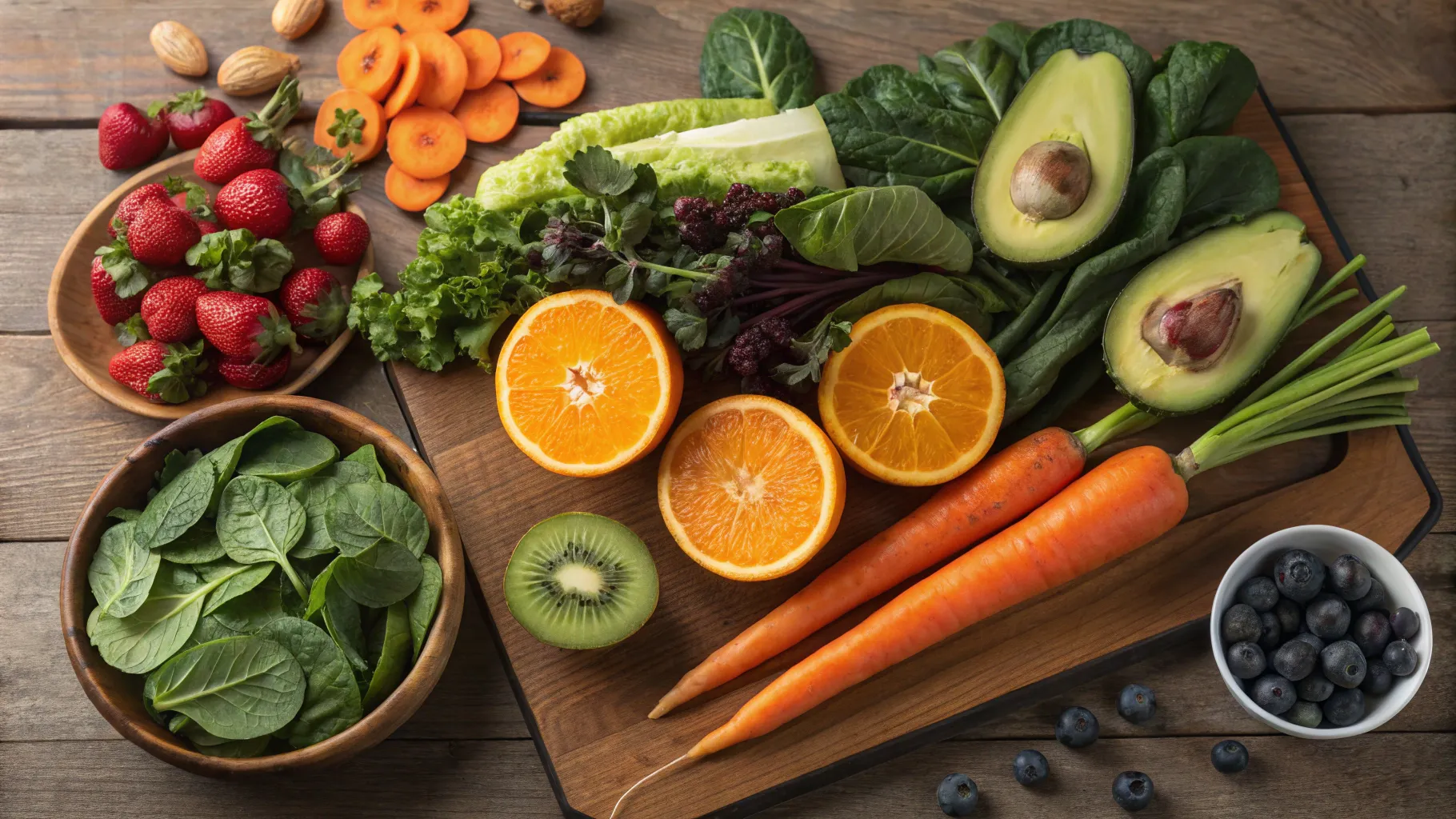
Key Vitamins and Their Functions
- Vitamin A: Essential for maintaining good vision, Vitamin A is crucial for the health of the retina and helps prevent night blindness. It is found in leafy greens, carrots, spinach, and sweet potatoes.
- Vitamin C: This powerful antioxidant protects the eyes against oxidative stress. Studies show that adequate Vitamin C intake can reduce the risk of cataracts. Citrus fruits, strawberries, and bell peppers are excellent sources.
- Vitamin E: Another potent antioxidant, Vitamin E, safeguards the eye cells from damage caused by free radicals. Nuts, seeds, and green leafy vegetables are rich in Vitamin E.
- Omega-3 Fatty Acids: While not a vitamin, omega-3s play a substantial role in eye health by supporting the structure of cell membranes. They help combat dry eye syndrome and are abundant in fatty fish like salmon and mackerel.
- Lutein and Zeaxanthin: These carotenoids filter harmful blue light and are linked to a lower risk of developing AMD. They can be found in kale, corn, and eggs.
How Vitamins Benefit Eye Health
Understanding what these vitamins do in the body can help you appreciate their role in eye health. For instance, Vitamin A is converted in the body to retinal, a pigment essential for color vision and night vision. Furthermore, recent studies highlight that diets rich in Vitamin C and E reduce the risk of cataract formation. Notably, the American Optometric Association emphasizes that antioxidants like Vitamin C, E, lutein, and zeaxanthin protect the eyes from light-induced damage as well as aging.
Current research from the past six months (2025) shows that maintaining adequate levels of these nutrients not only supports eye health but also has broader implications for overall wellness. For instance, a study published in the Journal of Nutrition reported that older adults who consumed higher amounts of omega-3 fatty acids showed a significantly lower incidence of dry eye syndrome compared to their peers.
Potential Side Effects of Vitamin Supplementation
While vitamins can significantly enhance eye health, it is crucial to approach supplementation cautiously, especially for seniors. Overdosing on certain vitamins can lead to adverse effects. For example, excessive Vitamin A intake can cause toxicity, leading to symptoms like headaches, dizziness, and even blurred vision. Furthermore, high doses of Vitamin E may interfere with blood clotting, posing risks for individuals on anticoagulants.
It is essential for seniors to consult their healthcare provider before starting any new vitamin regimen. A balanced diet is typically sufficient for obtaining necessary nutrients without the risk of overdose.
Incorporating Vitamins Into Your Diet
Getting the right vitamins doesn't have to be complicated. Here are some practical ways seniors can ensure they're meeting their nutritional needs for eye health:
- Diverse Diet: Aim for a colorful plate. The more variety in your meals, the higher the likelihood you'll get a full spectrum of essential vitamins and minerals. Include a mix of fruits, vegetables, whole grains, and healthy fats.
- Regular Eye Check-Ups: While diet plays a significant role, regular visits to an eye care professional are essential. They can provide personalized advice and recommend specific supplements if necessary.
- Stay Hydrated: Good hydration is crucial for eye health. Drink plenty of water and consider including hydrating foods like cucumbers and watermelon, which not only provide hydration but also essential nutrients.
- Cooking Methods: How you prepare your food can affect nutritional content. Steaming vegetables retains more vitamins than boiling. Also, try sautéing leafy greens in olive oil for better absorption of fat-soluble vitamins.
Additionally, consider introducing eye-friendly snacks into your daily routine. Nuts and seeds make for great on-the-go options that are rich in Vitamin E and omega-3 fatty acids. Whole grain crackers topped with avocado (which contains lutein and other beneficial fats) can make for a nutritious addition to your diet.
In recent surveys conducted in 2025, over 75% of seniors reported they find it easier to incorporate these vitamins by choosing whole foods over supplements. This holistic approach not only targets eye health but also enhances overall health, making it a win-win.
In summary, prioritizing vitamins for eye health over 50 is essential for preserving vision and overall quality of life. By understanding what these vitamins do, the potential side effects of excessive consumption, and how to incorporate them into your diet effectively, seniors can support their eye health and enjoy clearer vision for years to come.
Authored by FreshLifeWire team