Essential Vitamins for Eye Health and Clear Vision Tips
Which Vitamins Are Best for Eyesight
In 2025, maintaining optimal eye health has become a priority for many people as we increasingly rely on screens for work and entertainment. Understanding which vitamins play a crucial role in eye health is essential in our quest for clearer vision. Research highlights that certain vitamins and minerals are key players in protecting our eyes from damage and promoting overall visual acuity.
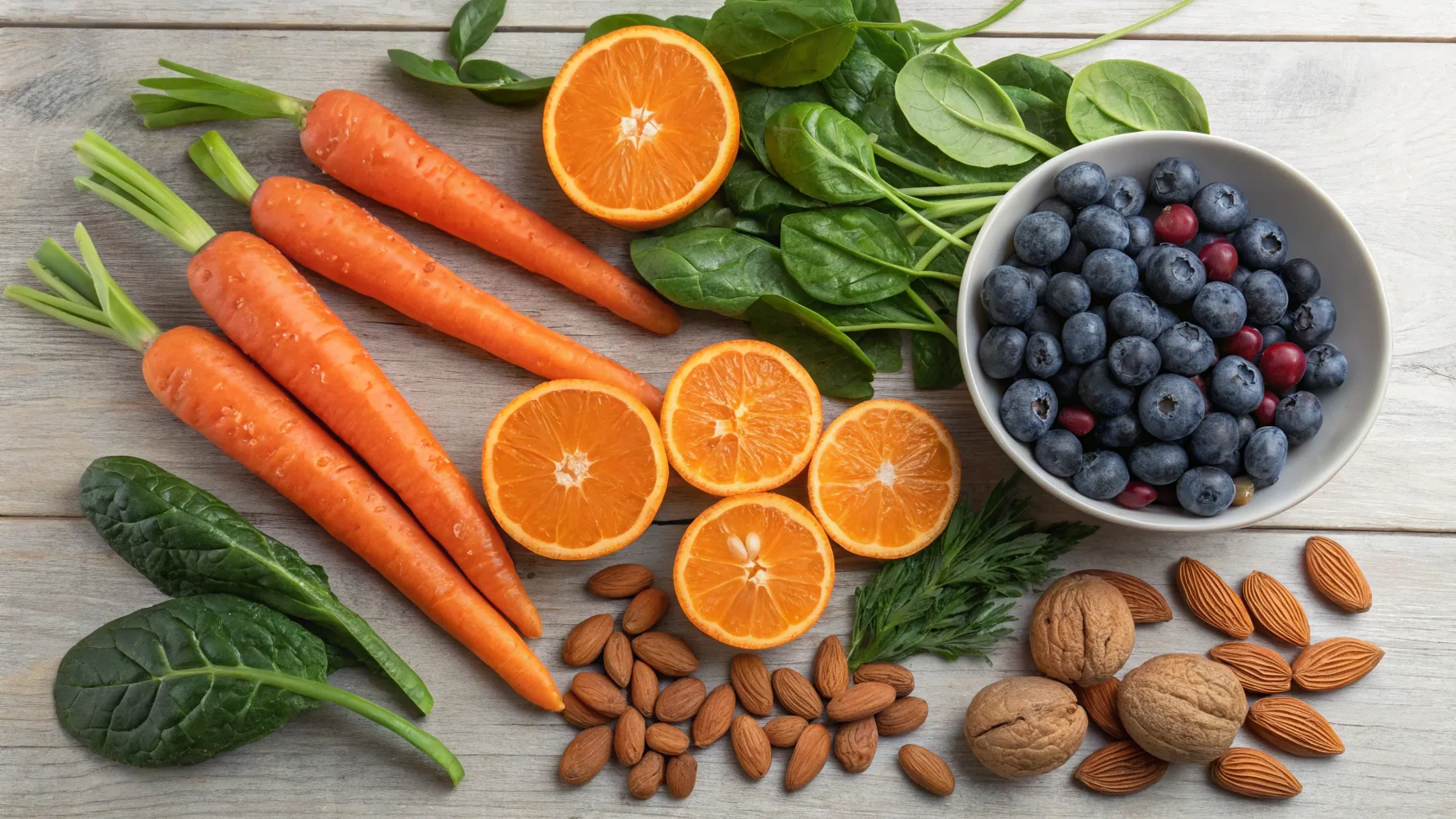
Vitamin A: The Eye Health Hero
One of the most well-known vitamins for vision is Vitamin A. This powerhouse nutrient is critical for maintaining a healthy retina, the light-sensitive layer of tissue at the back of the eye. Vitamin A helps in the production of rhodopsin, a pigment necessary for low-light and color vision. In fact, a recent study published in 2024 found that individuals with higher Vitamin A intake had a significantly lower risk of developing night blindness.
Furthermore, Vitamin A defi ciency can lead to serious visual impairments, including xerophthalmia, a condition where the eyes become dry and can lead to blindness if left untreated. Eating foods rich in Vitamin A, such as carrots, spinach, sweet potatoes, and liver, can help enhance your eyesight.
Omega-3 Fatty Acids: Not a Vitamin, But Essential
While we often focus on vitamins, the role of nutrients like Omega-3 fatty acids shouldn’t be overlooked. Found in fish such as salmon and sardines, Omega-3s are known for their anti-inflammatory properties and have been shown to reduce the risk of age-related macular degeneration (AMD). According to a 2025 survey, people who consume adequate Omega-3 fatty acids are 40% less likely to develop AMD compared to those with lower intake levels.
These fatty acids help maintain the health of retinal cells, ensuring proper visual function. If fish isn’t a regular part of your diet, consider incorporating flaxseeds or walnuts, which are excellent plant-based sources of Omega-3s.
Which Vitamins Prevent Blurry Vision
Blurry vision is often a sign of various underlying issues, but certain vitamins can help mitigate this problem. Vitamin C, another important nutrient, is essential in maintaining the health of blood vessels in the eyes and protecting against cataracts. Research indicates that individuals who consume more Vitamin C-rich foods like oranges, strawberries, and broccoli are less likely to experience blurry vision associated with cataracts.
Vitamin E: A Protective Antioxidant
Vitamin E acts as an antioxidant that protects the eyes from oxidative damage caused by free radicals. This damage can lead to various eye conditions, including blurry vision. A report from the Department of Ophthalmology noted that a combination of Vitamin C and Vitamin E supplementation can reduce the risk of AMD by 25%. Nuts, seeds, and green leafy vegetables are fantastic sources of Vitamin E and should be included in a balanced diet.
B Vitamins: The Unsung Heroes
The B vitamin group, particularly B6, B12, and folate, supports healthy eye function and can help prevent vision problems. A study conducted in early 2025 revealed that older adults who maintained high levels of B vitamins in their diets had a 30% lower risk of developing vision impairment compared to those with lower intake levels. Foods rich in (B6, B12, and folate) include whole grains, legumes, eggs, and leafy greens.
- Vitamin B6: Helps reduce inflammation associated with vision loss.
- Vitamin B12: Supports optic nerve health.
- Folate: May reduce the risk of cataracts.
Signs of Vitamin Deficiency for Eyes
It's crucial to recognize signs of vitamin deficiency, as they can directly impact eye health. Symptoms may include:
- Dry eyes or irritation
- Difficulty in night vision
- Frequent blurry vision
- Increased sensitivity to light
If you experience any of these symptoms, consider consulting with a healthcare provider and reassessing your nutritional intake.
How to Improve Vision Naturally with Vitamins
Improving vision naturally through dietary choices is achievable. Here are some straightforward strategies to enhance your eye health:
- Balanced Diet: Incorporate a variety of colorful fruits and vegetables into your meals. The more colors on your plate, the more vitamins and antioxidants you’re likely getting.
- Limit Processed Foods: Foods high in sugars and unhealthy fats can lead to inflammation and eye strain.
- Stay Hydrated: Drinking enough water is crucial for keeping your eyes moist and reducing dry eye symptoms.
- Routine Check-ups: Regular visits to an eye specialist can help track your eye health and catch potential issues early.
In essence, what we eat significantly affects our vision and overall well-being. By prioritizing a diet rich in essential vitamins and minerals, we can enhance our eye health and quality of life.
The Role of Minerals in Eye Health
In addition to vitamins, minerals also play a significant role in supporting eye health. Key minerals such as zinc, lutein, and selenium are vital. Zinc helps create melanin, a protective pigment in the eyes. Foods rich in zinc, like oysters, beef, and seeds, are beneficial for maintaining clear eyesight.
Lutein and zeaxanthin, often referred to as the "eye vitamins," are types of carotenoids found in foods like kale, spinach, and eggs. They filter harmful blue light and are associated with a decreased risk of AMD and cataracts. Additionally, selenium acts as an antioxidant, working synergistically with Vitamin E to protect eye health.
In conclusion, the importance of incorporating these vitamins and minerals into your daily diet cannot be overstated. With our increasing screen time and exposure to environmental stressors, taking proactive steps to protect our vision through natural food sources is more important than ever. Whether it is through a colorful salad, a hearty fish dish, or a refreshing smoothie, embracing a nutritious diet can keep our eyes healthy and vibrant for years to come.
Authored by FreshLifeWire team