Essential Undercarriage Rust Protection for Your Vehicle
Understanding Undercarriage Rust Protection
Your vehicle isn’t just a mode of transport; it’s an essential part of your life that reflects your style and values. Unfortunately, lurking beneath your car, truck, or SUV is a formidable enemy: rust. This isn’t merely a cosmetic issue; it can profoundly affect your vehicle’s performance and lifespan. That’s why undercarriage rust protection is crucial. By grasping how rust forms and taking proactive measures, you not only extend your vehicle’s longevity but also protect yourself against hefty repair bills.
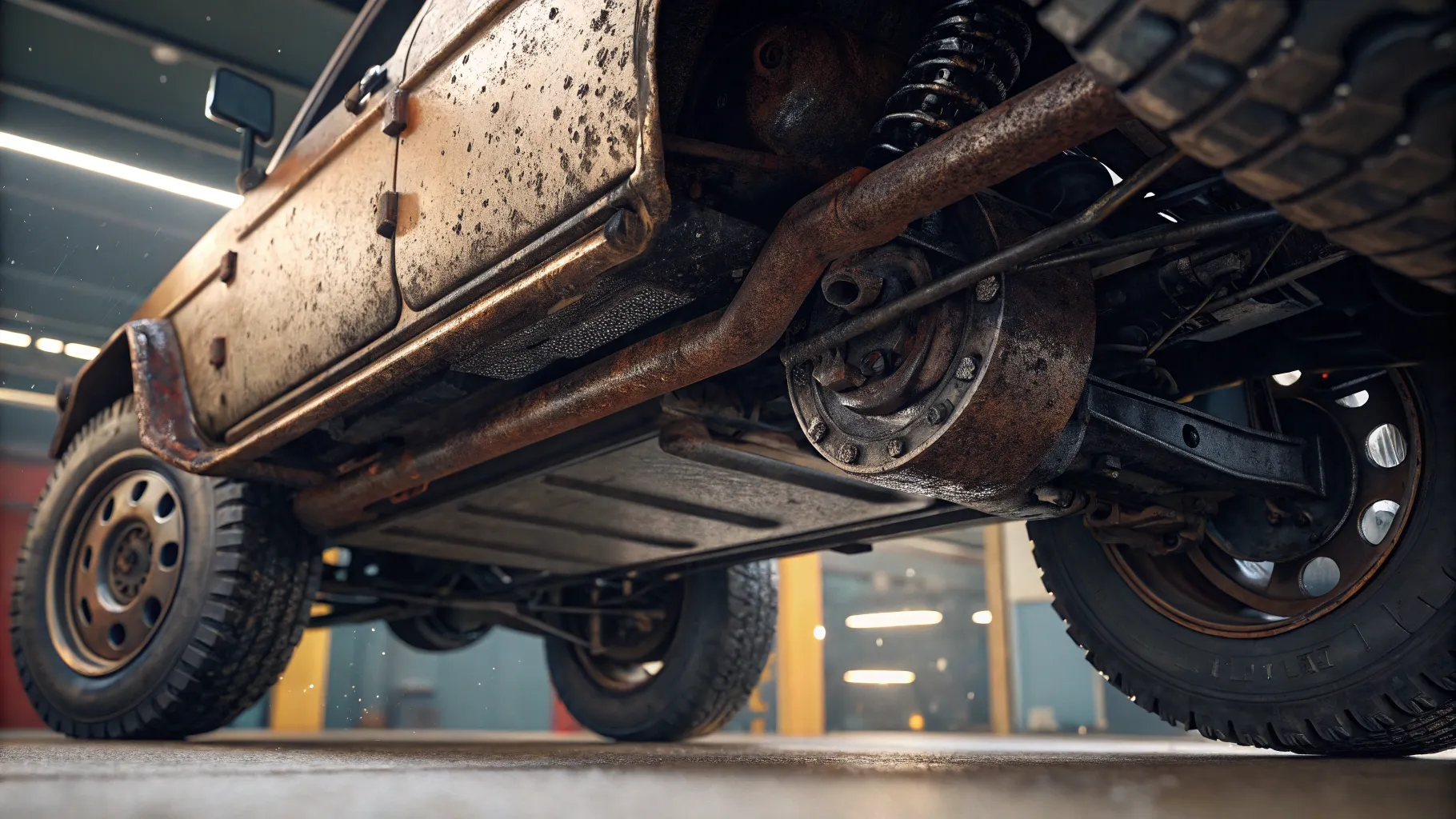
Why You Need Undercarriage Rust Protection
The undercarriage is consistently exposed to harsh elements, including moisture from rain and snow, and especially road salt during the winter months. In fact, a staggering 60% of vehicles experience varying degrees of undercarriage rust over their operational lifespan. The consequences of rust extend beyond aesthetic concerns:
- Compromised Structural Integrity: Rust can significantly weaken essential components like the vehicle frame and suspension, threatening your safety on the road.
- Decreased Resale Value: Vehicles with visible rust are much less appealing to potential buyers, often leading to a significant drop in resale value.
- Increased Repair Costs: Tackling rust-related damage can be exorbitantly expensive; addressing the problem early can lead to savings of thousands of dollars in repairs.
- Safety Hazards: A rusted vehicle structure can result in dangerous situations, including brake failures and compromised steering mechanisms, endangering both you and other road users.
A recent survey showed that nearly half of vehicle repair expenses are attributable to rust damage stemming from insufficient maintenance. This stark statistic emphasizes the pressing need for effective rust prevention strategies.
Types of Undercarriage Rust Protection
Understanding your options for rust protection is vital for effective prevention. Here are some of the most popular and effective methods available today:
- Rustproofing Spray: This method involves applying a specialized spray that forms a moisture-resistant barrier to protect the undercarriage. Experts generally recommend reapplying this spray annually, especially in regions with heavy snow.
- Undercoating: This method can be applied during manufacture or by professionals post-purchase. It not only protects against rust but also reduces road noise, enhancing your driving experience.
- Oil-Based Treatments: These treatments effectively penetrate metal surfaces, creating a durable seal against moisture, which drastically reduces the risk of rust formation.
A study from a dealership in Michigan revealed that vehicles treated with oil-based rust protection saw a remarkable 75% reduction in rust-related service issues within five years. Such statistics highlight just how effective preventative treatments can be.
Choosing the Right Protection
With various rust protection options available, deciding on the best one for your vehicle can be challenging. Consider these critical factors when making your decision:
- Climate: If you live in an area prone to heavy rainfall and road salt during the winter, stronger protection methods like undercoating or oil treatments will be more beneficial.
- Your Vehicle’s Usage: Vehicles that experience heavy use or driving in adverse conditions may require more frequent treatments to maintain the utmost protection against rust.
- Professional vs. DIY: While a professional application typically delivers superior results, there are effective DIY solutions available. Consider your budget and comfort level with applying rust treatments yourself.
Proactive care for your vehicle is always the best approach. Regular rust protection can save both time and money in the long run, ensuring that your vehicle remains in top condition throughout its life.
Considerations for Long-Term Vehicle Health
To keep your vehicle free from rust, consistent maintenance of the undercarriage is crucial. Here are some healthy habits to adopt:
- Regular Inspections: Conduct periodic checks of your vehicle's undercarriage, particularly after harsh weather or driving on salted roads, to identify rust early.
- Wash the Undercarriage: Thoroughly rinsing the undercarriage after winter removes accumulated salt, debris, and moisture that are critical factors in rust development.
- Address Minor Repairs: Don’t hesitate to repair scratches or chips in your protective undercarriage coating; addressing these issues immediately can prevent rust from taking hold.
A compelling case study involving a delivery fleet in Canada demonstrated that implementing a regular rust protection plan resulted in a notable 30% reduction in repair costs within just one year. This serves as a potent reminder of the substantial benefits that preventative measures can offer.
Final Thoughts on Undercarriage Rust Protection
This year, the significance of undercarriage rust protection is more apparent than ever. Don’t wait for rust to emerge as a visible problem; take proactive steps now. Investing in rust protection not only safeguards against costly repairs but also preserves your vehicle’s structural integrity. Furthermore, it enhances your vehicle's resale value, allowing for returns on your initial investment over time. When you prioritize regular care, you'll find that the benefits well outweigh any initial costs, ensuring that your vehicle remains reliable and worthy of the road for years to come.
Authored by FreshLifeWire team