Essential Tips for Buying Women's Winter Clothing
TIPS FOR BUYING A WOMEN'S WINTER CLOTHING
As the chilly winds of winter sweep in, so does the need for warm, comfortable, and stylish winter clothing for women. Navigating the options available can be overwhelming, but with a few tips in mind, you can make informed choices. Let’s explore how to choose the right winter clothing for women based on climate, understand layering techniques, recognize fabric types, and learn ways to maintain these garments.
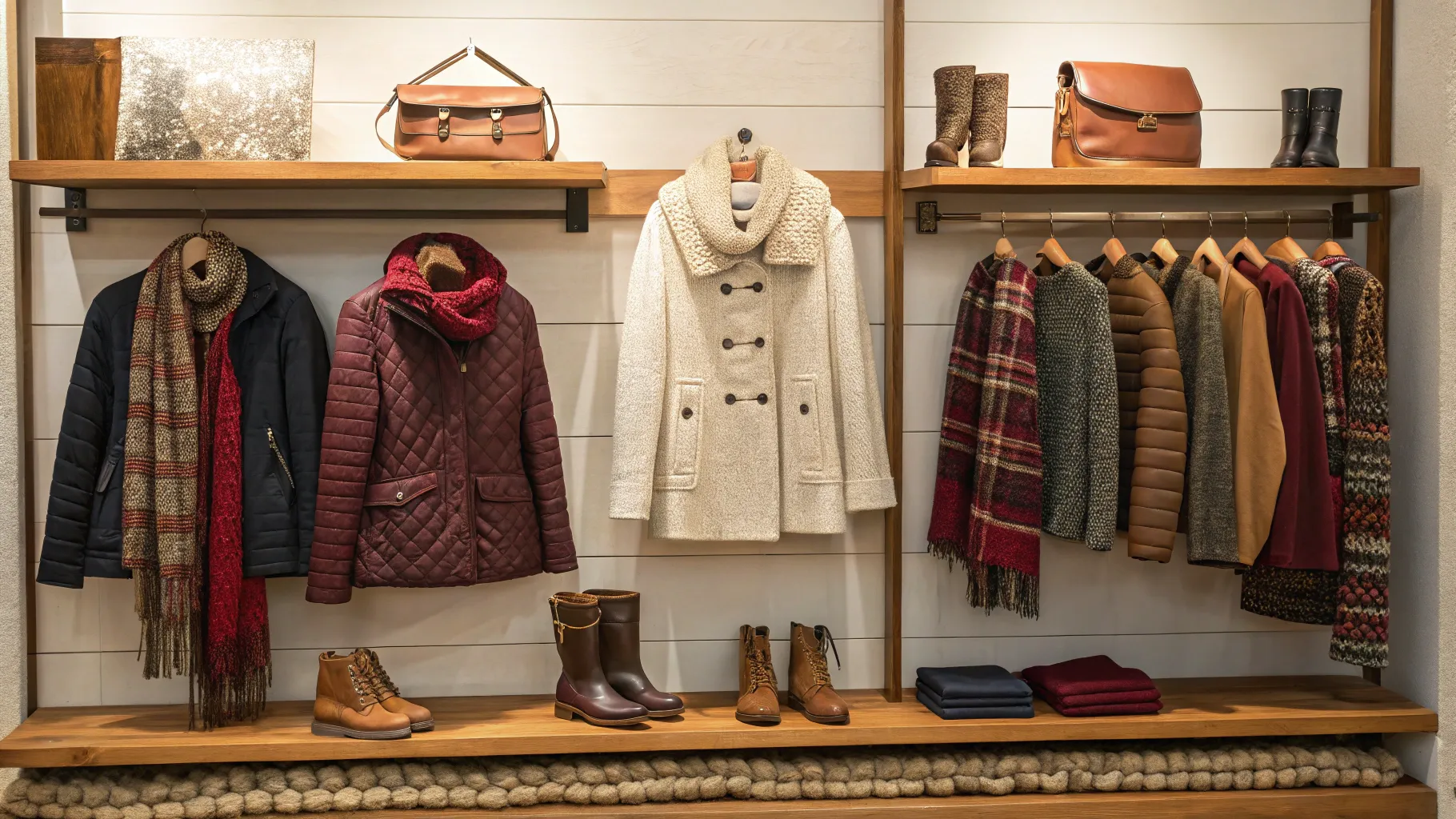
Choosing the Right Winter Clothing Based on Climate
The first step in selecting suitable winter clothing is understanding the climate in which you live. For example, if you’re in a location that experiences harsh winters with temperatures dropping well below freezing, you’ll need heavier materials. Conversely, milder winters might allow for lighter layers. Here are some key points to consider:
- Temperature Range: Know the average winter temperatures in your area. For regions with extreme cold, look for jackets with thermal insulation.
- Rain and Snow: If your area gets a lot of precipitation, prioritize waterproof and windproof materials to keep you dry.
- Daily Activities: Consider what you’ll be doing. Is it commuting, outdoor sports, or social outings? This will influence your clothing choices.
Understanding Layering Techniques for Women’s Winter Outfits
Layering is essential in winter clothing. It not only keeps you warm but also allows for flexibility in adjusting to changing temperatures. Here’s how to effectively layer:
- Base Layer: Start with a moisture-wicking fabric that will keep sweat away from your skin. Look for thermal tops and leggings.
- Mid Layer: This layer provides insulation. Fleece or wool sweaters work well, adding warmth without bulk.
- Outer Layer: Choose a durable, waterproof, and breathable outer layer such as a parka or a winter coat, which protects against wind and snow.
Combining different fabrics in your layers can greatly enhance comfort and warmth. Make sure to choose breathable materials for the base layer, insulating fabrics for the mid layer, and protective textiles for the outer layer.
How Fabric Types Affect Warmth and Comfort in Women’s Winter Wear
Choosing the right fabric is crucial for the effectiveness of your winter clothing. Here’s a breakdown of some common fabric types:
- Wool: Renowned for its insulation, wool is also moisture-wicking, keeping you warm even when damp.
- Down: Down insulation is lightweight and offers excellent warmth, making it a popular choice for coats and jackets. However, ensure it is water-resistant or consider water-repellent down options.
- Fleece: Ideal for mid layers, fleece provides warmth without the weight and is soft against the skin.
- Synthetic Fabrics: Often used in base layers and insulated jackets, synthetic fabrics are durable and quick-drying, though they may not provide as much warmth as natural fibers.
When shopping, look for garments that specify type of insulation or weave, as these details can indicate warmth and comfort levels.
Tips for Maintaining and Storing Women’s Winter Clothes Properly
To ensure that your winter clothing lasts for many seasons, proper maintenance and storage are essential. Here are some tips:
- Cleaning: Always follow the care label instructions. Usually, gentle cycles and cold water are recommended for washing. Avoid harsh detergents that can affect fabric integrity.
- Drying: Line drying is preferable for winter wear; heat can damage insulation. If using a dryer, opt for low heat settings.
- Storage: Before storing summer away, make sure everything is clean and dry. Use breathable garment bags for outerwear to prevent mildew, and consider adding cedar chips to deter insects.
The Importance of Waterproof and Windproof Materials in Women’s Winter Clothing
In winter, unpredictable weather is a norm. This is why waterproof and windproof materials are so vital. They help keep you dry and shield against biting winds. Look for features like:
- Sealed seams: Prevent water from seeping through stitching.
- Breathable liners: Allow moisture from sweat to escape, reducing the chance of feeling clammy.
- DWR Coating: Durable Water Repellent treatments help fabrics shed water.
Investing in quality materials can make a significant difference in your winter comfort and versatility. It not only enhances performance but also boosts confidence in your overall look.
How to Balance Fashion and Functionality in Women’s Winter Outfits
Fashion and functionality can coexist beautifully in women’s winter wear. With intentionally chosen pieces, you can effortlessly transition from warm and cozy to chic and stylish. Here are some tips to ensure you look great without sacrificing comfort:
- Choose Versatile Colors: Neutral colors can be paired easily with different accessories, allowing for various looks without needing an entirely new outfit.
- Accessorize Smartly: Scarves, hats, and gloves can elevate an outfit. Opt for trendy designs that also provide warmth.
- Layer with Style: Use layering not just for warmth but also for visual interest. Pair a long cardigan with a fitted turtleneck for a polished look.
In 2025, many brands are focusing on the intersection of style and utility, producing collections that emphasize both warmth and modern aesthetics. Keep an eye out for innovative designs that offer the best of both worlds.
By following these comprehensive tips for buying women’s winter clothing, you can expertly navigate your wardrobe choices. Not only will you be prepared for any winter adventure, but you'll also feel great in your stylish selections, equipped for comfort and warmth all season long.
Authored by FreshLifeWire team