Essential Tips for Buying Used Cars with Confidence
Tips for Buying Used Cars
When it comes to purchasing a vehicle, many individuals are turning towards used cars as a more budget-friendly option. In fact, according to recent surveys, over 70% of car buyers in 2025 consider used vehicles for their next purchase. While this can be a smart financial decision, buying a used car comes with its own set of challenges. Here are essential tips for buying used cars that will help you navigate the process more easily.
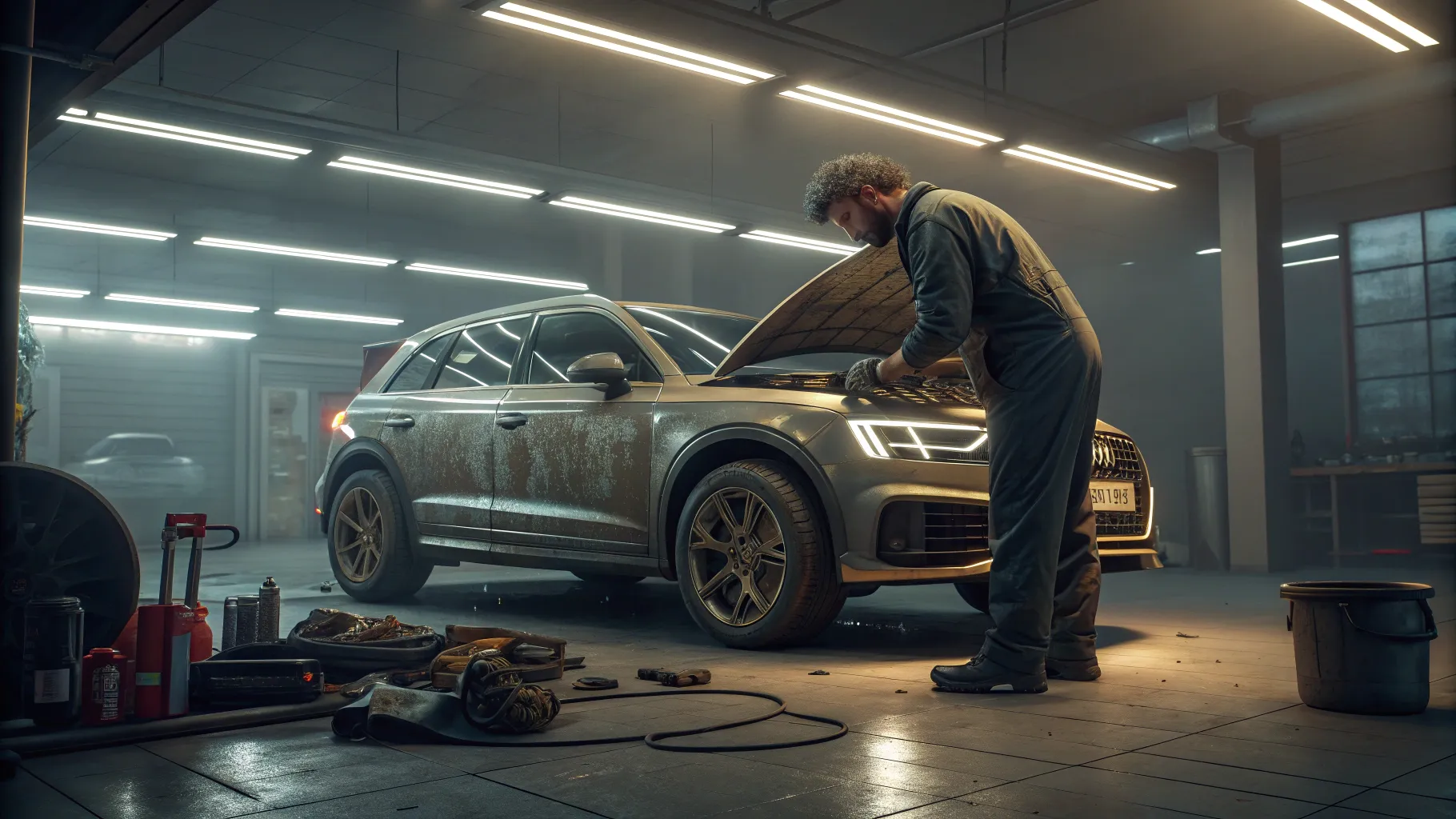
Understanding Used Car History
Before making a purchase, it’s vital to check the car's history. A vehicle history report can unveil essential insights regarding accidents, title issues, and odometer discrepancies. Services like Carfax or AutoCheck provide detailed reports that include:
- Accident History: Look for any significant accidents reported. Even minor fender-benders can affect a car's value and integrity.
- Service Records: A well-maintained vehicle is worth considering. Consistent servicing can indicate good care from previous owners.
- Title Status: Ensure the title is clean and clear of any liens, as this can complicate the transaction.
Did you know? Approximately 36% of used cars sold in the last year had previous accident reports. Selling cars with such histories often results in a lower resale value, so understanding the vehicle's background can save you considerable trouble down the road.
Used Car Inspection Checklist
Performing a comprehensive inspection is one of the most crucial tips for buying used cars. Here’s a detailed checklist to guide you:
- Exterior Condition: Check for signs of rust, dents, and paint mismatches which can indicate prior accidents.
- Interior Condition: Examine wear on seats, dials, and buttons. Excessive wear can hint at a car that has seen heavy use.
- Fluid Levels: Ensure that oil, brake fluid, and coolant are at proper levels and appear clean.
- Tires: Inspect tread depth and uneven wear on tires, which can signal issues with alignment or suspension.
- Engine and Transmission: Check for leaks and listen for any unusual noises during startup.
An average inspection can take about 30 to 60 minutes. Consider bringing along a trusted mechanic for a professional opinion, especially if you feel uncertain about assessing the car's condition yourself.
Signs of Wear in Used Cars
Having an eye for signs of wear can help you dodge a bad deal. Here are telltale indicators:
- Unusual Noises: Listen for knocking or squeaking sounds, especially from the engine and suspension.
- Smoke: If you see smoke from the exhaust, it could indicate serious engine issues.
- Dashboard Lights: Pay attention to warning lights on the dashboard when you turn on the ignition; they should all turn off after a few seconds.
With 40% of buyers experiencing issues within the first 90 days after purchasing a used car, your ability to identify these signs can be crucial in making the right choice. Trust your instincts; if something feels off, it’s usually best to walk away.
Used Car Test Drive Advice
A test drive is one of the most important parts of choosing a used car. It allows you to experience the car’s performance firsthand. Here are some tips to keep in mind during a test drive:
- Assess Driving Comfort: Check how the car feels to you in various driving conditions. Take it on highways, residential streets, and if possible, uneven terrains.
- Check Visibility: Ensure that you have a clear line of sight from the driver’s seat and that all mirrors are functional.
- Listen for Sounds: Tune into any strange noises and sound systems – they can often tell you about underlying issues.
Statistically, nearly half of all used car buyers feel that their test drive influenced their final decision significantly. Make sure to spend adequate time test driving at varying speeds and under different conditions.
Used Car Paperwork Essentials
Once you’ve found the right used car, it’s crucial to gather all the required documentation. Missing paperwork can lead to headaches. Here’s what you need to look for:
- Title Certificate: The seller should have the original title document verifying their ownership.
- Bill of Sale: Create a bill of sale that includes the vehicle identification number (VIN), sale price, and date of sale.
- Warranty Information: If the car is still under a warranty, request documentation that outlines coverage details.
- Emissions Test: In many jurisdictions, vehicles require a recent emissions test to be roadworthy.
- Insurance Policies: Make sure to get insurance quotes before you finalize the paperwork.
Being prepared with all necessary documentation will ensure a smooth sale and help you avoid potential legal hurdles later.
In summary, buying a used car can be a great investment when done carefully. From understanding how to check a car’s history to knowing what to look for during a test drive, being informed is your best strategy. With these tips, you’ll be equipped to make a wise decision and drive away in a vehicle that fits your needs and your budget.
Authored by FreshLifeWire team