Essential Tips for Buying a Pool Table Made Easy
Before You Buy a Pool Table Here's What You Need to Know
Investing in a pool table can transform your game room, elevating your home entertainment and providing a hub for friends and family to gather. However, before you make this significant purchase, there are several important factors you need to consider to ensure you get the best value for your money.
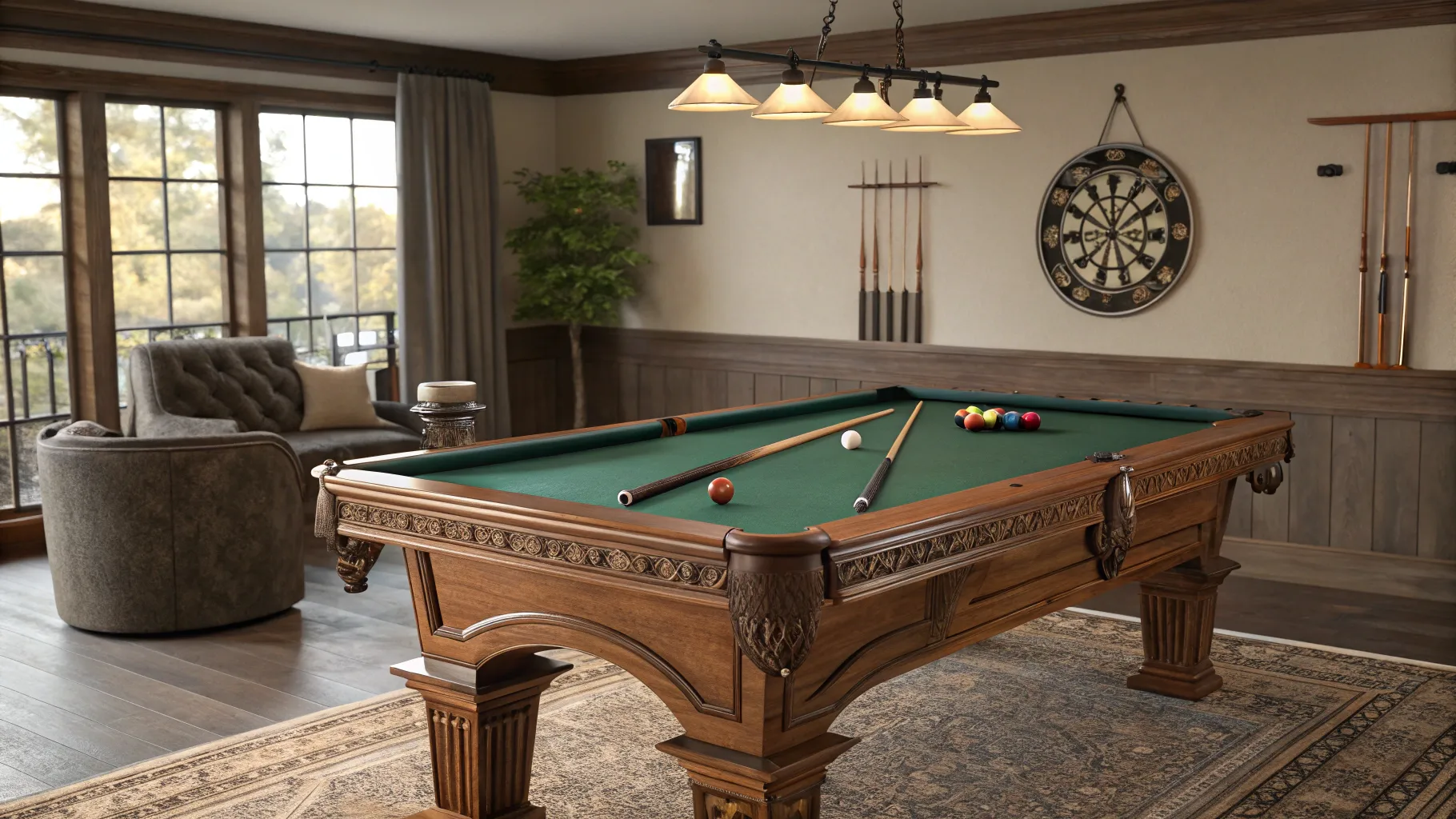
Understand the Types of Pool Tables
Pool tables come in various sizes and styles, each designed for different types of gameplay. The most common types include:
- American Pool Tables: These are the most widely used in the United States, typically 7 to 9 feet long with wider pockets, accommodating games like eight-ball and nine-ball.
- British Pool Tables: Smaller than their American counterparts, these tables are primarily used for English pool, and they feature narrower pockets.
- Snooker Tables: Larger than both American and British tables, snooker tables measure 12 feet long and have the smallest pockets, suitable for snooker games.
When choosing a table, consider not only the game you prefer but also the space available in your home. Ensure you have enough clearance around the table to allow for ample movement while playing.
Size Matters
Before you buy a pool table, measure the area where you plan to place it. The recommended space around the table should be at least five feet on all sides for cueing comfortably. A common mistake is to fall in love with a table only to realize it overwhelms the room, making gameplay impossible.
For example, if you live in a compact apartment, a 7-foot table might be the most practical choice, whereas a spacious game room could accommodate a 9-foot table beautifully.
Quality Over Price
With prices ranging significantly based on brand, size, and materials used, it's essential to prioritize quality. A high-quality table constructed from solid hardwood with a slate playing surface will last much longer than an inexpensive one made from MDF or plywood. The latter might suffice for casual play, but serious players will appreciate the performance of better materials.
For instance, in the past six months, the demand for high-quality tables with slate surfaces has surged by over 25% as enthusiasts recognize the superior gameplay experience they provide.
Buying Options
Financing can play a crucial role in your purchase decision. Many retailers now offer "buy now, pay later" options, allowing you to spread the cost over several months.
- No Deposit Required: Some stores feature promotions that don't require an initial deposit, making it easier for you to take the leap without immediate financial strain.
- Monthly Payment Plans: Look for deals that allow you to manage your budget effectively through monthly payment installments, making premium tables more accessible.
For example, a popular retailer recently introduced a 12-month installment plan with zero interest fees on select pool tables, making their high-end models more attainable for average consumers.
Assessing Additional Costs
When budgeting for your new pool table, don't forget to account for other necessary expenses. Accessories such as cues, balls, and a quality cover are often overlooked but essential to your playing experience. You might also need to think about maintenance costs, which can include regular cloth replacement, cleaning supplies, and professional leveling of the table as needed.
According to recent market research, average accessory costs can range from $100 to $500, depending on the brands and items you choose. This adds an additional layer of expense that should be considered before making your final decision.
Where to Buy
Choosing the right retail outlet can significantly affect your shopping experience. Consider local dealers, which may offer personalized service and the opportunity to test tables before purchasing. Online retailers may have broader selections and potentially better prices, but be sure they have a solid return policy and warranty options.
In the last six months, many users have turned to online shopping, resulting in a 40% increase in e-commerce sales for pool tables. Retailers are competing by providing detailed videos showcasing their products, assisting customers in making informed choices from home.
Play Before You Pay
If possible, take the opportunity to play on various tables to see which one feels right for your game style. This hands-on approach can make a significant difference in your purchasing confidence. If you play at local pool halls, take note of the tables they use and how they perform.
By mingling with enthusiasts and asking for recommendations, you might discover brands or stores you hadn’t considered, enhancing your chances of finding the perfect table at the right price.
Consider Future Upgrades
Pool playing is an evolving hobby, and as your skills grow, you may want to upgrade your purchase over time. It can be worthwhile to invest in a table that allows for future customization and upgrades, such as interchangeable cloths or different pocket styles.
For instance, some brands now offer modular pool tables that can be expanded or adapted according to your style of gameplay. This foresight helps you avoid another big purchase as your skills develop.
In summary, buying a pool table is a significant investment that can provide years of enjoyment. Remember to consider size, quality, and financing options before making your purchase, ensuring it meets both your current needs and future aspirations. With the right approach, your new table will not only fit beautifully in your space but also enhance your recreational activities for years to come.
Authored by FreshLifeWire team