Essential Tips for Buying the Perfect Robot Vacuum Guide
Everything You Need to Know About Robot Vacuum
As we move through 2025, robot vacuums have become an essential component of modern households. Their ability to clean efficiently and autonomously has transformed how we think about home maintenance. However, with numerous options available, choosing the right robot vacuum can be overwhelming. Here’s a comprehensive guide on what to consider when buying a robot vacuum to ensure you find the perfect match for your cleaning needs.
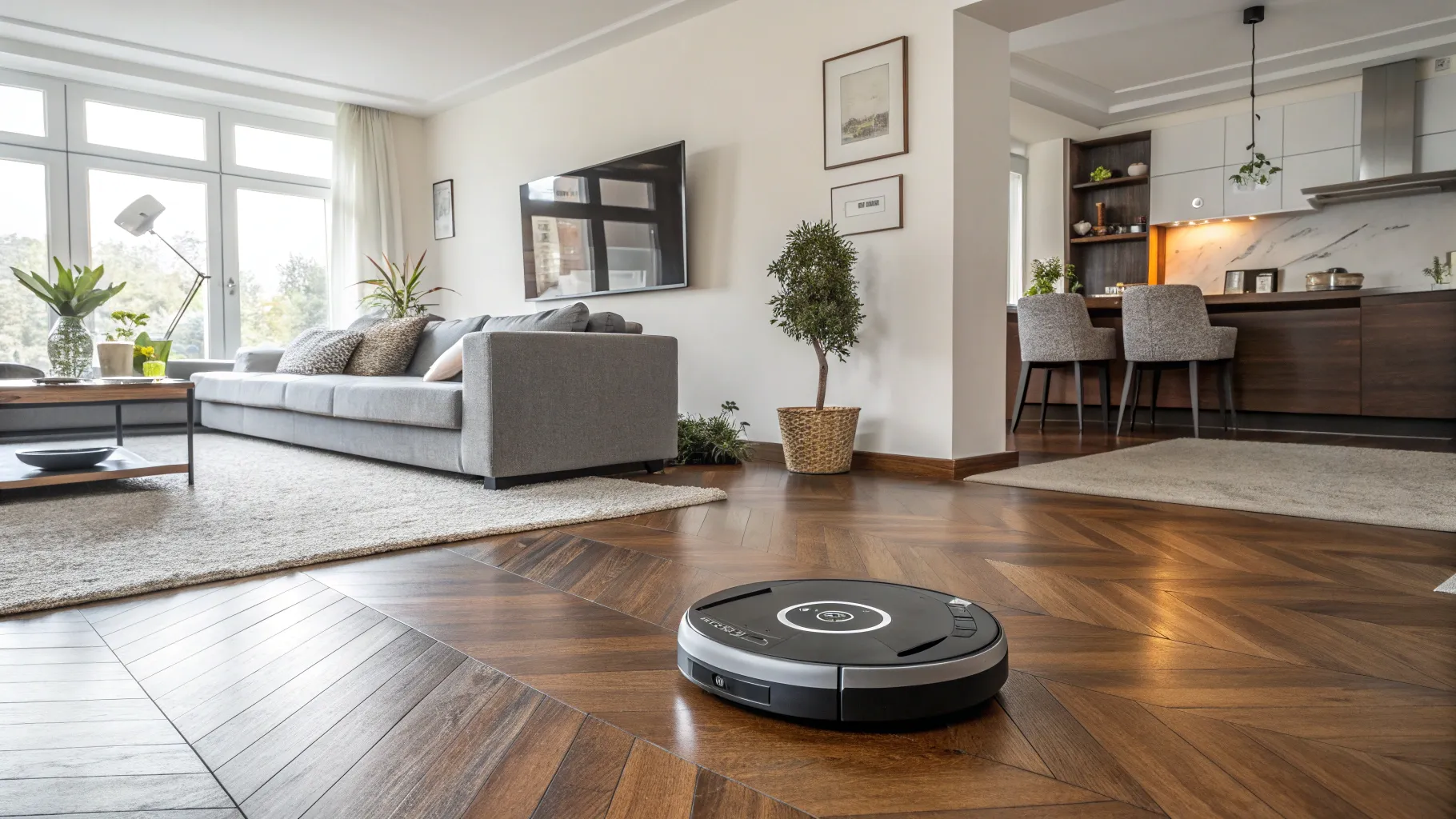
Robot Vacuum Efficiency
When it comes to robot vacuum cleaners, efficiency is paramount. You'll want a model that circulates through your home methodically rather than randomly bouncing around. Smart mapping and navigation technology are critical features in this regard. Most robot vacuums now harness advanced algorithms and sensors that help them understand the layout of your home.
For example, leading models like the Roomba s9+ utilize a sophisticated system known as Imprint Smart Mapping. This technology allows the robot to learn your home's floor plan, enabling it to create a personalized cleaning schedule that targets the messiest areas more often.
In 2025, improved sensors and AI algorithms mean that the cleaners can avoid obstacles more efficiently, leading to fewer missed spots and collisions with furniture.
Battery Life & Runtime
The runtime of a robot vacuum is crucial—especially in larger homes. Currently, most models have a runtime between 90 to 180 minutes per charge. For example, a top-rated model like the Ecovacs Deebot X1 can last up to 240 minutes on a single charge, making it viable for comprehensive cleaning sessions in spacious areas.
Battery longevity is another factor to keep in mind. Li-ion batteries are preferable as they have a longer life cycle and better performance over time compared to older battery technologies. Ensure you check the charging time, as various models may take anywhere from a couple of hours to overnight for a full charge.
Smart Mapping and Navigation
- Laser Navigation: Many of the latest robot vacuums use LIDAR technology for laser mapping, which provides an accurate layout of your home. This technology allows the vacuum to navigate more effectively, reducing the chances of missing spots.
- Visual Navigation: Some models now incorporate cameras and computer vision, allowing them to map and remember specific objects in your home, which drastically improves cleaning precision.
- Home Integration: Many of these vacuums integrate seamlessly with smart home systems. Being able to control your robot vacuum from your smartphone or through voice command via assistants like Alexa and Google Assistant offers convenience.
Smart mapping is not just a feature; it significantly enhances your vacuum's efficiency by reducing cleaning times while ensuring all areas are adequately covered.
Multi Surface Cleaning Performance
In 2025, it’s essential for a robot vacuum to effectively clean various surfaces, from hardwood floors to carpets. Most robot vacuums now have adaptive technology to adjust their suction power and cleaning pattern based on the surface type.
For instance, vacuums equipped with rubber brushes can effectively clean pet hair from carpets without tangling. Advanced models, such as the iRobot Roomba j7+, offer specialized features designed to tackle pet hair and allergens.
For hard surfaces, look for vacuums with a mopping function. Many hybrid options accurately switch between vacuuming and mopping, providing an all-in-one solution for floor cleanliness.
Pet Hair and Allergen Removal
If you have pets, investing in a robot vacuum that excels at removing hair and allergens is indispensable. Many high-end models now come equipped with high-efficiency particulate air (HEPA) filters, which significantly reduce allergens in the home.
These vacuums are designed to capture small particles that standard vacuums might miss, which is crucial for maintaining a healthy environment. The Shark IQ Robot offers exceptional pet hair removal capabilities thanks to its self-emptying base, which makes maintenance a breeze.
Noise Level and Maintenance
While cleaning, noise levels can be a concern—especially if you work from home or have small children. Most newer models operate at a quieter level, typically under 65 dB, similar to the sound of a normal conversation. This makes it feasible to run them during the day without disturbing your routine.
Maintenance is another key aspect to consider. In 2025, many robots feature self-cleaning capabilities, such as self-emptying bins. Models like the Roborock S7+ not only autonomously empty their bins but also have self-washing functionality for mopping pads. This means less fuss and a more pleasant cleaning experience overall.
Robot Vacuum Price
Prices for robot vacuums vary widely, ranging from around $200 to over $1,000. Factors influencing price include advanced features like smart navigation, suction power, battery life, and additional functions like self-cleaning.
High-end models tend to buy you exceptional cleaning efficiency and convenience, while budget models may offer more basic functionality but can still handle light cleaning tasks effectively. Ultimately, your choice should reflect your cleaning needs, lifestyle, and budget.
In summary, while robot vacuums represent a significant investment, the time and energy they save often justify the cost. By considering the factors outlined in this guide, you'll be better equipped to choose a robot vacuum that fits seamlessly into your life in 2025.
Authored by FreshLifeWire team